

Free written scope consultation - allowances, timeline, and change-order rules on paper before a single trade is scheduled
Atlas Home Additions & ADU: The Miami Owner’s Guide
If you’re holding a failed Atlas home addition or ADU part and need it matched, priced, and installed without a runaround, here’s the straight answer: we source and install Atlas-compatible home addition and ADU components throughout Miami, with most full component replacements running $53,100 – $153,400 depending on scope, materials, and structural work involved. Most homeowners discover a problem the hard way – a door that no longer seals against summer humidity, a window frame that’s pulling from the wall, or a roofline joint showing daylight where it shouldn’t. By the time you notice, the part has usually been failing quietly for months.
We’re an independent Miami contractor, not affiliated with Atlas. What we offer is something a manufacturer’s parts desk often can’t: a written price before any work starts, a real arrival window, and a 365-day promise that if our installation isn’t done right, we come back and make it right at no charge.
Which Atlas Models This Applies To
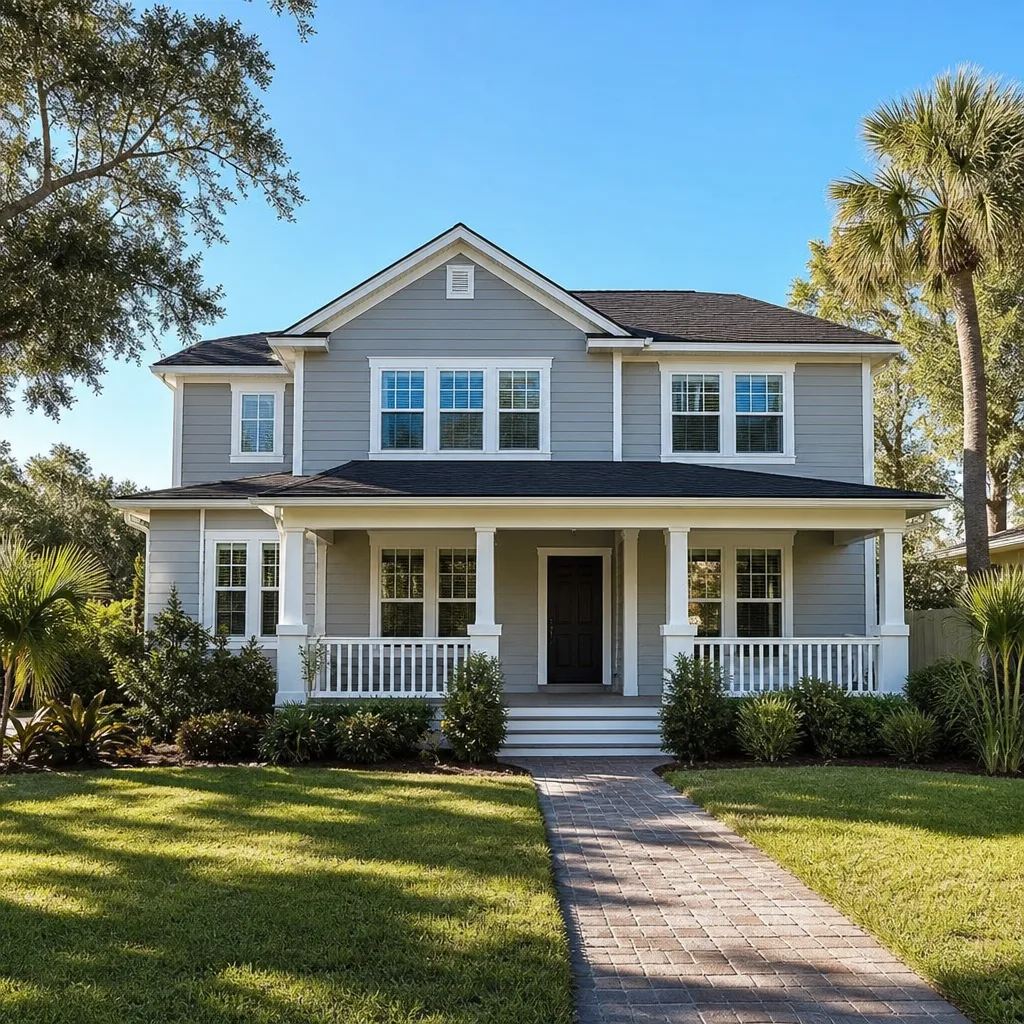
Atlas home addition and ADU systems built for South Florida fall into a few distinct series lines, and the compatibility question is the first thing we check on any service call in Miami. The most common units we see are Atlas modular wall panels, pre-engineered roof trusses, and the Atlas doorway and window frame kits that connect a new addition to the existing structure. Each series uses specific fastening patterns and load ratings, so the part number on the old component matters more than the year the addition was built.
Here’s the gotcha most homeowners don’t know: two Atlas additions built three years apart in the same Miami neighborhood can use entirely different flashing profiles. The Series 800 wall panels use a 2-3/8 inch integrated flashing channel, while the Series 900 switched to a 3-1/4 inch profile for Miami-Dade wind load requirements. If you order a Series 800 flashing kit for a Series 900 panel, it won’t seat properly and you’ll be fighting leaks from the first afternoon storm. Before we order anything, we check the stamp on the original component and measure the channel width ourselves. When an OEM Atlas part is discontinued, we work with quality aftermarket fabricators who match the original spec exactly. For fasteners and flashing, we stock common Atlas-compatible sizes on the truck. For structural components, we order to the measured spec, not the catalog guess.
Styles & brands we work with







Signs Your Atlas Home Additions & ADU Is Failing
- Visible daylight at wall-to-roof joints. When the galvanized flashing between your Atlas addition and the main structure begins to separate, you’ll see thin slivers of light from inside the attic or upper wall cavity. That means water entry is already happening, and in Miami’s storm season, water entry means rot within months.
- Doors that stick only in summer. Expansion and contraction in Florida humidity is normal, but a door that binds only in August usually means the Atlas door frame’s structural tie-in has loosened, letting the opening shift. The frame isn’t failing – the connection to the foundation is.
- Drywall hairline cracks along the addition seam. Small cracks where the addition meets the original house are common in the first year. Cracks that reopen after repair, however, point to differential settling that the Atlas foundation tie-in wasn’t able to arrest. Trevor Nash has seen this pattern often enough in Coconut Grove, where older homes sit on limestone and additions settle at a different rate than the original slab.
- Window frames pulling away from stucco or siding. Atlas ADU window kits rely on a specific nailing fin spacing. When fasteners corrode in coastal air, the fin loses grip and the window starts shifting. You’ll see a growing gap at one corner first, usually the southwest corner where afternoon sun bakes the frame.
- Soft spots in the entry threshold. If the sill plate under your Atlas addition door feels spongy underfoot, the flashing underneath has failed and the wood is rotting. In Miami, where a single summer thunderstorm can dump two inches of water against a door, a failed sill flashing shows damage faster than almost any other component.
See the difference
 Before
 After
After Before
 After
After Before
 After
AfterReplacement Cost & What’s Included
| Scope of Work | Typical Installed Range in Miami |
|---|---|
| Door or window frame tie-in replacement | $4,130 – $11,800 |
| Flashing and waterproofing system replacement | $3,540 – $10,030 |
| Structural wall panel replacement (single panel) | $8,260 – $21,240 |
| Full addition roofline and tie-in overhaul | $53,100 – $153,400 |
| Complete ADU structural and envelope replacement | $106,200 – $259,600 |
The spread depends on three things: how much structural damage happened before the part failed, whether the original Atlas component is still available or we need to fabricate a match, and what’s hiding behind the wall once we open it up. Miami homes built before 1990 often have surprises behind Atlas panels – old knob-and-tube wiring, termite damage, or previous repair work that wasn’t done to code. Our written price covers the labor and materials we quote. If we open the wall and find something the quote didn’t account for, we stop and talk to you before spending another dollar. That’s the Kingswell standard: give you a number first, then pick up the tools. Every installation carries our 365-Day Done Right Promise in writing, alongside whatever manufacturer warranty applies to the replacement part.
DIY or Call Us?
You can check a few things without touching a tool: look for visible daylight at the seams, run your hand along window frames to feel for gaps, and note whether doors bind seasonally. That’s useful information to share when you call. What you shouldn’t do is remove any structural component from an Atlas addition or ADU yourself. Wall panels, roof tie-ins, and door frames are load-bearing by design. Removing a panel without shoring the opening can cause a partial collapse, and cutting into a panel without knowing what’s behind it has put more than one Miami homeowner face-to-face with a live electrical run. The same caution applies to any component under tension – truss connections and hurricane strapping are the two big ones. If your Atlas part is twisted, cracked, or moving, leave it alone and call us at (850) 988-7559. We’ll send a technician who knows exactly which fasteners hold what, and we’ll hand you a written price before anything gets touched.
FAQs

Most Atlas structural components are engineered for a 25-to-40-year service life, but South Florida weather shortens that for exposed parts. Flashing and sealants typically fail at the 8-to-12-year mark in Miami’s sun and salt air, while structural panels and trusses often last decades unless water has been getting in. If your addition is over 10 years old and you’ve never had the flashing inspected, it’s worth doing before the next hurricane season. Call (850) 988-7559 and we’ll take a look.
Sometimes yes, sometimes no. Bent flashing can often be reseated and resealed. A cracked truss plate or separated wall panel cannot be safely repaired – those get replaced. The honest answer depends on which part failed and how long it’s been letting water in. We’ll tell you what we find and quote the repair and replacement side by side so you can decide.
A flashing or door frame replacement is usually a one-day job from our crew’s perspective. A structural panel replacement runs two to three days when you include shoring, demolition, and proper tie-in work. A full addition or ADU envelope overhaul can take two to six weeks depending on scope and permit timing. We’ll give you a written timeline with the written price, and we hold to the arrival window we set.
We stock common Atlas-compatible fasteners, flashing profiles, and sealants on our trucks, so a straightforward flashing repair can usually be completed the same day we diagnose it. For model-specific structural components, we order to your unit’s measured spec, which takes three to ten days depending on the fabricator. If you also have KraftMaid cabinetry, Cambria countertops, or Silestone surfaces in the same addition, we can assess those areas while we’re on site at no extra charge. Call (850) 988-7559 for a precise answer on your specific part.
Written by Trevor Nash, Owner, Penhallow Remodeling Miami at Penhallow Remodeling Miami, serving Miami and nearby areas.


