



Free written scope consultation - allowances, timeline, and change-order rules on paper before a single trade is scheduled
Quikrete Home Additions & ADU: The Miami Owner’s Guide
Quikrete home additions and ADU projects in Miami typically run $53,100 – $153,400 installed, depending on square footage, foundation work, and whether we’re tying into existing plumbing and electrical. Most homeowners call us after a failed slab pour or a stem-wall crack has already compromised the structure, and we can usually assess the damage and provide a written price within a few days of the first call. What we see most often in Miami: moisture wicking through improperly cured Quikrete mixes, surface spalling on slabs poured during a hot afternoon, and stress cracks where an addition meets the original foundation. Call (850) 988-7559 and we’ll come out, look at what failed, and tell you straight what it costs to fix or rebuild it right.
Which Quikrete Models This Applies To
Quikrete makes a broad line of concrete and mortar products, and for home additions and ADUs in Miami we work primarily with their 5000 PSI high-strength mix, Crack-Resistant Concrete Mix, and their Quikwall surface bonding cement for above-grade walls. The compatibility question that trips up most homeowners isn’t about a model number – it’s about compressive strength measured in PSI. A slab that will carry a small ADU kitchen and bath needs a different mix than a patio slab. Quikrete’s standard 4000 PSI mix handles most non-structural pours, but once you’re adding a second story or a tiled bath above grade, we spec 5000 PSI and often reinforce with fiber or steel. The other gotcha: Quikwall is a surface bonding cement meant for dry-stacked block, not a structural mortar. We’ve torn out more than one DIY wall in Coconut Grove where someone used Quikwall as if it were Type S mortar between courses. It isn’t, and the wall fails at the joints within a season or two. When you open the bag, look for the mix number printed near the top seam – it tells us exactly what was poured, and knowing that tells us whether the failure was a product mismatch or a bad pour.
Styles & brands we work with







Signs Your Quikrete Home Additions & ADU Is Failing
- Hairline cracks that widen at the corners of door and window openings. This is usually differential settlement between the new slab and the original foundation, and in Miami’s sandy, shifting soil it’s the most common failure we see on additions. The crack pattern tells us whether it’s cosmetic or structural.
- Efflorescence – that chalky white powder bleeding through painted or sealed concrete. Moisture is moving through the slab, carrying salts to the surface. In Miami’s humidity, this happens fast when a vapor barrier was skipped or the mix was over-watered during the pour.
- Spalling or flaking surfaces, especially on south-facing walls or drive pads. A too-wet mix poured in direct sun will lose its surface strength within a couple of years. The top layer flakes off in sheets, and what’s left underneath is soft and porous.
- A musty, damp smell inside the addition that never goes away. That’s water migrating up through the slab, usually because no moisture barrier went down before the pour. In a Miami ADU with a bed or couch on the floor, you’ll notice it within weeks.
- Doors and windows that stick or won’t latch in the new addition. The slab has shifted enough to change the rough opening geometry. That’s not a hinge problem; it’s a foundation problem, and it’ll keep getting worse in Miami’s wet-dry soil cycles.
See the difference
 Before
 After
After Before
 After
After Before
 After
AfterReplacement Cost & What’s Included
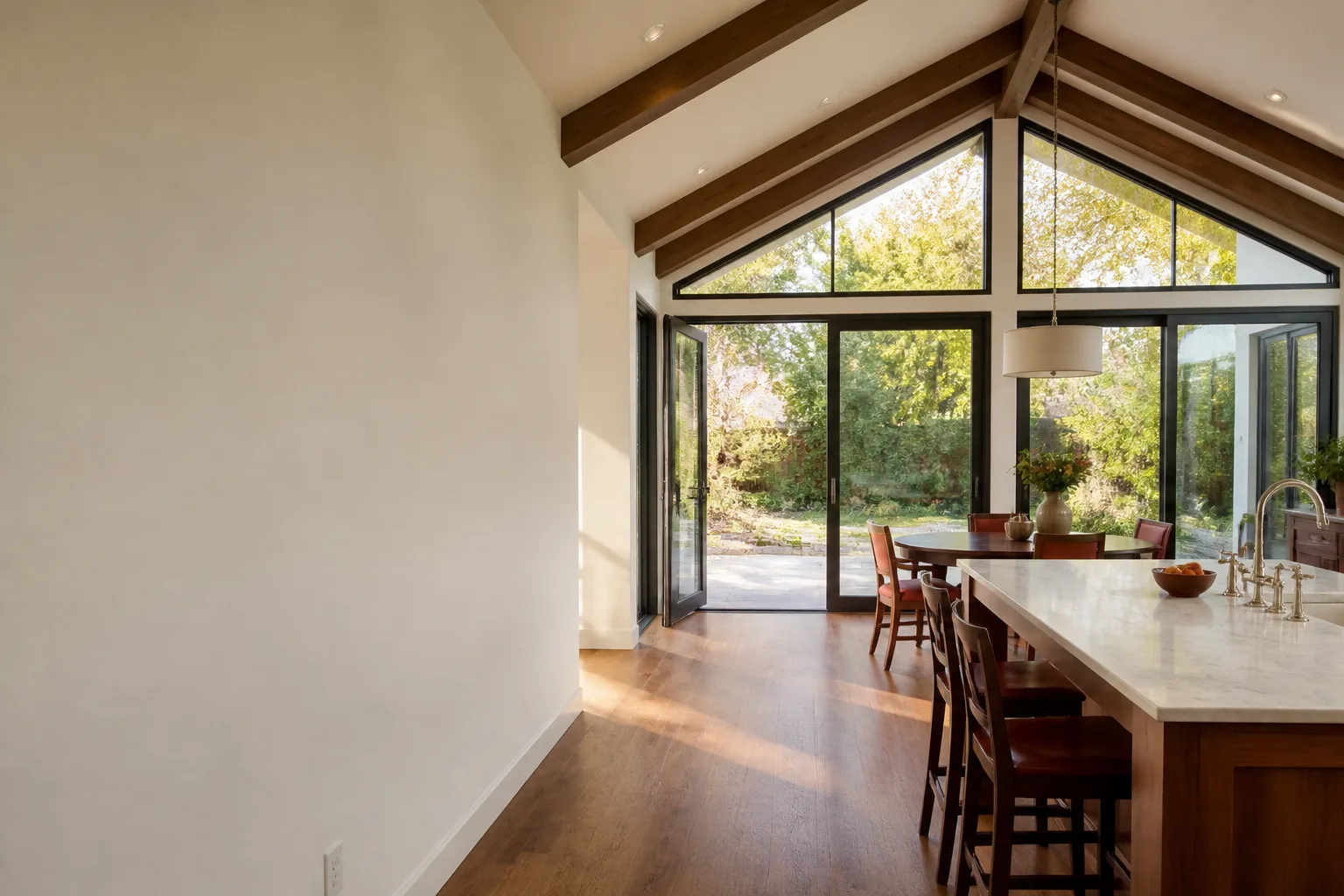
A full Quikrete home addition or ADU in Miami lands between $53,100 and $153,400. That’s the realistic range for a permitted, code-inspected addition, and here’s what drives the number: square footage is the biggest lever, then foundation type (a block stem wall costs more than a monolithic slab), then plumbing and electric rough-ins. A 400-square-foot ADU with a small bath and kitchenette sits near the bottom of that range. A 900-square-foot addition with a full bath, tied into the main sewer line and panel, pushes toward the top. Every price we give includes the demo of failed concrete, haul-off, new Quikrete or comparable mix, rebar and formwork, vapor barrier, and the finish work to bring it back to code. We hand you a written number before work starts – not a range, a number – and that number is the one on the invoice, backed by our 365-Day Done Right Promise.
DIY or Call Us?
If you’re comfortable with a trowel, you can patch minor spalling with a Quikrete resurfacer and see whether it holds through a Miami wet season. That’s a reasonable weekend project. But if you’re looking at cracks wider than a quarter-inch, a slab that’s settled more than an inch, or any wall crack that runs diagonally from a corner, stop. Concrete work on an occupied addition is structural, and in Miami’s soil – which is sand over limestone, with a high water table in half the county – a misdiagnosed foundation problem becomes a six-figure rebuild. We’ve seen homeowners pour new concrete over a failing slab and watch it crack again in eight months because nobody addressed the water moving underneath. Before you pick up a mixer, have someone who does this every day tell you what you’re actually dealing with. Give you a number first, then pick up the tools. Call (850) 988-7559 and we’ll come out, no charge for the estimate, and tell you whether it’s a patch or a re-pour.
FAQs
A properly poured slab on stable, prepared ground with a vapor barrier should last 30 to 50 years in Miami, but the first 28 days of curing matter more than anything else that happens after. If you’re asking this about a slab that failed early, the cause is almost always a too-wet mix, a skipped moisture barrier, or soil that wasn’t compacted. Call (850) 988-7559 and we’ll tell you whether yours can be saved or needs to come out.
Yes, in many cases a cracked slab can be repaired with epoxy injection or polyurethane foam, and the fix costs a fraction of a full re-pour. But that’s only true when the soil underneath is stable. In Miami, where we get dramatic wet-dry cycles, we test the soil before we recommend a repair – otherwise you’ll pay for a fix that fails in two seasons. We’ll give you a straight answer either way, with a written price for whatever we recommend.
A full ADU or addition with new slab, framing, rough-ins, and finishes typically takes 10 to 16 weeks from demo to final inspection in Miami, assuming permits go through without delays. Small slab replacements within an existing structure run faster, around 2 to 3 weeks. When we hand you the written estimate, we give you a start window and a completion window, and we hold ourselves to both.
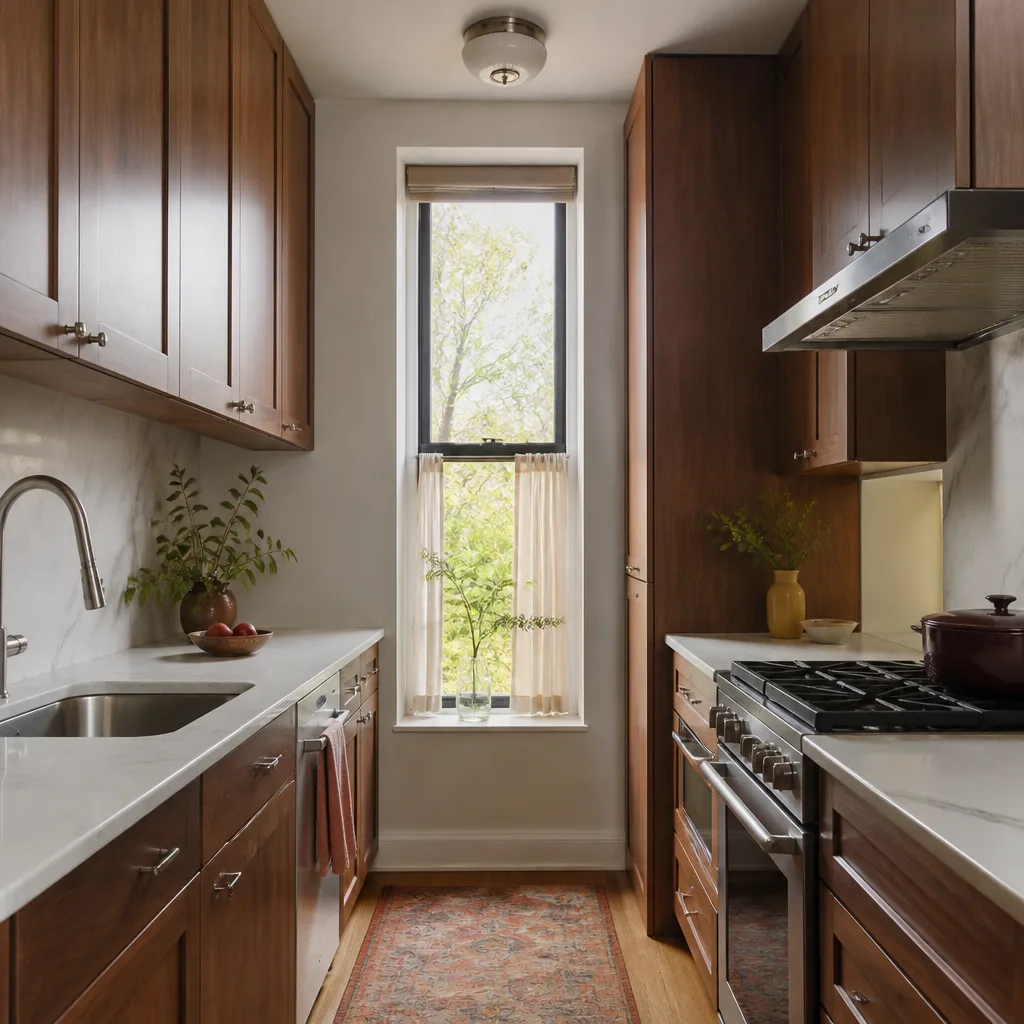
Yes, our crews carry Quikrete 5000 PSI mix, Crack-Resistant Concrete Mix, and Quikwall on the truck for the tile and stone work, along with comparable products from other brands like KraftMaid, Cambria, and Silestone for the finished surfaces inside your addition. Trevor Nash has been working with these materials for years, and he specs them by mix number, not by marketing name. If you’re not sure what was poured the first time, bring us a photo of the bag or the slab, and we’ll match it.
Written by Trevor Nash, Owner, Penhallow Remodeling Miami at Penhallow Remodeling Miami, serving Miami and nearby areas.


