


Free written scope consultation - allowances, timeline, and change-order rules on paper before a single trade is scheduled
Tuff Shed Home Additions & ADU: The Miami Owner’s Guide
If you’re planning to build off a Tuff Shed shell or convert an existing one into living space in Miami, a home addition or ADU project typically runs $53,100 – $153,400 depending on square footage, foundation work, and finish level. We handle Tuff Shed-to-living-space conversions and ground-up additions alongside Tuff Shed structures, and we’re the ones who’ll tell you the real number before any tools come out. Most Miami owners come to us because their Tuff Shed is either a bare shell they want livable, or a partially finished space that’s failing in the Florida heat and humidity.
We’re an independent contractor in Miami, not affiliated with Tuff Shed. What that means for you is we can be straight about what works, what doesn’t, and what it costs to make a steel-framed or wood-framed shed structure actually function as conditioned living space. Trevor Nash and our crew have been through enough of these to know where they leak, where they sweat, and where the inspector will push back.
Which Tuff Shed Models This Applies To
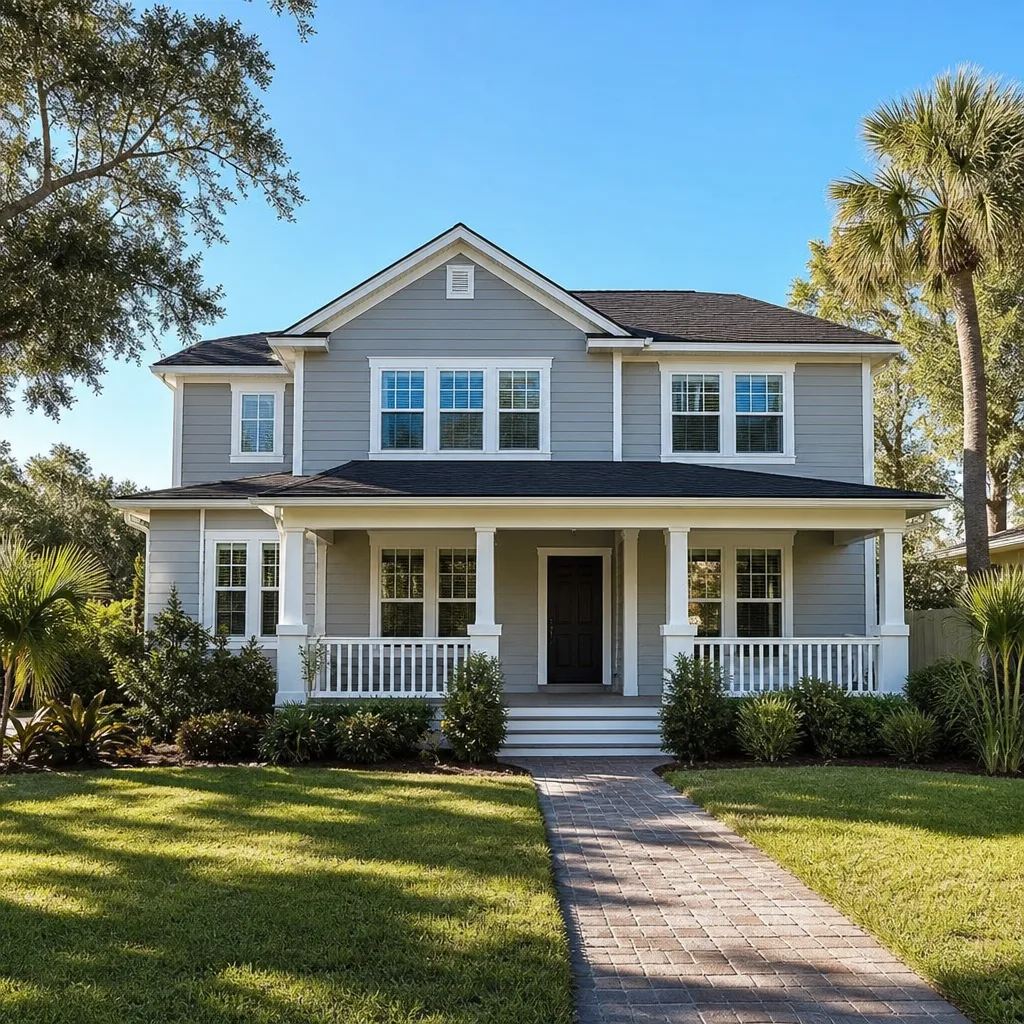
Tuff Shed doesn’t sell “home additions” as a finished product. What Miami homeowners actually have is a Tuff Shed building, most commonly a Premier Pro Tall barn, a Premier Ranch, or a custom-width Pro Series structure, that they want converted or expanded into habitable space. The compatibility question isn’t about a part number. It’s about three things: foundation type, framing material, and roof pitch.
Here’s the gotcha most people miss: Tuff Shed’s standard floor systems are rated for storage loads, not residential occupancy. A 2×4 floor joist on 24-inch centers will bounce under a kitchen, a bathroom, or a bed. City of Miami and Miami-Dade County building codes require residential floor systems to meet live-load standards, which usually means adding joists, blocking, or a new floor entirely. The same goes for wall insulation: the thin reflective wrap Tuff Shed installs won’t pass an energy code or a blower door test. Expect to strip interior sheathing and reframe for real R-value.
If you can find the Tuff Shed build sheet (they staple it inside the door frame on most models), that tells us the siding gauge, the roof pitch, and the floor kit spec. If you can’t, we measure on site. We don’t recommend trying to match Tuff Shed’s OEM trims and flashings to a living-space conversion. By the time we’re done roughing in electrical and plumbing, most of that material gets replaced anyway.
Styles & brands we work with







Signs Your Tuff Shed Home Addition or ADU Is Failing
- Condensation on the underside of the roof steel or wall panels. This happens when warm, humid Miami air meets the uninsulated metal skin. It’s not a leak; it’s a dew point problem. Left alone, it rots framing and grows mold inside the wall cavity.
- Floor bounce or sag near door thresholds. A storage-rated floor reacting to daily foot traffic. You’re feeling the joists deflect past design limits, which eventually loosens the door framing and cracks finished flooring.
- Electric outlets or fixtures that trip breakers in rain. Water is finding a path into a junction box, usually through a poorly flashed roof penetration or a sidewall seam. This is a fire hazard, not a nuisance.
- Doors that stick in summer and swing loose in winter. The frame is moving. Tuff Shed frames are built tight from the factory, but Miami’s heat-rain cycle swells unsealed wood and shifts anchor points.
- Faint mildew smell that never goes away. There’s moisture trapped behind the interior finish. By the time you smell it, the cavity is already colonized.
All of these are fixable. None of them fixes itself. The sooner we open the wall or pull the floor section, the smaller the repair stays. We’ve done enough Coconut Grove Tuff Shed conversions to know the biggest bills always start with a small, ignored symptom.
See the difference
 Before
 After
After Before
 After
After Before
 After
AfterReplacement Cost & What’s Included
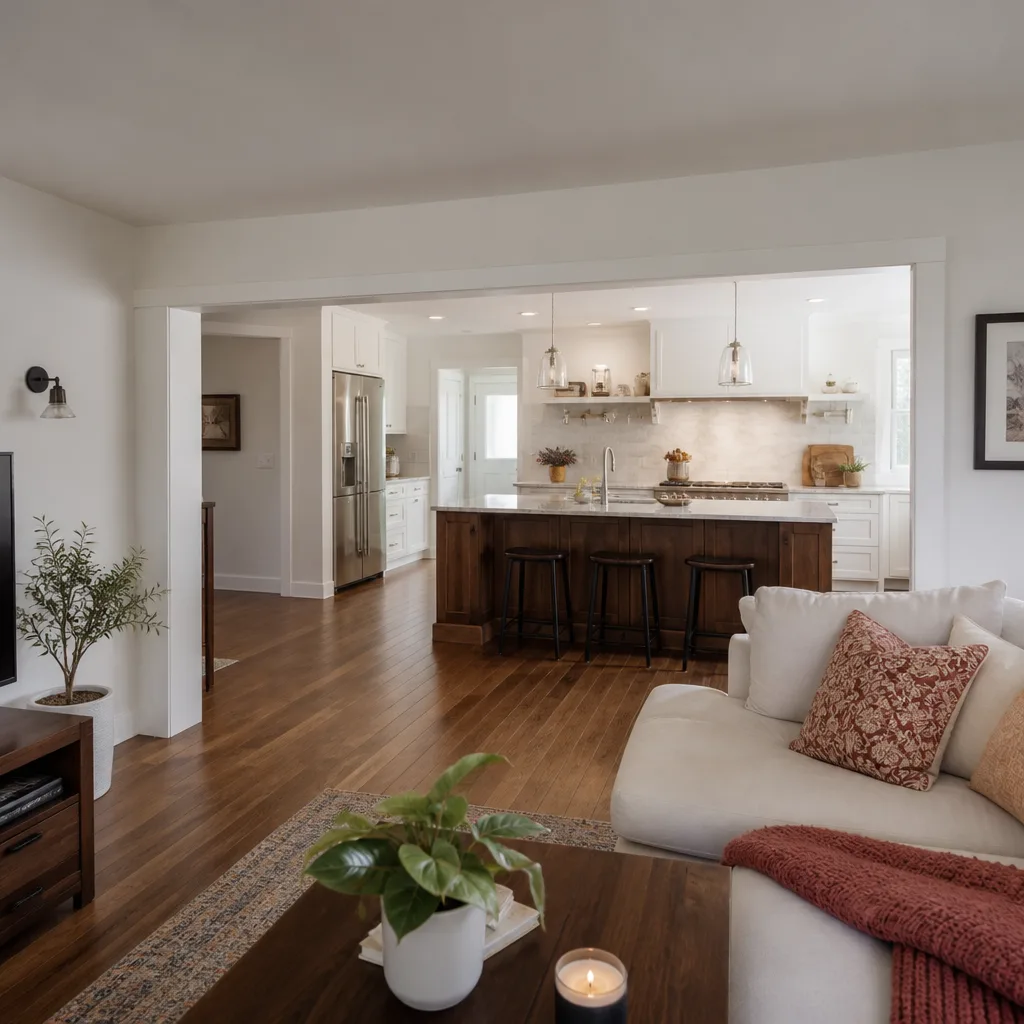
A Tuff Shed home addition or ADU conversion in Miami typically runs $53,100 – $153,400. That’s a wide range because the spread between “finish the interior of an existing 12×16 shell” and “pour a new foundation and add a conditioned 20×24 living wing” is enormous. Here’s what moves the number:
- Foundation work: A slab-on-grade addition with proper footings starts around $12,000 – $20,000 in Miami, more if we’re on fill or need elevated foundations in a flood zone.
- Framing and structural upgrades: Beefing a Tuff Shed floor and walls to residential code typically adds $8,000 – $18,000 depending on the existing shell.
- Mechanical, electrical, plumbing: Rough-in and finish work for a small ADU runs $25,000 – $60,000. This is where most budget surprises live, especially if the existing structure wasn’t planned for plumbing.
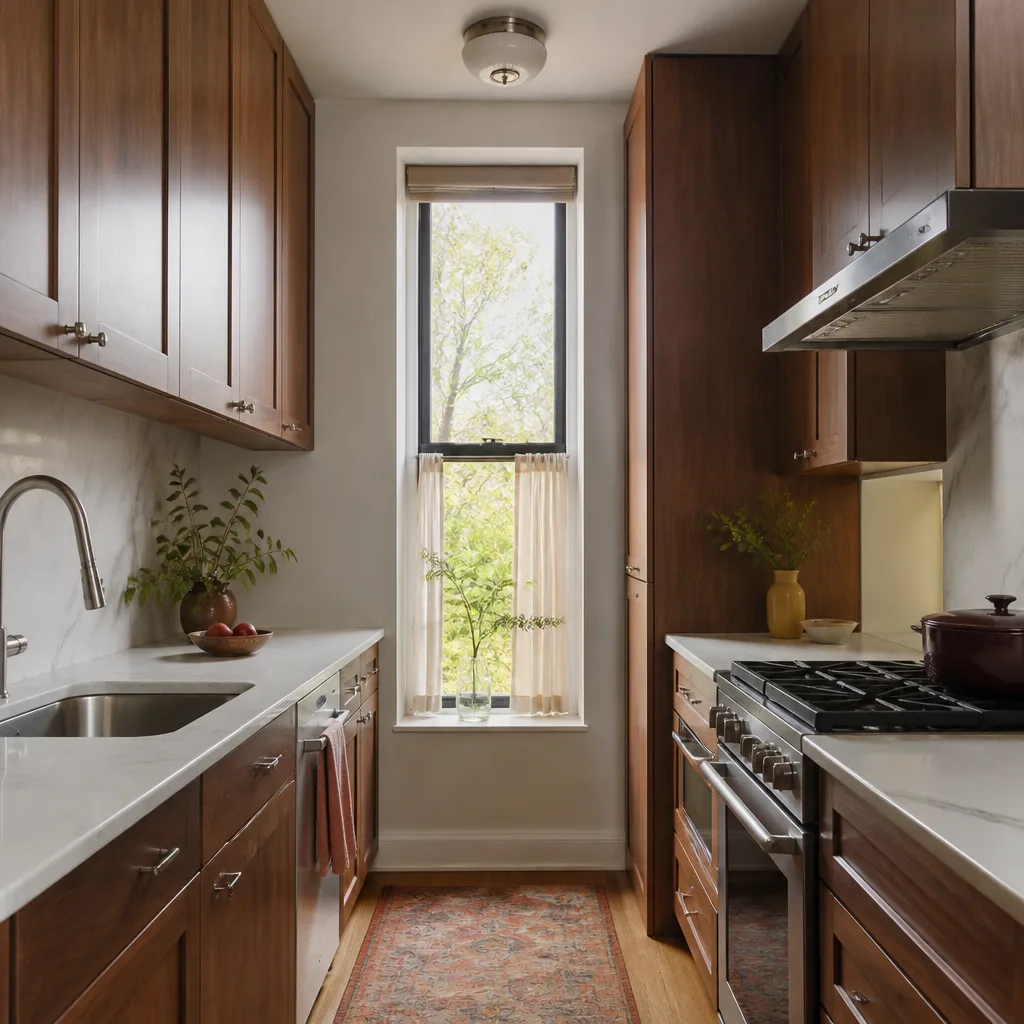
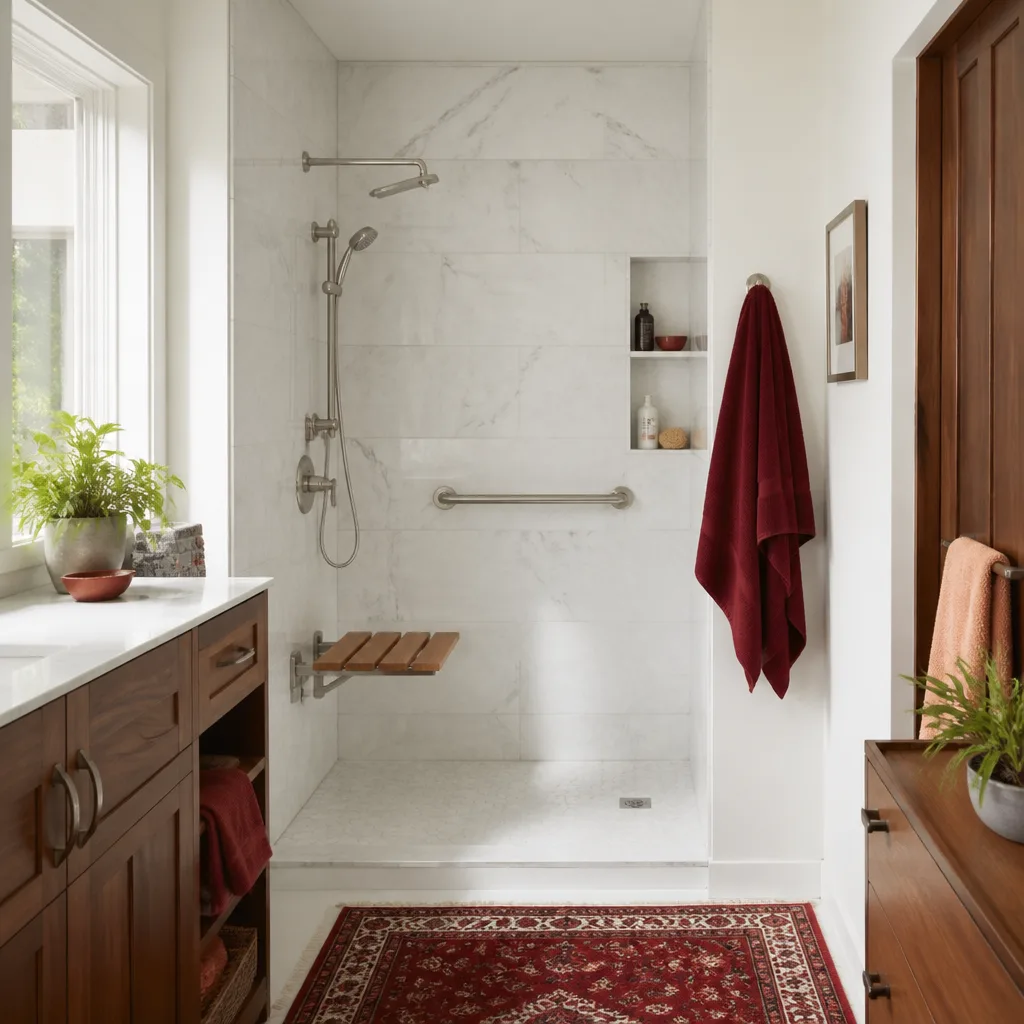
- Finishes and fixtures: We price kitchens and baths using the same ranges as our standalone remodels: a small kitchen at $10,620 – $23,600, a small bathroom at $5,900 – $14,160. Materials come from the same trade brands we stand behind, like KraftMaid cabinetry, Cambria or Silestone countertops, and Kohler or Moen fixtures.
Every quote is a written line-item price before work starts. No allowances, no change orders hiding in the fine print. Permit fees, inspections, and dumpster pulls are shown as their own lines so you see exactly where the money goes. And every project carries our 365-Day Done Right Promise: if something fails inside a year, we come back and fix it at no charge. That’s written into the contract.
DIY or Call Us?
Some parts of this work are safe for a homeowner. Sweeping out the shell, planning layout, priming and painting finished drywall, even installing simple trim, those are all fair game. What isn’t fair game is structural modification. Cutting into a Tuff Shed’s load-bearing wall, jacking the floor system, running new electrical, or moving a door opening without a permit will fail inspection and can hurt someone. Miami-Dade code enforcement is thorough, and unpermitted ADU conversions get flagged when you sell, insure, or refinance.
If you’re not sure whether something is load-bearing or just in the way, call us at (850) 988-7559 before you cut. A five-minute conversation beats a five-thousand-dollar framing repair. Give you a number first, then pick up the tools, that’s the way Trevor Nash runs every job in Miami.
FAQs

A properly converted Tuff Shed, with real insulation, residential-grade framing, and sealed penetrations, will last 30 to 50 years in Miami’s climate. The steel skin and roof panels age fine; what fails early is the unprotected wood framing and the unsealed seams. The original Tuff Shed floor and wall wrap materials are the weak points, not the shell itself.
Usually yes. We repair more Tuff Shed conversions than we rebuild, especially when the issue is moisture intrusion, floor deflection, or electrical problems. The structural skeleton Tuff Shed ships is solid for what it is. What needs replacing is most often the insulation, the interior sheathing, and the floor upgrades that bring a storage building up to residential code.
A straightforward interior conversion of an existing shell takes 8 to 14 weeks from permit to final inspection in Miami. A ground-up addition or full ADU build runs 16 to 30 weeks. The permitting window is the variable we can’t control; Miami-Dade plan review alone can take 4 to 10 weeks for ADU work. What we can control is showing up in the arrival window we gave you and keeping the jobsite clean.
We order per job. Every addition and ADU is sized and spec’d differently, so we don’t warehouse framing packs or insulation batts in a yard. What we do carry on the truck for service calls are joist hangers, hurricane straps, sill seal, flashing, and the common structural connectors Miami inspectors look for. Sheet goods, fasteners, and trims get ordered once your plans are approved.
Call (850) 988-7559 for a written estimate on your Tuff Shed home addition or ADU conversion. We’ll walk the structure, tell you what’s salvageable, what needs to go, and what the real number is. In writing, before any work starts.
Written by Trevor Nash, Owner, Penhallow Remodeling Miami at Penhallow Remodeling Miami, serving Miami and nearby areas.


