
Free written scope consultation - allowances, timeline, and change-order rules on paper before a single trade is scheduled
Caesarstone Home Additions & ADU: The Miami Owner’s Guide
If you’re planning a home addition or ADU in Miami and want Caesarstone surfaces in it, the installed cost typically runs $53,100 to $153,400 depending on square footage, ceiling height, foundation work, and how much countertop you’re putting in. We stock Caesarstone slabs at our Miami shop and can have your addition or ADU measured, quoted, and scheduled without a five-week wait. Most Miami homeowners find out the hard way that their existing contractor doesn’t actually carry Caesarstone, or they discover mid-project that their slab was special-ordered from a distributor in Fort Lauderdale and now the timeline is blown. That’s the conversation we have ten times a month.
Here’s the reality in Miami: home additions and ADUs are governed by Miami-Dade County building code, which has stricter wind-load requirements than almost anywhere else in the country. Your Caesarstone counters, island, and vanity tops all sit inside a structure that has to meet HVHZ (High-Velocity Hurricane Zone) standards. That affects everything from how we anchor the walls to how we flash the roofline. We pull permits on every addition and ADU we build, and we don’t start the Caesarstone templating until the structure is dried in and the cabinet bases are set. That sequencing keeps your slab from cracking six months after move-in. Give you a number first, then pick up the tools.
Which Caesarstone Models This Applies To
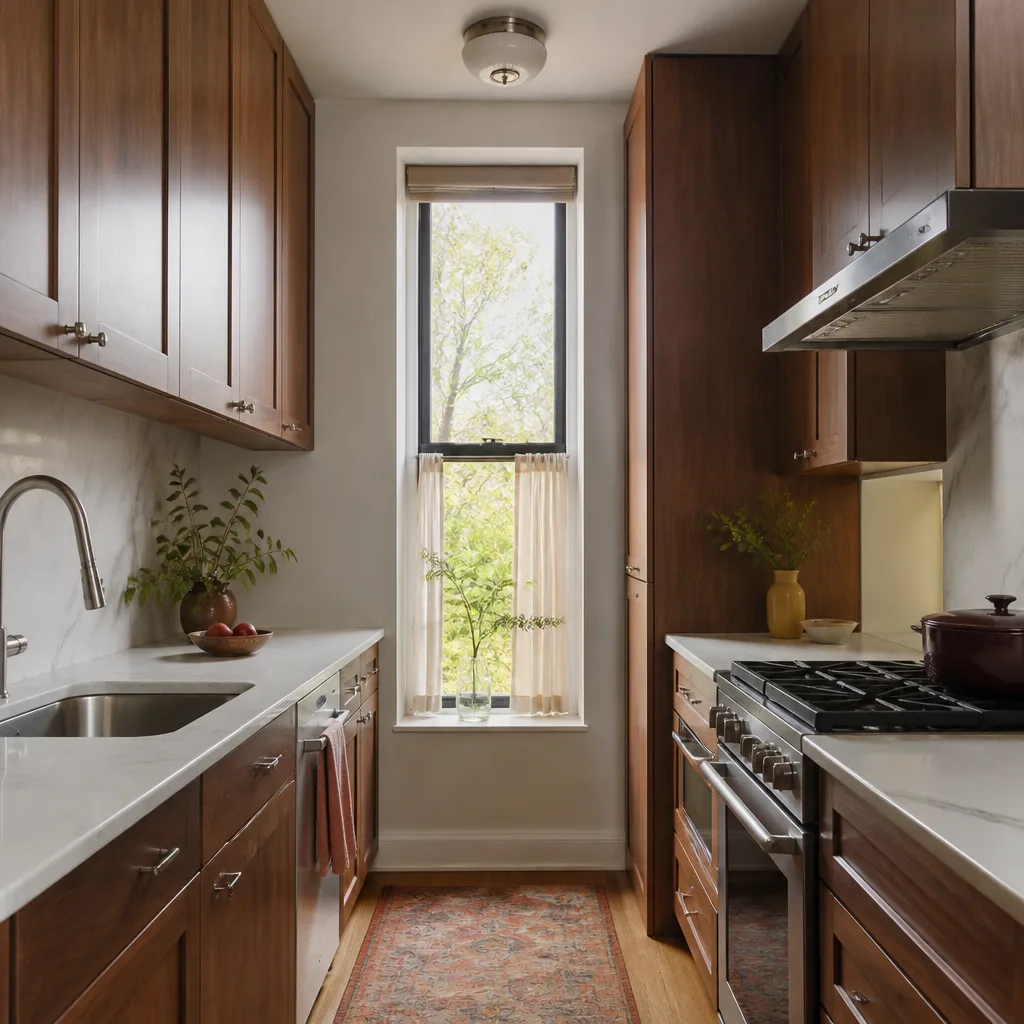
Caesarstone’s lineup breaks into a few families: the Classic and Supernatural series (the most common in Miami kitchens), the Whitelight collection, and the Outdoor collection, which is the one you want if your ADU has an outdoor kitchen or bar. The Outdoor series carries a UV-stable resin formula, so a slab that faces direct sun in a Coconut Grove backyard won’t yellow the way an indoor slab will. That’s a specific compatibility gotcha we see all the time: a homeowner loves the look of a Supernatural slab, buys it for an outdoor ADU kitchen, and six months later the sun has done its work.
Identifying the right product is straightforward. Every Caesarstone slab ships with a label on the edge carrying the color name, thickness (typically 2 cm or 3 cm), and production batch. The thickness matters more than most people realize: a 3 cm slab can span an island overhang with minimal support, while a 2 cm slab usually needs a laminated edge or a substrate underneath. We template every addition and ADU counter in place using a laser system, so the slab matches the actual cabinet footprint, not the cabinet drawing. We are an independent service provider in Miami, not affiliated with Caesarstone, but we fabricate and install their product daily alongside Cambria and Silestone for homeowners who want to compare quartz options before committing.
Styles & brands we work with







Signs Your Caesarstone Home Additions & ADU Is Failing
- Cracking at inside corners of the countertop. This is the most common failure we see in Miami additions and ADUs. Inside-corner cracks almost always trace back to the cabinet base shifting, the slab being installed on an uneven substrate, or the templating happening before the structure had fully settled. A hairline crack at a corner is rarely a slab defect; it’s usually a support problem.
- Separation between the Caesarstone slab and the backsplash. Miami humidity causes wood cabinets to swell and contract through the year. If your counter and backsplash were installed on a tight schedule with no room for that movement, the seam opens up. You’ll see a dark hairline gap that widens in summer and tightens in winter.
- Chip-out along the sink or cooktop cutout. A chipped edge near a cutout usually means the fabricator rushed the cut or the cutout radius was too tight. Caesarstone is dense, but a bad cut creates a weak point that grows.
- Island overhang flexing when you lean on it. If your Caesarstone island top moves or bounces under weight, the overhang wasn’t properly supported. For a 3 cm slab, Caesarstone’s specs call for support brackets or corbels beyond a 12-inch overhang. Skip that and the slab eventually fails at the support line.
- Dull, etched, or cloudy surface that won’t clean up. Quartz doesn’t etch the way marble does, but harsh cleaners or abrasives can damage the resin binder. On Miami ADU outdoor counters, we see this with chlorine or acidic fruit left to sit. The surface looks foggy no matter what you do.
See the difference
 Before
 After
After Before
 After
After Before
 After
AfterReplacement Cost & What’s Included
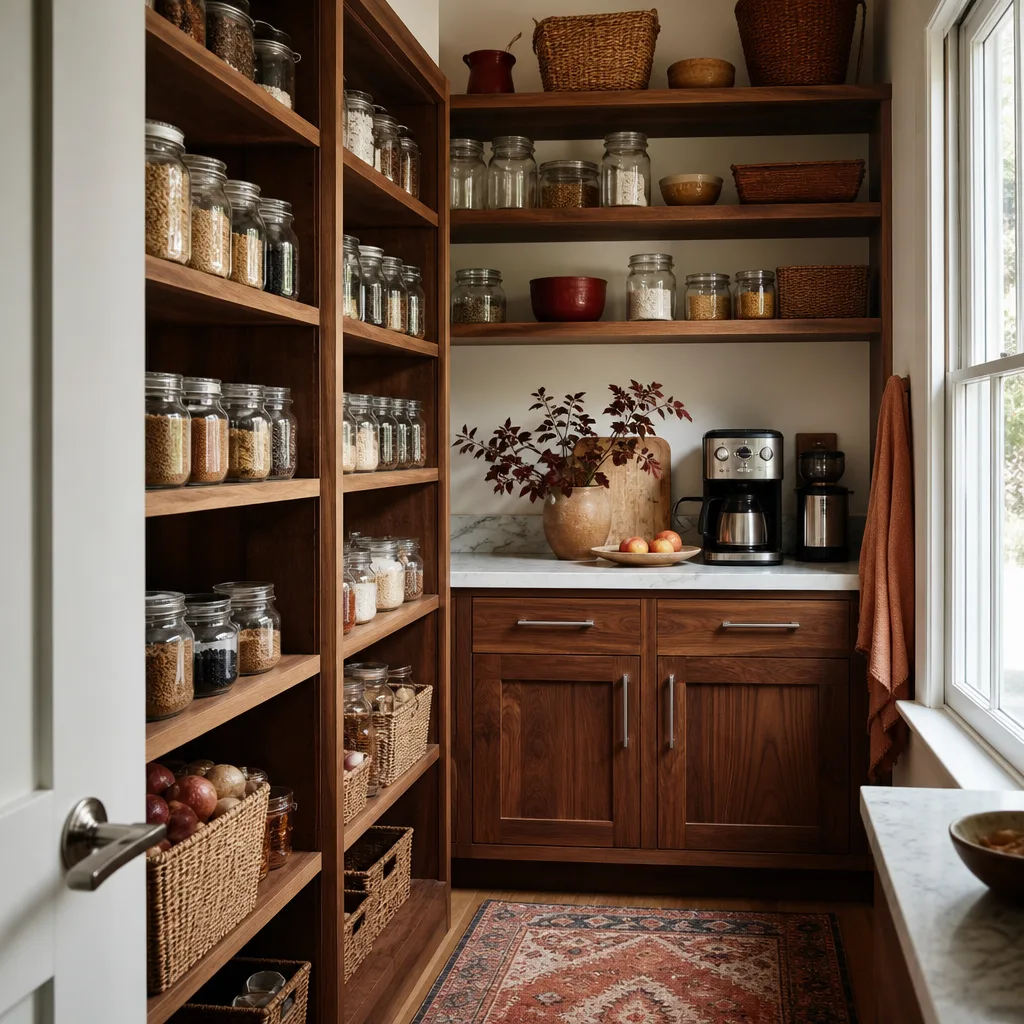
For a Miami home addition or ADU where Caesarstone is being installed fresh, you’re looking at $53,100 to $153,400 for the full project. That range covers everything from permitting and foundation through framing, electrical, plumbing, drywall, flooring, and the Caesarstone counter fabrication and install. If the question is specifically about replacing or repairing a failed Caesarstone surface inside an existing addition, the countertop-only work lands between $2,360 and $7,670 installed, depending on square footage, slab thickness, edge profile, and whether we’re pulling the old slab and resetting the cabinets.
What drives the number up or down on the bigger job? Access to the site, for one. A detached ADU behind a Coral Gables home with a narrow side yard costs more to build because every sheet of plywood and every slab has to be moved by hand. Engineering matters too: if you’re over 650 square feet or adding a second level, the wind-load engineering and foundation work tick up. We put the price in writing before any work starts, and that number is the number on the invoice. Every project carries our 365-Day Done Right Promise: if a Caesarstone seam separates, a slab cracks at a corner we cut, or any part of the work fails inside that window, we come back and fix it at no charge. We’ll give you the full line-item breakdown, not a single mystery number.
DIY or Call Us?
A homeowner can safely check a few things: look at the slab edge label to confirm the color name and thickness, check for visible gaps between the Caesarstone and the backsplash, and test the island overhang for flex. What you shouldn’t do is try to repair a cracked slab with an epoxy kit from the hardware store. Quartz is about 90% stone and 10% resin; a visible crack means the slab has a structural failure, not a surface scuff. You can’t glue a structural failure back together. The same goes for chipped edges near a cutout: a DIY repair will darken and fail again, usually worse the second time.
If the failure is tied to the structure – shifting cabinets, a settling foundation, or a support problem – that’s not a Caesarstone repair at all. That’s a remodel problem. We’ve had jobs in Coconut Grove where the counter was the symptom and the real issue was a beam that had been notched ten years earlier by someone who shouldn’t have touched it. Our team does the structural work and the Caesarstone fabrication under one roof, so there’s no argument about whose fault the crack is. Call (850) 988-7559 and we’ll come out, look at the actual floor and structure, and give you a written answer with a price.
FAQs
Caesarstone is a manufactured quartz product with a lifespan that runs 25-plus years indoors when properly installed and maintained, though that assumes the substrate doesn’t shift and the overhangs are correctly supported. In Miami specifically, outdoor Caesarstone in direct sun carries a shorter useful cosmetic life, so if your ADU includes an outdoor kitchen, we recommend the Outdoor series and we’ll tell you if you’re about to pay premium money for an indoor slab that won’t hold up.
Small chips can sometimes be ground and filled by a skilled fabricator and you’ll see a faint repair line afterward, but a crack that runs from a cutout corner to the edge is a structural failure that should almost always be slab-replaced rather than patched. The underlying cause, usually cabinet movement, has to be corrected first or the new slab cracks in the same place. Call (850) 988-7559 for an honest assessment, and bring us pictures if you can.
A countertop-only replacement typically takes one day to template, five to seven days for fabrication, and one day to install and seam. If the structure or cabinet bases need correction first, that adds schedule time: we’ll give you the full timeline with your written estimate so you’re not wondering when the crew shows up.
We keep a running inventory of the most common Caesarstone colors in our Miami shop, which means many slabs can be looked at in person before you commit. If your color is outside what we stock, we’ll order it and give you a straight answer on lead time before you sign anything. Prices are fixed by your written quote regardless of whether the slab comes from our inventory or a supplier run.
If your Caesarstone surface in your Miami addition or ADU has failed, or you’re planning the whole project and want the counters done right the first time, call Penhallow Remodeling Miami at (850) 988-7559. We’ll schedule a free estimate, hand you a written price, and stand behind the work for a full year after the last slab is set.
Written by Trevor Nash, Owner, Penhallow Remodeling Miami at Penhallow Remodeling Miami, serving Miami and nearby areas.


