
Free written scope consultation - allowances, timeline, and change-order rules on paper before a single trade is scheduled
Cambria Driveway & Pavers: The Miami Owner’s Guide
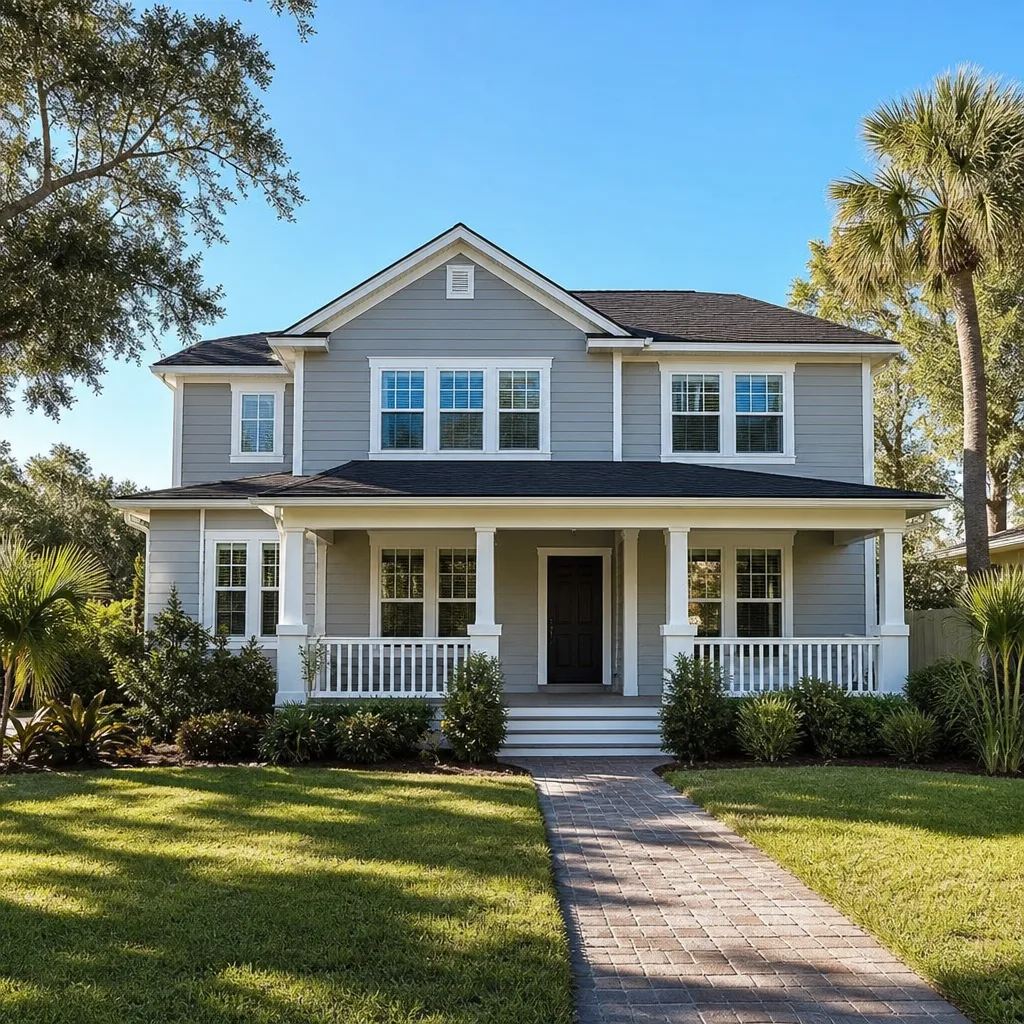
We stock and install Cambria-compatible driveway and paver systems throughout Miami, with a typical installed paver driveway running $8,260 to $21,240 depending on square footage and site prep. Most Miami homeowners discover their driveway has failed the hard way: a paver sinks after a heavy summer storm, water pools where it never pooled before, or the edge row starts separating from the house slab. When that happens, you need a straight answer on what it costs to fix, and that’s exactly what this page is.
Here’s the thing most people don’t realize until they’re standing in their own driveway: the pavers themselves rarely fail. The substrate underneath them does. Miami’s combination of limestone shelf, torrential afternoon rain, and high water table means the base layer takes a beating that pavers in, say, central Florida never see. We’ll walk you through what actually goes wrong, what it costs to make right, and when you should call us at (850) 988-7559 instead of grabbing a shovel.
Which Cambria Models This Applies To
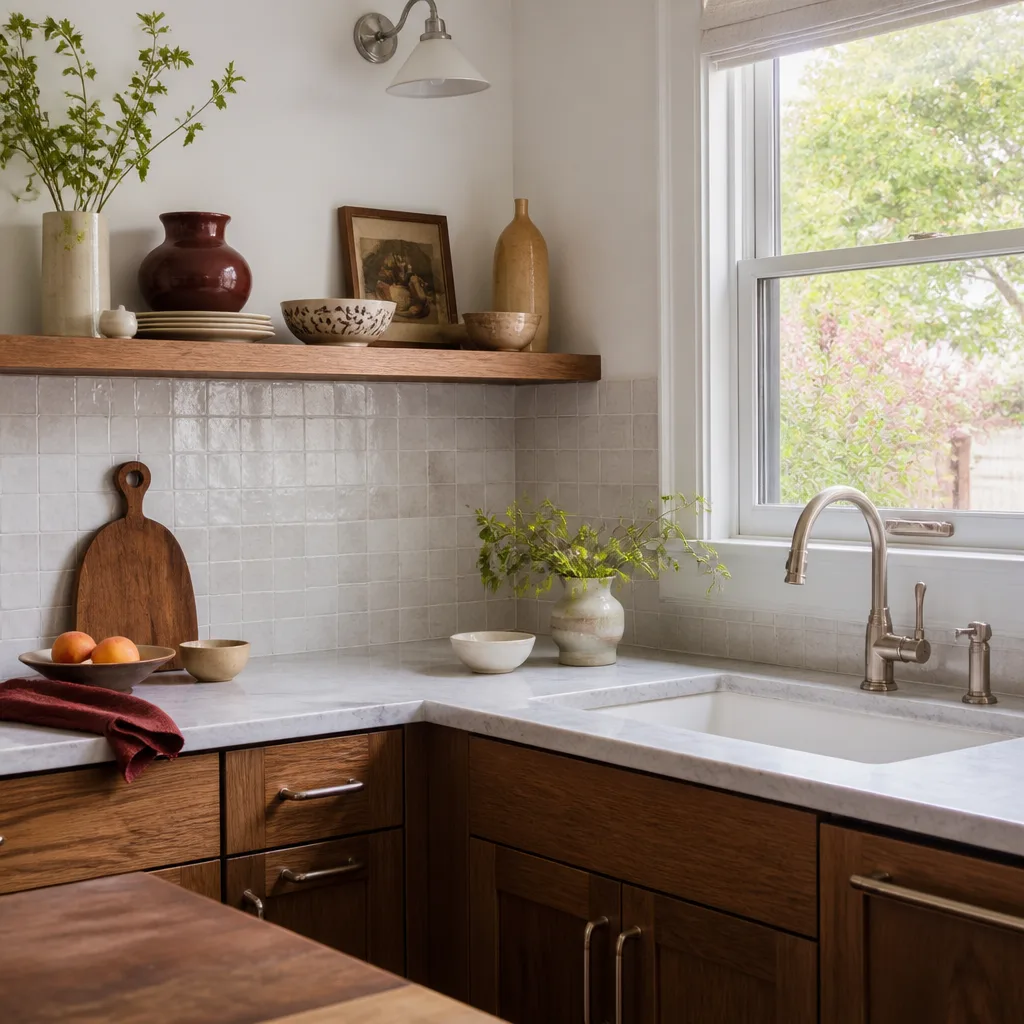
Cambria manufactures quartz surfacing, not paving stones, but we field calls every week from Miami homeowners who were told their driveway or patio was “Cambria” or who have Cambria quartz accents bordering a paver installation. If your hardscape includes Cambria quartz edging, step treads, or inlay borders around a paver driveway, this page covers the full system: we source the pavers from Belgard and Unilock for the field, and we handle the Cambria quartz components with the same written-price approach.
Here’s the compatibility gotcha we see often: Cambria quartz slabs come in 2cm and 3cm thicknesses, and the 2cm material is not rated for driveway edging that takes vehicle weight. If someone installed 2cm Cambria as a driveway border in Miami, the thermal expansion from our sun plus the weight of a pickup will crack it within a few seasons. The right spec for driveway borders is 3cm Cambria, or a quality porcelain paver like Belgard’s Mirage series that’s rated for vehicular traffic. We verify thickness and traffic rating on every estimate before we quote a number.
We’re an independent service provider, not affiliated with Cambria. That said, we install Cambria quartz alongside paver systems regularly, and we know how the two materials interact in a Miami climate better than most.
Styles & brands we work with







Signs Your Cambria Driveway & Pavers Is Failing
- Settling or sinking pavers, especially near the street edge or house slab. This is almost always a base failure beneath the pavers, not a paver problem. In Miami, heavy rain washes fines out of a poorly compacted base, and the pavers drop into the void. We see this most often in Coconut Grove and older neighborhoods where driveways were built on fill before modern compaction standards existed.
- Water pooling in low spots that used to drain. A properly pitched paver driveway moves water off in minutes. When water stands for hours after a storm, the base has shifted underneath. Miami’s afternoon downpours make this problem visible fast, and standing water on pavers accelerates the base washout underneath.
- Edge rows pulling away from the concrete curb or house foundation. The border row is held by edge restraints, and when those restraints fail, the whole field starts to wander. This is a structural problem, not a cosmetic one, and it only gets worse with every car that drives over the edge.
- White, chalky haze on the quartz borders or efflorescence on the paver surface. Efflorescence happens when moisture pushes minerals up through the pavers and they crystallize on top. Miami’s humidity makes this more common than drier climates. It’s usually a moisture management problem underneath, not a cleaning issue on top.
- Crumbling sand joints and weeds pushing up between pavers. Polymeric sand can fail in Miami when UV exposure and heavy rain break it down faster than expected. If you can sweep sand out with your shoe, the joints have stopped doing their job and water is now getting directly into the base layer.
See the difference
 Before
 After
After Before
 After
After Before
 After
AfterReplacement Cost & What’s Included
Installed paver driveway replacement in Miami runs $8,260 to $21,240, with the spread driven by three main factors: total square footage, how much of the old base has to be excavated and hauled off, and whether the site needs drainage work before new pavers go down. A straight reinstall over a sound base sits at the low end; a full tear-out with new base, edge restraints, and drainage correction sits at the high end.
Every quote we write includes the line items: removal and hauling of the old pavers, base excavation and new aggregate, compaction, paver installation, edge restraints, joint sand, and the final pass. You get a written number before we touch anything, and that number is the number on the invoice. It’s the Kingswell Way we’ve operated under since 2004: give you a number first, then pick up the tools, as Trevor Nash puts it. If the work fails within the first year, the 365-Day Done Right Promise means we come back and fix it at no charge. That’s in writing on every project.
DIY or Call Us?
You can safely inspect a driveway yourself. Look at the edge rows, walk the surface and feel for movement, and note where water stands after rain. That information helps us quote the job faster and more accurately. What we don’t recommend is pulling up pavers to “take a look” at the base. Once you break the edge restraint, the field can shift, and you’ve turned a repairable driveway into a full reset. Compacted aggregate bases also carry weight in ways that look stable and aren’t, once you start excavating near a house slab.
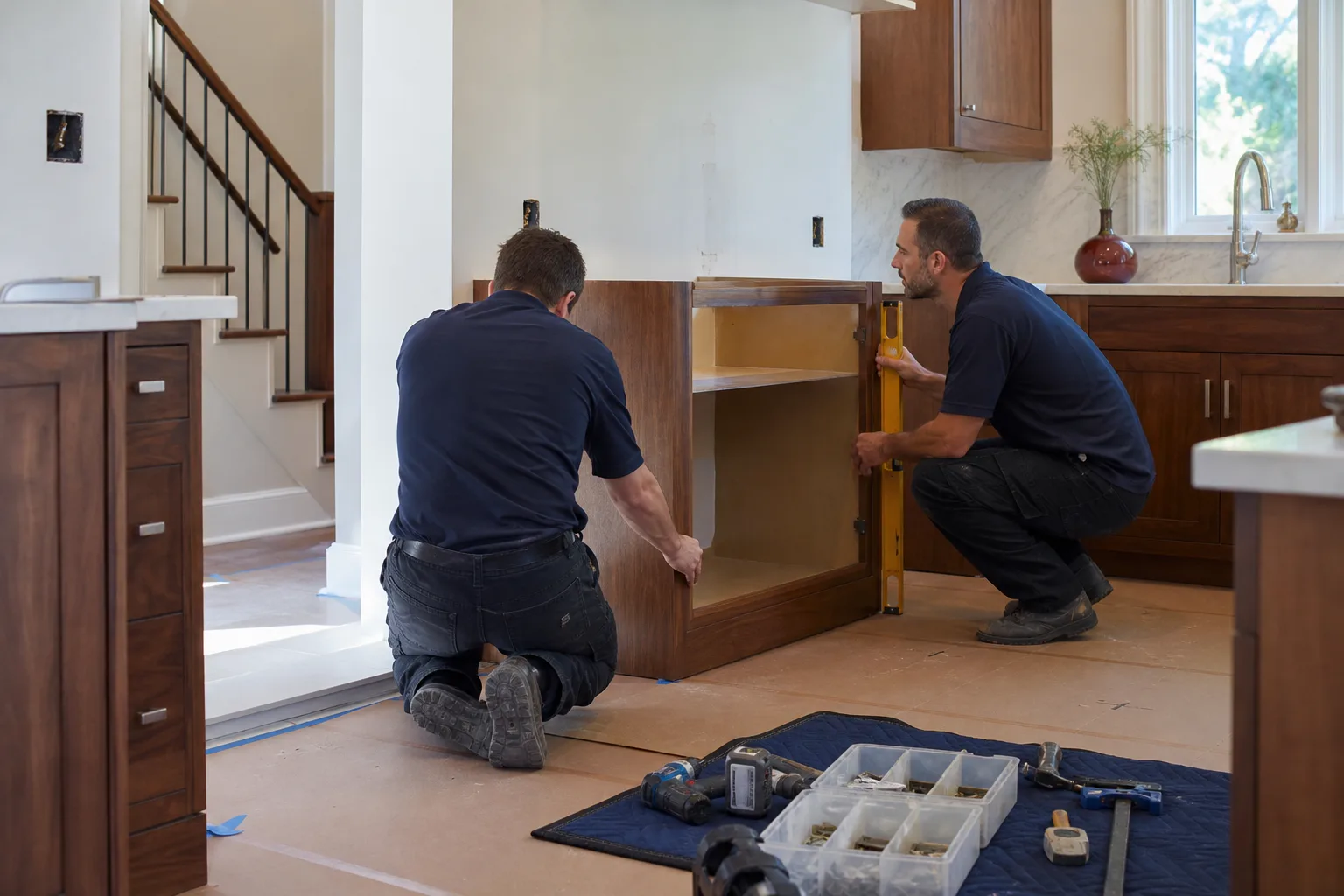
If you want a professional assessment, call (850) 988-7559 and we’ll send a background-checked, uniformed technician to measure, check drainage, and tell you honestly whether you need a spot repair or a full replacement. The estimate is free.
FAQs
A properly installed paver driveway in Miami typically lasts 20 to 30 years on the paver surface, but the base underneath should be recompacted or rebuilt every 15 to 20 years due to our rainfall and high water table. If you’re seeing settlement at the 10-year mark, it’s almost certainly a base issue, not a paver issue. Call (850) 988-7559 and we’ll tell you what you’re actually looking at.
Yes, in many cases we can lift the affected section, correct the base, and relay the same pavers if they’re still in good shape. The limiting factor is whether the edge restraints are intact and whether the pavers themselves have cracked or spalled beyond reuse. We’ll tell you if a spot repair makes sense before we ever suggest a full replacement.
Most residential paver driveway replacements in Miami take three to five working days from tear-out to final compaction, assuming no unexpected drainage work or hidden debris. Weather can add a day, since we don’t compact base material in standing water. We give you a written schedule before work starts, along with the written price.
We stock Belgard and Unilock pavers in the most common Miami colors and sizes on our trucks, and we order Cambria quartz borders in 3cm thickness from the same distributors we’ve used for years. If you have a specific paver color or Cambria edge profile, we’ll bring samples to your home before you commit to anything.
Ready to get this fixed? Call (850) 988-7559 and we’ll schedule your free driveway assessment. Written price before any work starts, a real arrival window, and a guarantee that’s actually in writing. That’s the deal, and it’s been the deal since 2004.
Written by Trevor Nash, Owner, Penhallow Remodeling Miami at Penhallow Remodeling Miami, serving Miami and nearby areas.


