
Free written scope consultation - allowances, timeline, and change-order rules on paper before a single trade is scheduled
Cambria Home Additions & ADU: The Miami Owner’s Guide
Cambria home additions and ADU construction in Miami typically runs $53,100 – $153,400, depending on square footage, foundation work, and the scope of the Cambria quartz surfaces you plan to install. We stock Cambria-compatible materials and complete installations on a schedule that fits your project, not the other way around.
Most Miami homeowners don’t discover a “failed part” in the traditional sense here. What they find is the addition or ADU they planned five years ago no longer works for the way they live now. Maybe the kitchen island’s Cambria quartz was cut for a layout that never quite functioned. Maybe the ADU’s bathroom vanity top cracked after years of settling between the main house and the new structure. Or the water line feeding the ADU’s Cambria-surfaced wet bar started seeping into the drywall behind it. That’s usually the moment the phone rings: when a piece of the project stops performing, and someone needs a straight answer about whether it’s a repair or a rebuild.
We’re Penhallow Remodeling Miami. We install and service Cambria quartz in home additions and ADUs throughout Miami, including Coconut Grove, where we’ve opened more than our share of walls that held surprises. We are an independent contractor, not affiliated with Cambria. But we’ve worked with their product long enough to know exactly how it behaves in South Florida’s heat and humidity, and what to do when something under or around it fails.
Which Cambria Models This Applies To
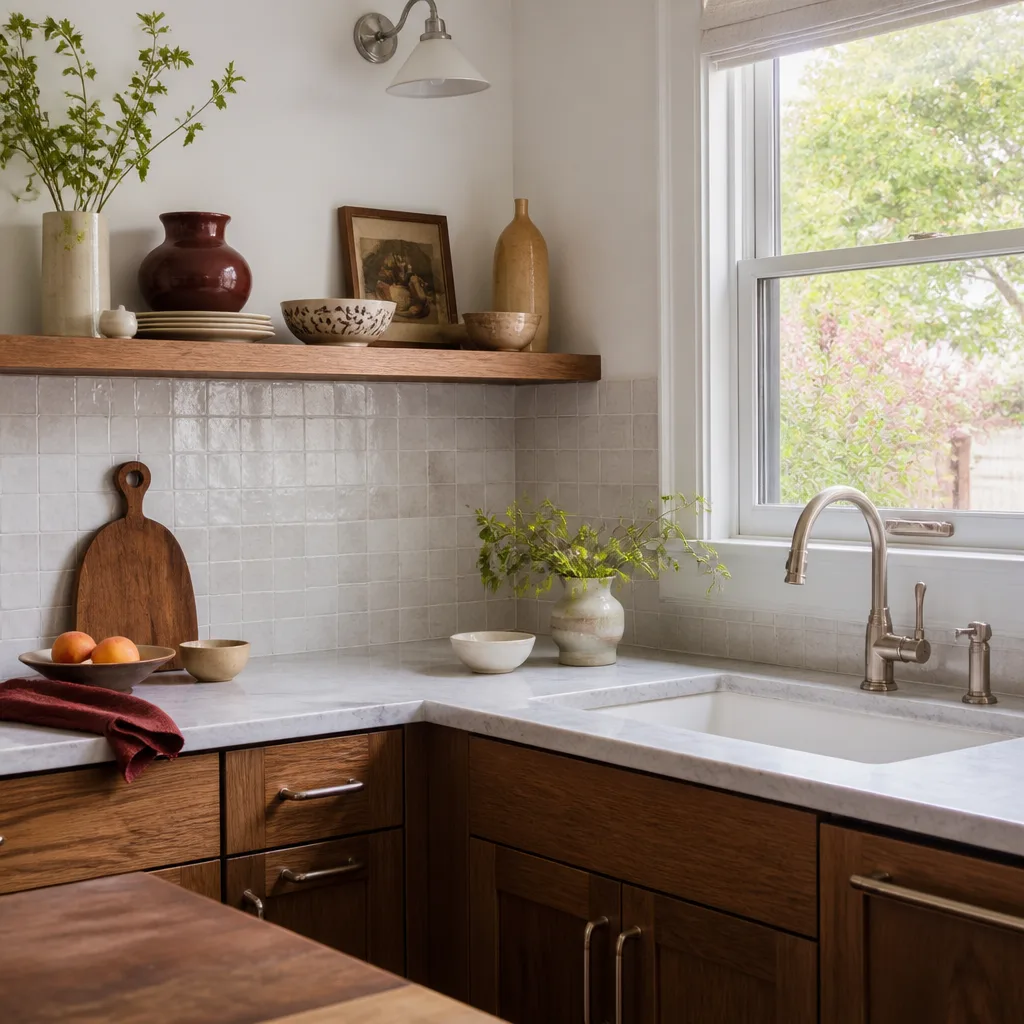
Cambria doesn’t make mechanical parts that “fail” like a spring or a motor. What fails in a Miami addition or ADU is the substrate, the layout, or the installation decisions made around the Cambria surface. So when we talk about Cambria compatibility, we’re talking about the full Cambria slab series: the Classic, Marble, Waterstone, and Designer collections, each with different thickness profiles (2cm and 3cm) and edge styles that affect how a repair or retrofitted addition has to be approached.
The compatibility gotcha most homeowners miss is this: Cambria quartz is non-porous, heavy (roughly 13 pounds per square foot at 3cm), and cut at the fabrication shop, not on site. If your ADU’s existing island top was cut from one slab lot and you need a matching extension, you can’t just order “more of the same color.” Cambria runs dye lots, and a slab from a different production run will show subtle variation under Miami’s clear morning light. We solve this by pulling Cambria serial numbers from the underside of your existing slab whenever possible and ordering from the same lot, or by designing the addition so the seam falls where the eye doesn’t go. That’s the kind of detail that separates a matched repair from a mismatched one.
For OEM versus aftermarket: Cambria’s own lifetime warranty covers the quartz itself for manufacturing defects, but it doesn’t cover the substrate, the cabinetry below it, the plumbing rough-ins, or the labor to remove and reset a slab. Most “failures” we see in Miami additions are substrate failures: plywood delamination from humidity, improper cement board seams, or cabinet boxes that have shifted on slab foundations. For those, we use premium aftermarket structural materials (cement board substrate, proper waterproofing membranes, stainless steel brackets) that meet or exceed Cambria’s installation requirements. The quartz rarely fails. What’s under it does.
Styles & brands we work with







Signs Your Cambria Home Additions & ADU Is Failing
- Hairline cracks running parallel to the sink or cooktop cutout. This usually means the cabinet below has settled unevenly, or the cutout corners weren’t radiused aggressively enough during fabrication. In Miami, where slab foundations settle differently between the original structure and an addition, this is more common than in northern markets.
- Seam separation or lippage (one edge sitting higher than the other). If the seam in your island or peninsula has opened up enough to catch a fingernail, the underlying support has moved. Cambria seams don’t open on their own. Something structural moved first.
- Soft spots in the drywall below a wet bar or window. Moisture is finding its way in, usually around an exterior wall penetration in the ADU. Cambria quartz won’t absorb water, but the framing and drywall behind it absolutely will. This is a repair-you-catch-early situation in Miami, where wet season runs May through October.
- Cabinet doors that suddenly stick or won’t close flush. This points to racking in the cabinet boxes, which sit directly under the Cambria top. A shifting cabinet is a load problem for the stone above, and a half-inch of settlement can translate to a cracked top within a year.
- Water staining around the base of an undermount sink. The Cambria top is fine. The sink’s sealant has failed. Left alone in Miami’s humidity, the particleboard or plywood underneath softens, the sink drops, and the quartz starts flexing. That’s how a $300 re-seal becomes a $6,000 top replacement.
Replacement Cost & What’s Included
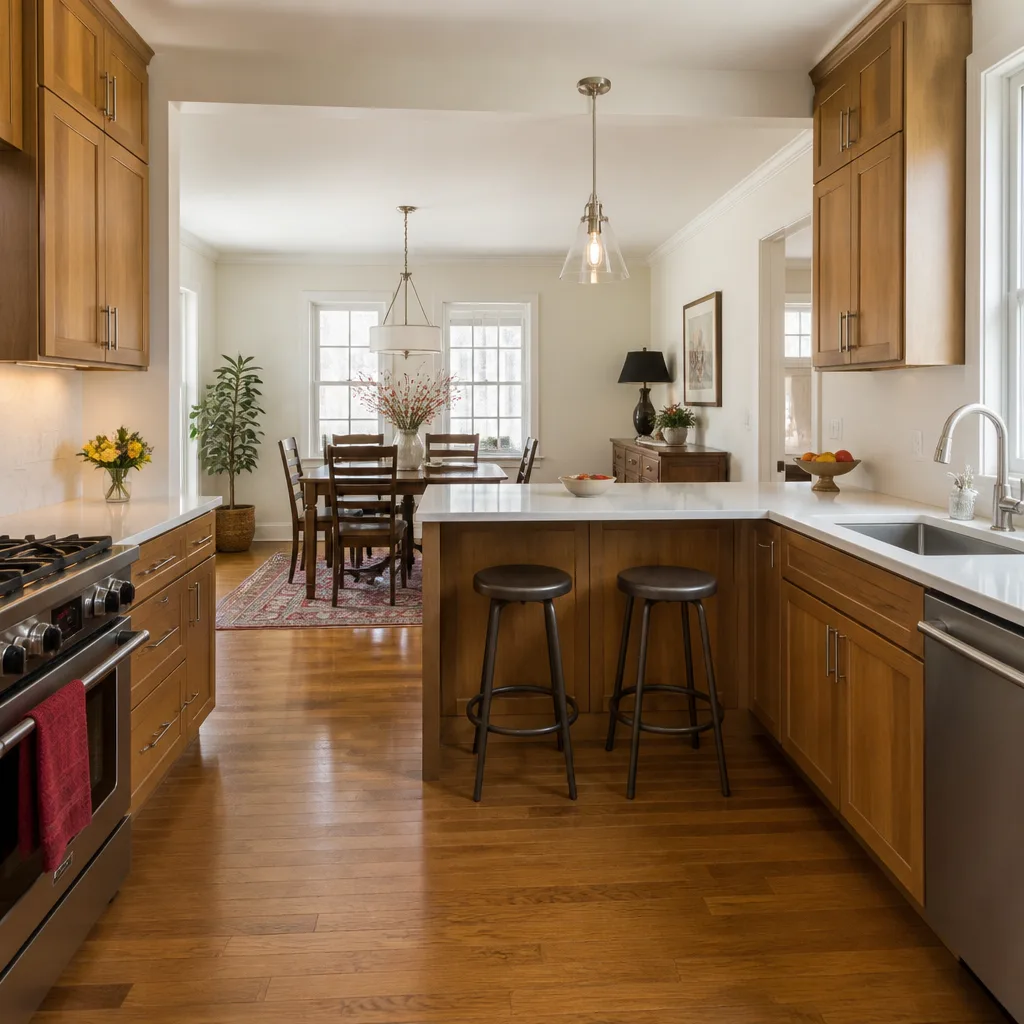
In Miami, a full home addition with Cambria kitchen surfaces runs $53,100 – $153,400. ADU construction with Cambria starts around $106,200 and can reach $259,600 for a two-bedroom unit with a full kitchen. If the project is a targeted repair rather than a buildout, here’s what the line items actually look like:
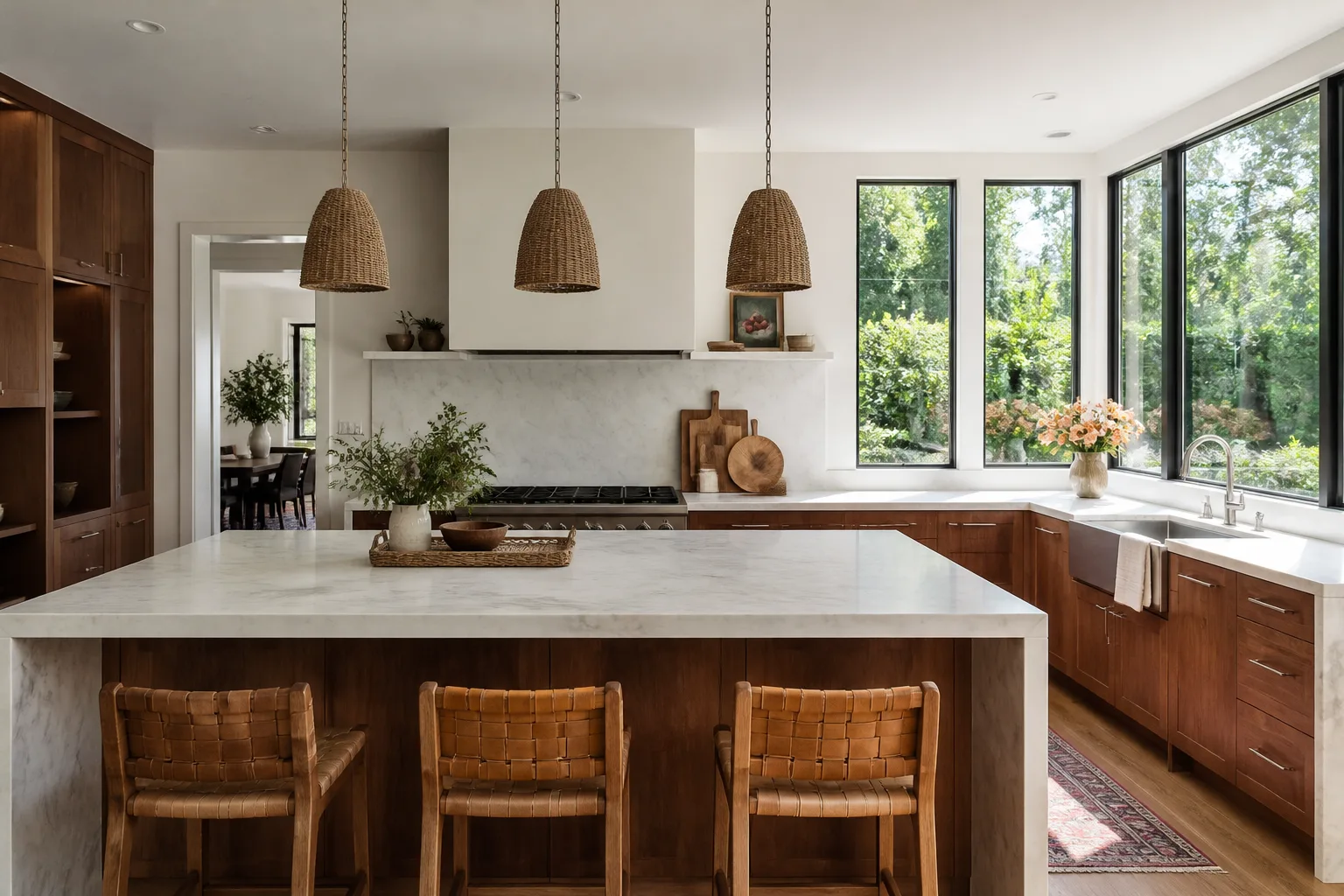
- Kitchen remodel with Cambria countertops: $16,520 – $53,100 depending on cabinet line, layout changes, and how much structural work the addition requires.
- Countertop installation alone (Cambria, fabricated and set): $2,360 – $7,670 for a typical kitchen in a Miami addition.
- Cabinet installation under Cambria tops: $4,720 – $15,340. The cabinets carry more of the structural load than most people realize.
- Backsplash installation: $945 – $2,950, including the cement board substrate and waterproofing that Miami’s humidity demands.
- Kitchen island installation: $3,540 – $11,800. Islands in additions need beefier support since they’re rarely against a load-bearing wall.
Every quote we write includes the parts, the fabrication, the labor, the disposal of the old materials, and the substrate work. The number we hand you is the number on the invoice. If we find something behind the wall that changes the job, we stop and tell you before we spend another dollar. That’s not a policy; that’s how Trevor runs every project. And every job carries our 365-Day Done Right Promise: if it’s not right, we make it right, in writing.
See the difference
 Before
 After
After Before
 After
After Before
 After
AfterDIY or Call Us?
Here’s where the honest split lives. You can absolutely identify the problem yourself. Look for the seam separation, the cracks around the sink, the soft drywall under a window. Take photos, measure the gap if there is one, and write down the Cambria color name from underneath the slab if you can reach it. Knowing what you’re looking at makes you a better buyer of any contractor’s time.
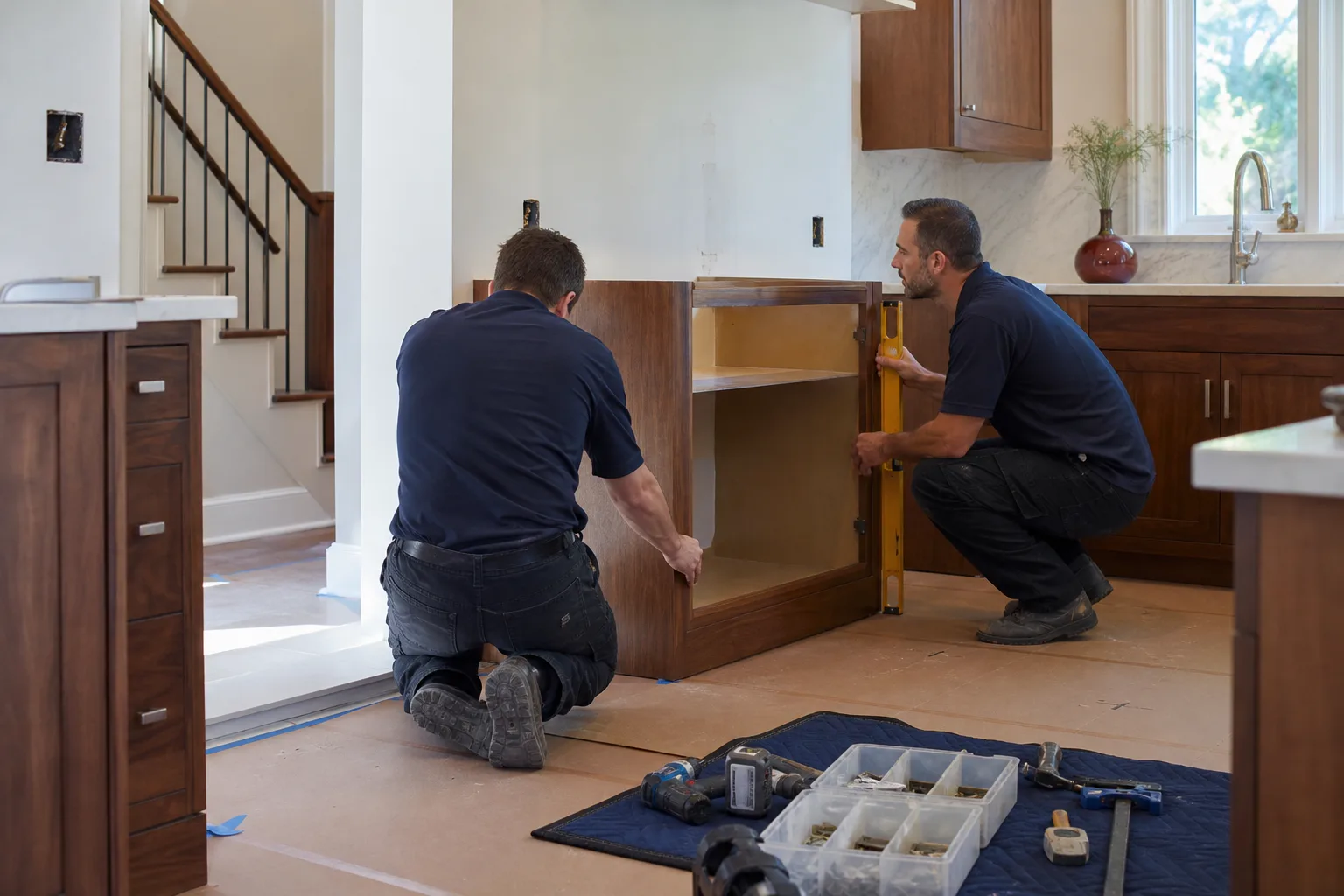
But replacing or resetting Cambria quartz is not a weekend project. A 3cm slab island top can weigh 400 pounds or more. It takes two to four people just to carry it without snapping the stone, and one wrong angle during the set means a cracked slab that nobody’s returning. Then there’s the substrate: if the cabinet below has shifted, you need to address the racking before the new top goes down, or you’ll be looking at the same crack in eighteen months. If the failure involves electrical rough-ins, gas lines for an ADU kitchen, or load-bearing walls in the addition itself, leave it alone. Those are the jobs where a homeowner’s good day turns into an emergency-room visit. Call (850) 988-7559 and we’ll come look. The estimate is free, and you’ll get a written number before anyone picks up a tool.
FAQs
Cambria quartz itself carries a lifetime warranty against manufacturing defects, but the installation around it typically lasts 20 to 30 years in South Florida before substrate issues or settling force a repair. The stone will last. The structure under it is what ages, and Miami’s humidity and slab foundation movement accelerate that aging compared to drier climates.
Small chips can be filled by a trained fabricator, but a structural crack through the slab cannot be meaningfully repaired in place. The repair will always be visible, and the stress that caused the crack will transfer to the next weak point. We’ll tell you honestly whether your slab is a candidate for a fill or a replacement after looking at it.
A countertop swap in an existing kitchen or ADU usually takes two to three days once the slab is fabricated and on site. Larger addition repairs that involve framing, substrate, or cabinetry can run one to three weeks depending on scope. We’ll give you a written schedule with the quote, not a vague window.
We order Cambria slabs per project from the same distribution network every fabricator in Miami uses, but we do stock the structural materials we install alongside Cambria: cement board, waterproofing membranes, brackets, and cabinet reinforcement hardware. If your project is time-sensitive, the fabrication schedule is what drives the timeline. Call (850) 988-7559 and we’ll give you a real lead time for your specific Cambria color.
Ready to Get a Real Number?
If your Cambria addition or ADU surface is showing cracks, shifted seams, or moisture problems behind the stone, call (850) 988-7559. We’ll schedule a written estimate, walk the job with you, and give you a number first, then pick up the tools. That’s how we work in Miami, and it’s how we’ve always worked. You’ll also want to know that we source from the same quality brand families you already trust: Cambria along with KraftMaid, Silestone, and Kohler, so the products behind our work carry real warranties.
Written by Trevor Nash, Owner, Penhallow Remodeling Miami at Penhallow Remodeling Miami, serving Miami and nearby areas.


