
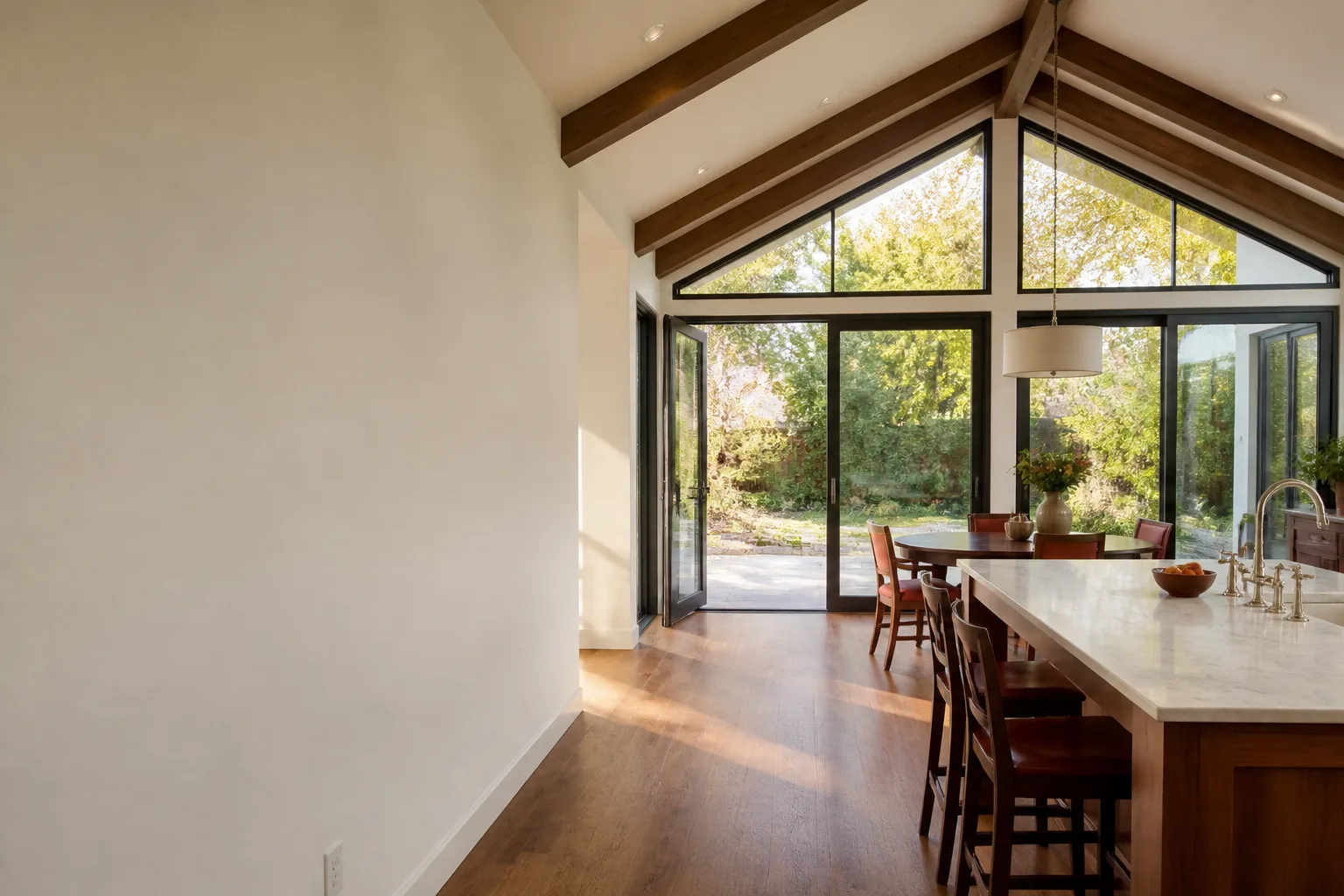
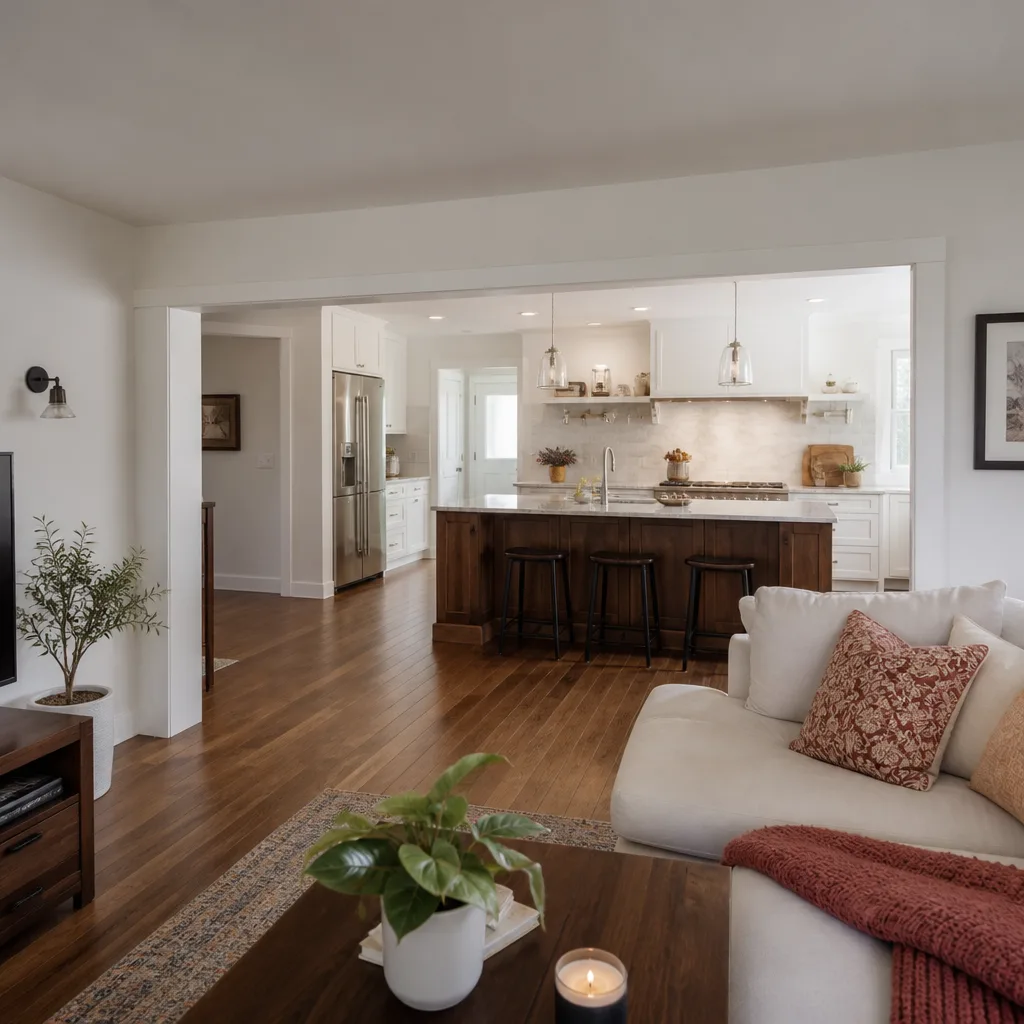

Free written scope consultation - allowances, timeline, and change-order rules on paper before a single trade is scheduled
CertainTeed Home Additions & ADU: The Miami Owner’s Guide
If you’re reading this, you’ve got a CertainTeed home addition or ADU somewhere on your Miami property, and something about it isn’t holding up the way it should. We install, repair, and replace CertainTeed-compatible additions and ADUs throughout Miami, and a full addition or ADU project typically runs $53,100 – $153,400 installed depending on square footage, foundation work, and how much of the existing structure needs to come out first. Most owners discover a problem the same way: a door that suddenly won’t latch, a hairline crack running from a window corner, or a floor that’s started to slope just enough to notice when you’re carrying a cup of coffee across it.
Our team at Penhallow Remodeling Miami has worked on these structures long enough to know that the failure is rarely the CertainTeed product itself. It’s usually what the Miami climate did to the connection points, the flashing, or the underlying framing over a decade or two of humidity, salt air, and afternoon downpours.
Key Takeaways:
- CertainTeed home additions and ADUs in Miami typically cost $53,100 – $153,400 installed, depending on scope
- We give you a written price before any work starts, no verbal ballpark that changes later
- Every project carries our 365-Day Done Right Promise in writing
- A live person answers our phone 24/7 at (850) 988-7559
Which CertainTeed Models This Applies To
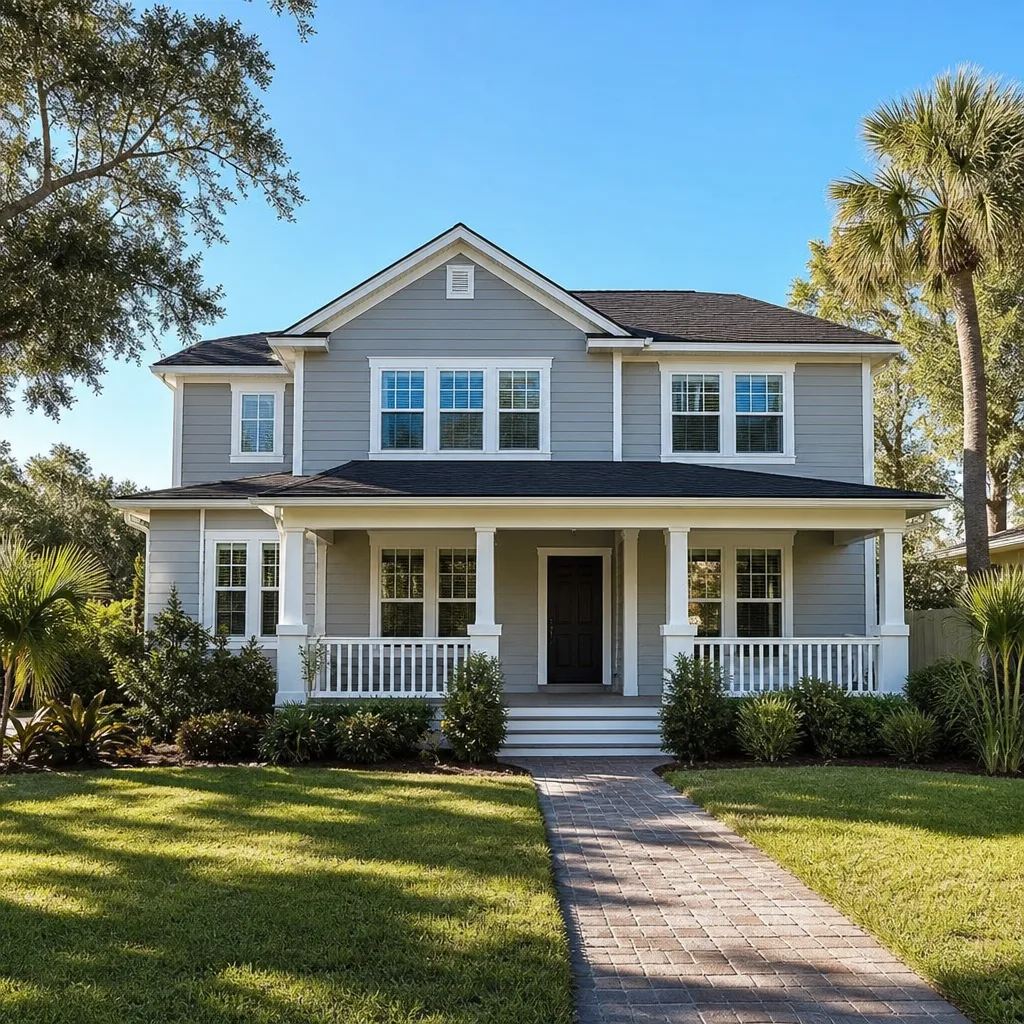
CertainTeed doesn’t manufacture “home additions” as a single product line. What you most likely have is a structure built with CertainTeed exterior materials, siding, roofing, insulation, or trim, and those components age on a schedule that’s predictable if you know what to look for. The compatibility question isn’t about a model number; it’s about matching the replacement material to what’s already on the structure.
Here’s the gotcha we see regularly in Miami: CertainTeed siding and trim products come in specific profile dimensions and locking geometries. A board that looks identical from eight feet away won’t necessarily interlock with the piece next to it if it’s from a different CertainTeed line or generation. CertainTeed’s Cedar Impressions shingle, for example, changed its panel profile subtly over the years, and ordering a current-run panel to patch a 2008 installation can leave you with a visible seam. We measure the exposure, the thickness, and the lock profile before we order anything.
As for the decision between OEM CertainTeed material and a quality aftermarket equivalent: for structural components and exterior cladding, we recommend staying with CertainTeed material. The color match, the fastener schedule, and the expansion characteristics are all designed to work together. For secondary components like interior trim or non-structural blocking, a good aftermarket product is often just as durable and costs less. We’ll tell you which is which before you spend a dollar.
Penhallow Remodeling Miami is an independent contractor, not affiliated with CertainTeed. We also work with KraftMaid cabinetry, Cambria countertops, and Silestone surfaces on the finish side when an addition or ADU involves interior work.
Styles & brands we work with







Signs Your CertainTeed Home Additions & ADU Is Failing
- Cracks radiating from window and door corners. In Miami, this usually means the header above the opening wasn’t sized for the wind load, or the sheathing is pulling away from the framing. It starts cosmetic, but it’s telling you about movement underneath.
- Doors that stick in summer and swing loose in winter. Humidity cycling makes wood framing expand and contract. If a door that fit fine two years ago now needs a shoulder to close, the frame has shifted and the load path needs a look.
- Siding that’s cupping, warping, or showing nail heads pushing through. This is almost always a moisture issue behind the cladding. CertainTeed siding is engineered to handle Miami rain, but only if the house wrap and flashing were installed correctly behind it.
- A floor that slopes toward an exterior wall. For additions built on a slab, this can mean soil settlement. For pier-and-beam additions in older Miami neighborhoods like Coconut Grove, it can mean a beam or joist has given up. Either way, don’t ignore it.
- Musty odor you can’t pinpoint in an ADU. That’s often a crawl space or wall cavity holding moisture. Miami’s humidity is relentless, and a small flashing failure becomes a mold condition faster than people expect.
If you’re noticing any of these, call us. The earlier we see it, the less it costs to fix. That’s not a sales line; it’s just math.
See the difference
 Before
 After
After Before
 After
After Before
 After
AfterReplacement Cost & What’s Included

In Miami, a full home addition or ADU project lands between $53,100 and $153,400 installed. That’s a wide range because the variables are wide: a small bump-out with minimal foundation work sits at the low end, while a full ADU with a kitchen, bath, separate electrical panel, and hurricane-rated windows sits at the high end. If the existing structure needs partial demolition, structural repair, or mold remediation before we can build, that adds to the number, and we’ll tell you exactly what and why before anything starts.
The price includes all materials, labor, debris removal, and the written guarantee that comes with every Penhallow job. If you’re doing a kitchen inside the addition, cabinet lines like KraftMaid and countertop materials like Cambria or Silestone affect the total, and we’ll walk you through those choices with real numbers attached to each option.
What you won’t get is a surprise. The price we hand you in writing before work begins is the price on the final invoice. If we open a wall and find something the original builder hid, we stop, we show you, and we give you a new written number before we do anything else. That’s the Kingswell Way, and we’ve operated under it since 2004.
DIY or Call Us?
There are things you can safely check yourself. Walk the perimeter after a heavy rain and look for water pooling against the foundation. Check that downspouts are directing water away from the addition. Look at the caulk joints around windows; if they’re cracked or pulling away, that’s a $20 tube of sealant and an hour of work.
What you should not do yourself is anything involving structural framing, electrical panels, gas lines, or roof work on an addition or ADU. Those are the areas where a mistake gets expensive or gets someone hurt. Trevor Nash has spent three decades on jobs from small bath refreshes to full structural overhauls, and he’ll be the first to tell you that some of the hardest jobs he’s worked were the ones where a well-meaning homeowner took something apart first.
If you’re not sure whether your situation is a “check it” or a “call us” situation, call us anyway. The estimate is free, and we’d rather spend twenty minutes on the phone telling you it’s nothing than have you spend a weekend making it worse. (850) 988-7559.
FAQs

A properly built addition or ADU using CertainTeed exterior materials should last 40 to 60 years on the structural side, but exterior components like siding, trim, and flashing typically need attention or replacement at the 15 to 25 year mark in Miami’s heat and humidity. The structure outlasts the skin, which is normal and expected.
Yes, and in most cases that’s the smarter path. If the framing is sound and the issue is localized, such as a failed flashing detail or a section of siding, we repair what’s failed and leave the rest alone. Replacement becomes the right call when structural members have rotted, settlement has compromised the foundation, or the repair would cost more than 60% of a rebuild.
A small addition or repair typically takes 2 to 6 weeks. A full ADU construction generally runs 3 to 6 months, with permitting time in Miami on top of that. We give you a written timeline when we give you the written price, and we show up in the window we gave you. Call (850) 988-7559 for an exact quote on your project, estimates are free.
We keep common CertainTeed trim profiles, fasteners, and flashing materials on hand, but most siding and exterior panels are ordered per job so the color lot and profile match your existing installation. We measure first, order second, and we don’t install anything until we’ve verified the match. For finish materials inside the addition, we work with KraftMaid, Cambria, and Silestone among others, and those are also ordered to your spec.
Give you a number first, then pick up the tools. That’s how we work, and it’s the only way we know to run a project in Miami. If your CertainTeed addition or ADU is showing signs of trouble, call (850) 988-7559. We’ll schedule a time to look at it, hand you a written estimate, and you can decide from there with no pressure and no follow-up calls hounding you.
Written by Trevor Nash, Owner, Penhallow Remodeling Miami at Penhallow Remodeling Miami, serving Miami and nearby areas.


