





Free written scope consultation - allowances, timeline, and change-order rules on paper before a single trade is scheduled
CertainTeed Kitchen Remodeling: The Miami Owner’s Guide
If you’re reading this, you probably have CertainTeed materials in your kitchen – most often CertainTeed drywall, backer board, or their Diamondback tile underlayment – that have failed or are about to be covered over in a remodel. We regularly install over and around CertainTeed products in Miami kitchens, and we’ll give you a written price before we touch anything: a full kitchen remodel with CertainTeed materials typically runs $16,520 – $53,100 installed, depending on cabinet line, countertop choice, and how much structural work your existing substrate needs. Most Miami homeowners discover the CertainTeed layer has failed when tile starts cracking at the corners, grout lines split along a seam, or the drywall behind a sink shows water staining. That’s usually the moment they call us, and it’s almost always a faster fix than they think.
We’re an independent Miami remodeling company – not affiliated with CertainTeed directly – but we work with their materials on a regular basis, and we know where they hold up and where they don’t in South Florida humidity.
Which CertainTeed Models This Applies To
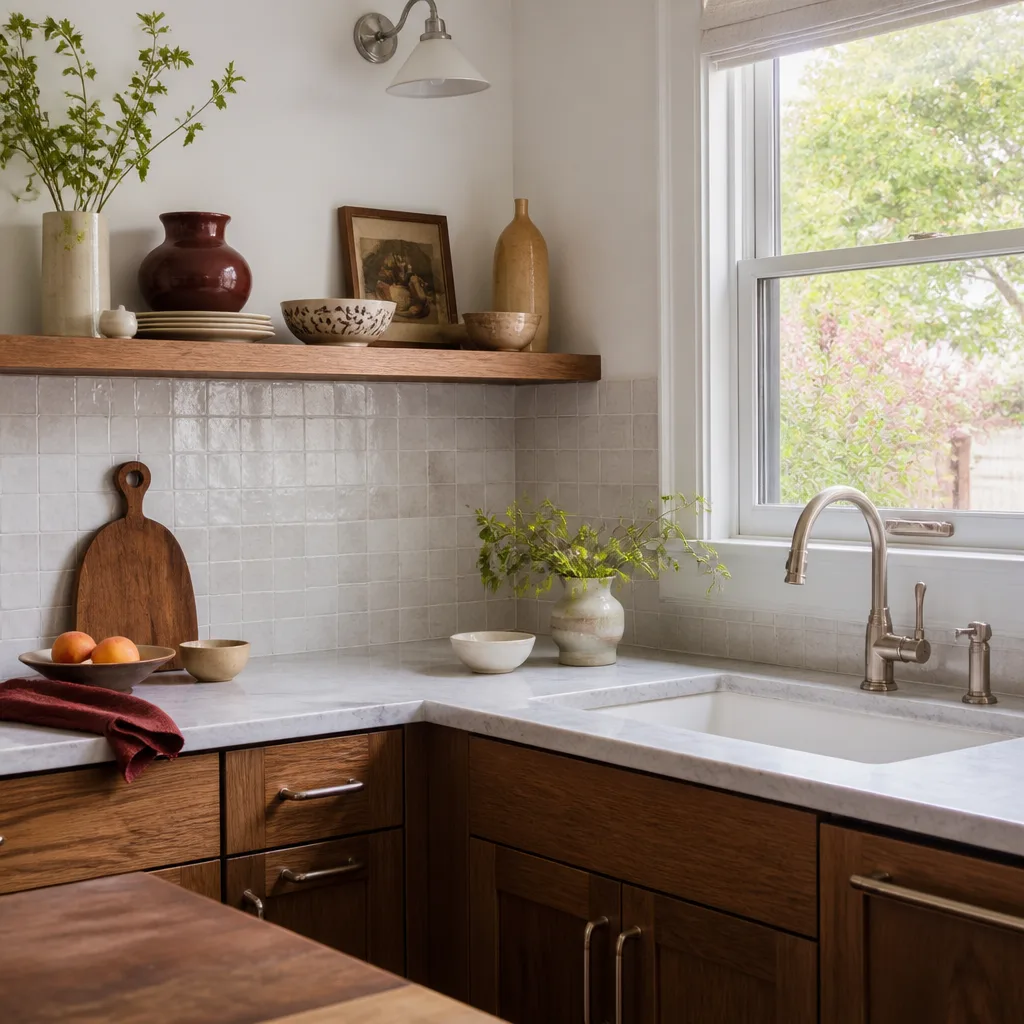
CertainTeed doesn’t make cabinets or countertops. What they do make, and what we encounter constantly in Miami kitchen remodels, is the substrate: their drywall lines (including CertainTeed AirRenew and M2Tech), their GlasRoc tile backer, and their Diamondback gypsum underlayment used beneath tile and stone. If your kitchen was built or last renovated in the last 15 to 20 years in Miami, there’s a good chance one of these products is behind your tile or under your countertop.
The compatibility gotcha most homeowners don’t know: CertainTeed Diamondback and GlasRoc panels have different fastener schedules than standard cement board. GlasRoc requires alkali-resistant fiberglass tape at seams, and Diamondback panels are marked with a printed nailing pattern on the face – if those seams were never taped correctly, the tile above starts flexing, and hairline cracks show up within a season or two of Miami’s wet-dry cycles. When we open up a failed kitchen wall, we can usually tell within ten minutes whether the original installer followed the spec or took shortcuts.
Differentiating OEM CertainTeed board from generic gypsum matters because the paper facing on AirRenew and M2Tech is treated for mold resistance, which matters more in Miami than it does in most of the country. A generic drywall patch behind a sink will wick moisture and start crumbling within a couple of years. The CertainTeed board holds up measurably better. When matching materials, we order from CertainTeed’s current product lines and verify the panel stamp before it goes in.
Styles & brands we work with







Signs Your CertainTeed Kitchen Remodeling Is Failing
- Hairline cracks running diagonally from tile corners. This almost always points to flexing substrate beneath the tile. In Miami kitchens, the cause is usually a seam in the CertainTeed backer that wasn’t taped with alkali-resistant tape, or fasteners that have backed out as the wall studs expand and contract through humid summers.
- Grout crumbling or falling out in a straight line. Grout doesn’t fail in a straight line unless the panel edge beneath it is moving. When we see a perfectly linear grout failure, we know there’s a seam underneath, and the underlayment wasn’t installed to CertainTeed’s fastener schedule.
- Soft spots or slight give when you press on the wall behind the sink. Water has gotten past the tile and into the drywall or backer. CertainTeed’s mold-resistant boards buy you time, but they aren’t waterproof, and in a Miami kitchen with daily humidity swings, a small leak becomes a soft wall faster than you’d expect.
- Dark staining at the base of the backsplash or where the counter meets the wall. This is trapped moisture wicking up from the counter joint or down from a failed caulk line. Older CertainTeed installations with standard gypsum behind the tile are especially prone to this in Miami’s climate.
- Tile that sounds hollow when tapped. That hollow sound means the thinset has lost bond with the surface below. It happens with all backer boards over time, but it accelerates in kitchens with poor ventilation – which describes a lot of older Miami homes.
See the difference
 Before
 After
After Before
 After
After Before
 After
AfterReplacement Cost & What’s Included
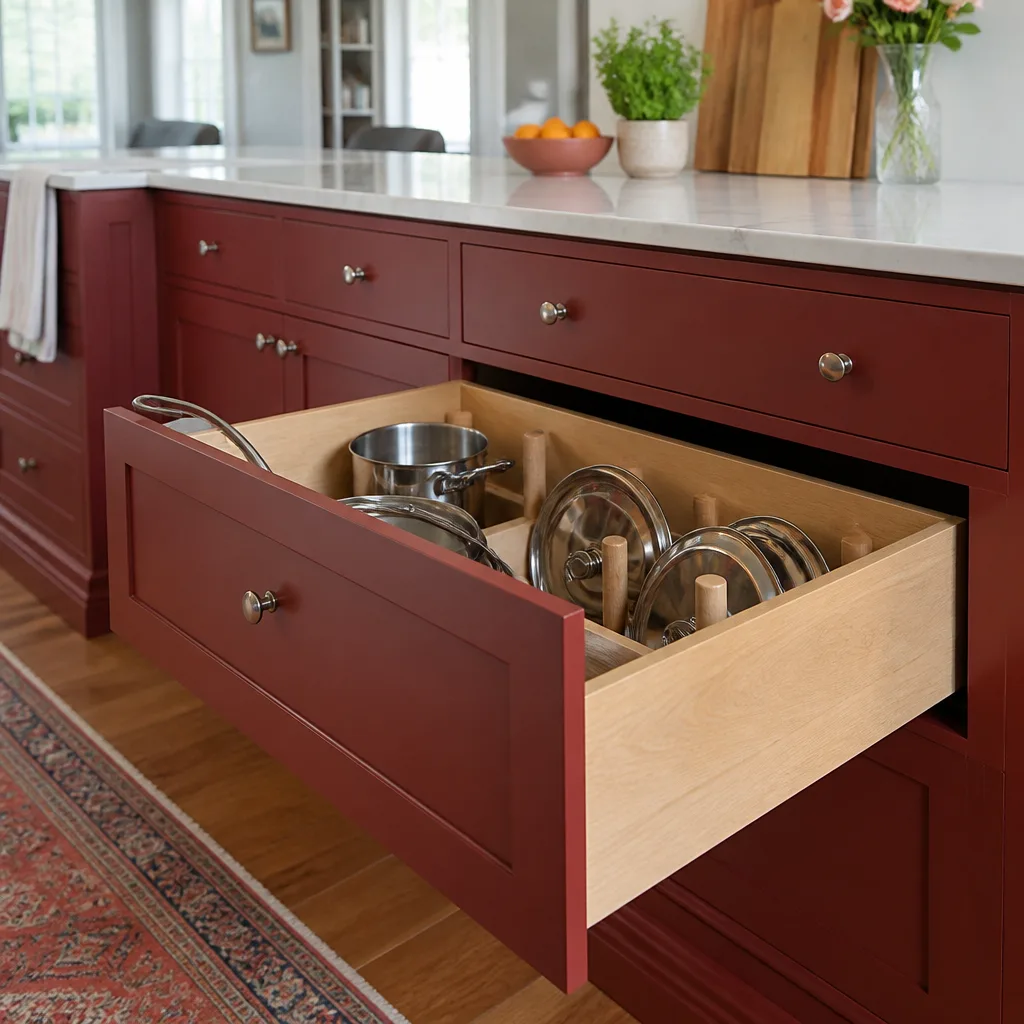
For a Miami kitchen remodel involving CertainTeed substrate replacement, here’s what honest numbers look like. A small kitchen remodel in Miami runs $10,620 – $23,600. A full kitchen remodel runs $16,520 – $53,100. That range exists because every job has different variables, and we’d rather give you a real number than a vague promise.
| Scope of Work | Typical Installed Range (Miami) |
|---|---|
| Substrate repair only (remove failed tile, replace CertainTeed backer, prep for new tile) | $945 – $2,950 |
| Backsplash replacement with new CertainTeed substrate and tile | $945 – $2,950 |
| Countertop installation (over new substrate as needed) | $2,360 – $7,670 |
| Small kitchen remodel (cabinets, counters, backsplash, substrate repair as needed) | $10,620 – $23,600 |
| Full kitchen remodel (all of the above plus layout work, island, full wall remediation) | $16,520 – $53,100 |
Every one of these numbers is a written price before work starts, not an estimate range you’ll have to hold your breath over. The line item covers parts, labor, disposal, and the substrate work – including any CertainTeed board replacement, seam taping, and waterproofing prep. If the number changes, it’s because we found something structural behind the wall and we talk to you about it before we spend another dollar. That’s the Kingswell Way, and it’s how Trevor Nash runs every job we take in Miami.
DIY or Call Us?
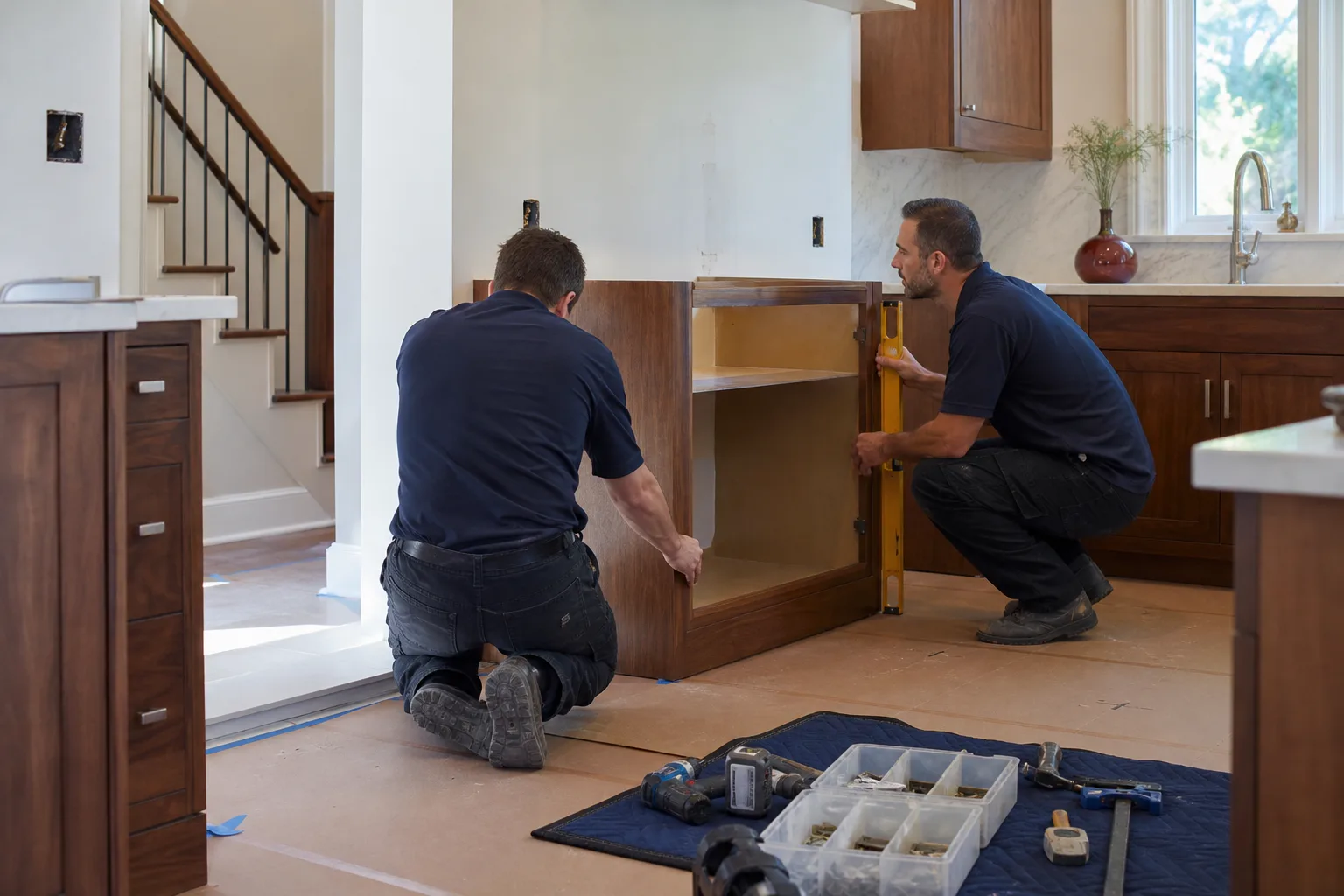
Replacing a failed section of CertainTeed backer board or drywall behind tile is not a weekend project for most people. It involves cutting out tile, removing the damaged board without damaging surrounding material, matching the board thickness to what was there, taping seams with the correct fiberglass tape, and letting everything cure before new tile goes up. One missed step and you’re looking at the same failure six months down the line. This isn’t like swapping a faucet washer.
What you can do safely: turn off the water under the sink if you suspect a leak, check for soft spots with a gentle press (don’t poke through), and take photos of any cracking or staining so you have a record. Then call us at (850) 988-7559. We’ll send a background-checked, uniformed technician to look at what’s behind the tile, and you’ll get a written number before any tools come out. Give you a number first, then pick up the tools – that’s been the standard since day one.
FAQs
In a properly installed kitchen, CertainTeed GlasRoc or Diamondback underlayment can last 30 years or more, but in Miami the limiting factor is moisture exposure and install quality, not the board itself. A poorly taped seam behind the sink can fail in two to three years. Call (850) 988-7559 if you’re seeing cracks or staining, and we’ll tell you what’s going on behind the tile.
Yes, in most cases a localized repair works if the damage is caught early and the surrounding board is still bonded. We remove the affected tile, cut out the damaged board, patch with the same CertainTeed product, re-tape the seams, and re-tile. The fix holds when the rest of the wall is sound. If you’re not sure whether yours qualifies for a repair, call us for a free evaluation.
Most CertainTeed substrate repairs with new backsplash finish in two to four working days, including cure time for the thinset and grout. If we’re doing a larger remodel that includes cabinets and counters, the full job usually runs two to six weeks depending on scope. You’ll get a defined arrival window and a clean job site at the end of every workday.
We source and stock the CertainTeed products needed for our kitchen remodels, so you don’t have to hunt down panels or specialty fasteners. We also work with KraftMaid cabinetry, Cambria quartz, and Silestone surfaces when the project calls for those brands. If you have a specific product preference, tell us on the call and we’ll factor it into your written price.
Written by Trevor Nash, Owner, Penhallow Remodeling Miami at Penhallow Remodeling Miami, serving Miami and nearby areas.


