



Free written scope consultation - allowances, timeline, and change-order rules on paper before a single trade is scheduled
Cover Home Additions & ADU: The Miami Owner’s Guide
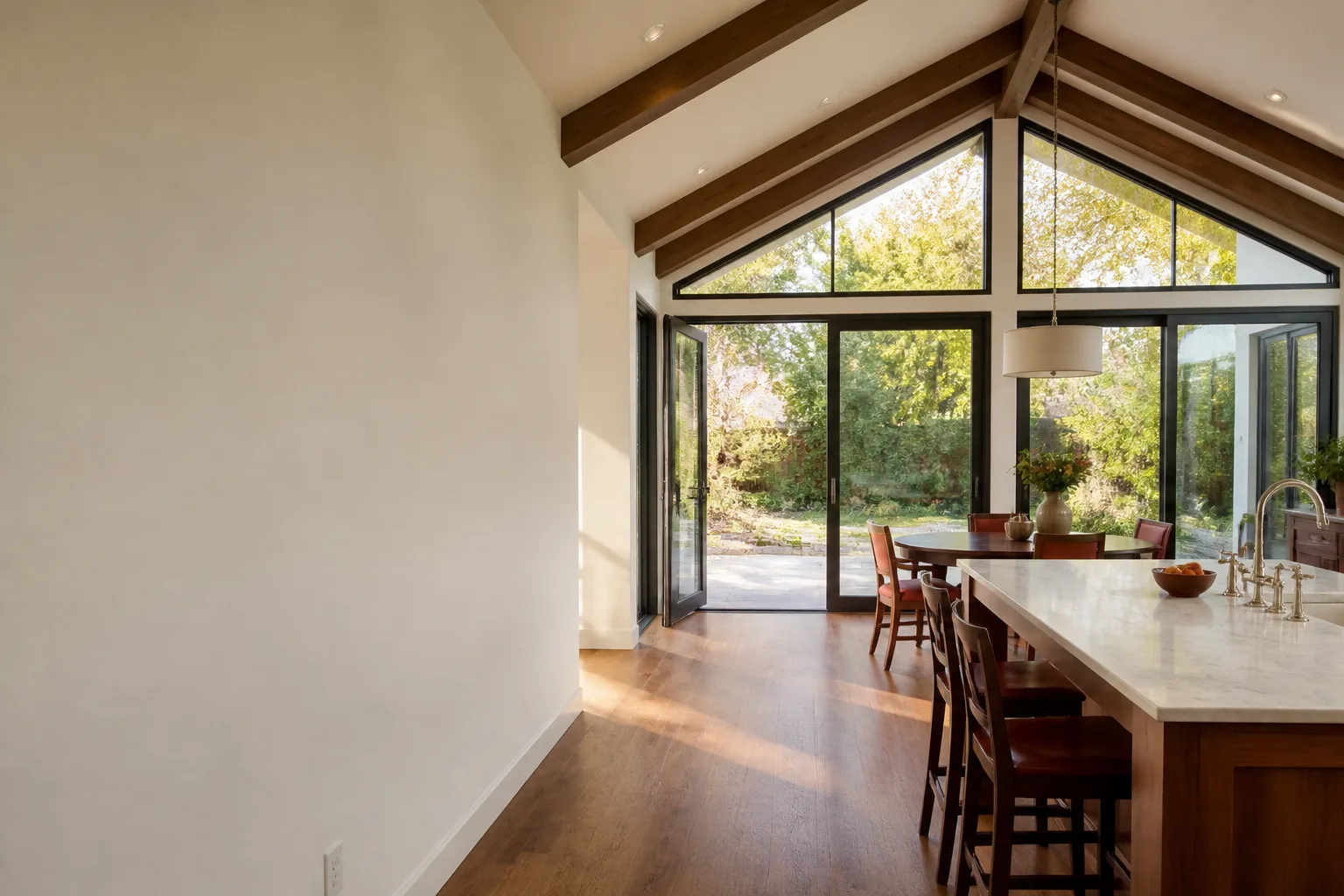
If you’re planning a home addition or ADU in Miami and already own Cover products, you need parts that match your existing setup without forcing you to replace everything else. We stock and install Cover-compatible home addition and ADU components, with full projects typically running $53,100 – $153,400 in the Miami market depending on square footage, foundation work, and finish level. Most homeowners discover they need replacement or matching parts mid-project, when a Cover component fails or they realize the new space won’t integrate with what they already have. We can usually match parts within a few days and get the work scheduled quickly.
Here’s the honest picture: home additions and ADUs in Miami are major structural projects, not weekend jobs. The parts involved include everything from framing hardware and tie-downs to window flashing, door thresholds, and the finish materials that make the new space match your existing home. When a Cover component fails or needs matching during an addition, it’s rarely just a swap-and-go situation. We inspect the existing installation, identify what Cover series you have, and give you a written number before any work starts. That’s how Trevor Nash runs every job, because he’s been on the wrong end of vague estimates before and won’t pass that along to you.
Key takeaways:
- Cover-compatible addition and ADU work in Miami runs $53,100 – $153,400 installed
- We stock common Cover matching parts and can order series-specific pieces quickly
- Every job gets a written price and our 365-Day Done Right Promise before work begins
- We are an independent service provider, not affiliated with Cover
Which Cover Models This Applies To
Cover’s product line isn’t a single universal system, and that’s the first compatibility gotcha most Miami homeowners hit. Cover manufactures components across several series lines, and while some parts interchange, others are dimensionally different by fractions of an inch that matter when you’re tying a new addition into an existing structure. We check the label on your existing Cover components before ordering anything. The model number is usually stamped on the product edge or printed on a sticker that Miami humidity has likely begun to peel. If the label is gone, we measure the part and match it against Cover’s current spec sheets.
For home additions and ADU work specifically, the parts that matter most are the structural connectors, bracket systems, and the finish transition pieces where new meets old. We’ve seen Cover hardware from three different series lines installed in the same Coconut Grove home over the years, each requiring a slightly different adapter or bracket. Going OEM ensures factory tolerances match. Quality aftermarket equivalents exist for some Cover parts and can save you 15 – 25%, but we’ll be straight with you when the savings aren’t worth the fit risk. In Miami’s humid, salt-adjacent air, a slightly-off aftermarket flashing is a leak waiting to happen.
Styles & brands we work with







Signs Your Cover Home Additions & ADU Is Failing
- Water staining where the addition meets the original structure. The flashing or transition piece has failed or was never properly lapped. In Miami’s rainy season, this shows up fast and the underlying framing starts degrading within months.
- Gaps opening at seams or joints. Miami’s heat and humidity cycles cause expansion and contraction. If your Cover components are the wrong series for the load or the substrate shifted, you’ll see gaps that weren’t there at install.
- Doors or windows in the addition sticking or not latching. This usually means settlement or a tie-down issue, especially in areas of Miami with softer soil. The Cover hardware connecting the addition to the main structure may be under-specified for conditions.
- Visible rust or corrosion on metal components. Cover parts are engineered for general use, but Miami’s coastal air is harder on metal than inland Florida. Once corrosion starts on a connector or bracket, its load rating drops.
- Cracking at interior corners or where ceiling meets wall in the new space. This points to a structural connector that has loosened or a bracket that wasn’t properly seated. It often shows up within the first two years if the installation was marginal.
See the difference
 Before
 After
After Before
 After
After Before
 After
AfterReplacement Cost & What’s Included
For full home addition or ADU projects that include Cover-compatible parts, Miami homeowners should plan on $53,100 – $153,400. The spread is driven by square footage, whether you’re building on a slab or doing foundation work, the complexity of the roofline tie-in, and your finish choices. A basic single-room addition on an existing slab lands on the lower end. A full ADU with kitchen, bath, and separate entrance pushes toward the upper end, especially if site work is involved.
Here’s what that number includes: all Cover-compatible structural parts and finish transition components, the labor to integrate new and existing structures properly, and our written 365-Day Done Right Promise. If something fails inside that year, we come back and fix it at no charge. That’s in writing on every project. We also give you a written price before any work starts, so the number on day one is the number on the invoice. No change orders because we miss-specified a connector. No discovery fees after demo day. Trevor’s position on this is simple: give you a number first, then pick up the tools.
| Project Type | Typical Installed Range |
|---|---|
| Home Addition (full scope) | $53,100 – $153,400 |
| ADU Construction | $106,200 – $259,600 |
| Garage Conversion | $35,400 – $94,400 |
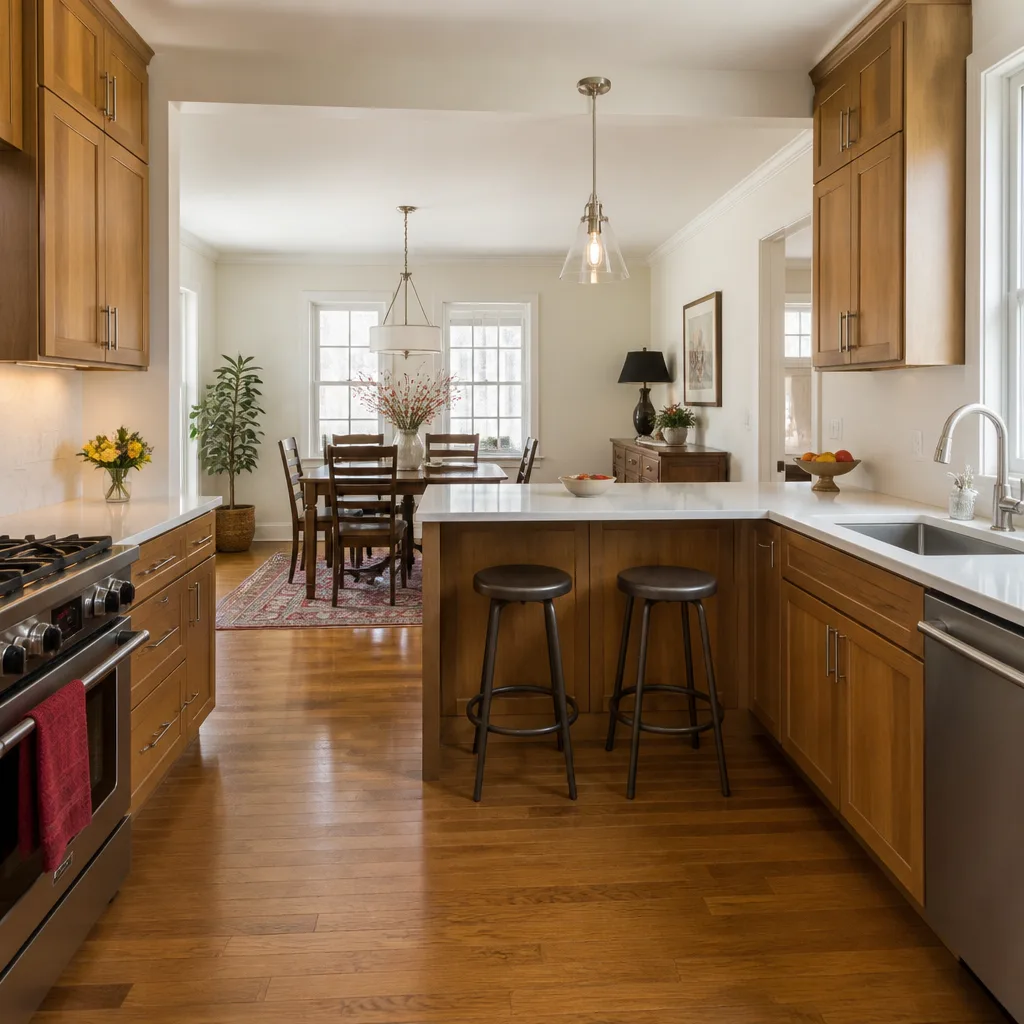
| Kitchen Remodel | $16,520 – $53,100 |
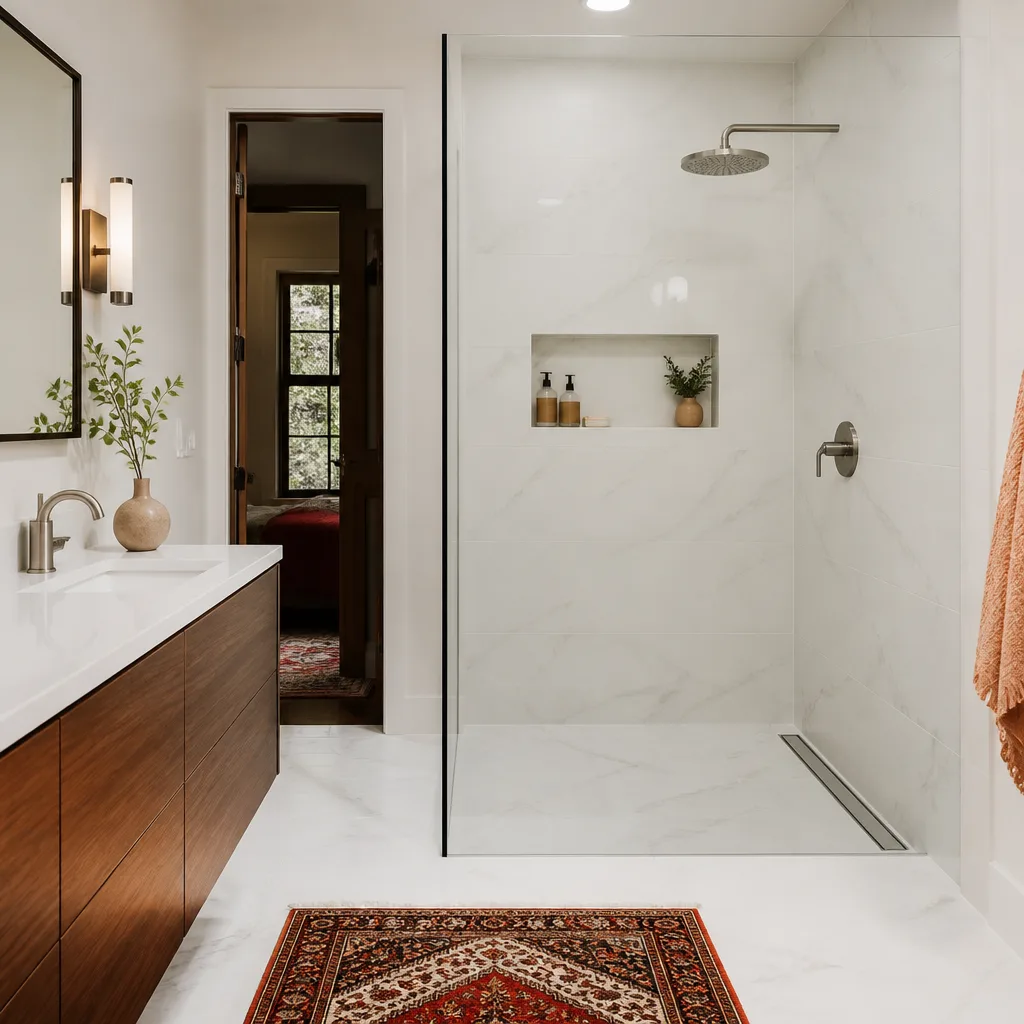
| Bathroom Remodel | $10,620 – $33,040 |
DIY or Call Us?
You can safely do a visual inspection on your own: check for water stains, look for gaps at seams, and note whether doors in the addition still latch cleanly. That tells you something is wrong, and it’s worth doing before you call so you can describe what you’re seeing.
What you should not do is attempt structural fixes yourself. Home addition and ADU work in Miami involves load-bearing connections, tie-downs that have to meet Miami-Dade wind code, and flashing details where a mistake means water intrusion you won’t see until it’s done real damage. A connector that’s under-rated or installed wrong fails suddenly, and in a hurricane zone that’s not a theoretical concern. The tools and training matter here. If you’ve spotted something wrong or you’re planning an addition and want Cover-compatible parts done right, call (850) 988-7559. We’ll come out, look at what you have, and give you a written number before anything else happens.
FAQs

Cover structural components typically last 15 – 25 years in Miami, but coastal exposure and rain-driven water intrusion can cut that shorter if flashing details aren’t maintained. We’ve replaced Cover parts in Coconut Grove homes that were under 10 years old because a small flashing gap let moisture reach the hardware. Regular visual checks after heavy rain are the best early warning.
It depends on what failed. Some flashing and transition pieces can be repaired with proper re-lapping and sealant. Structural connectors and brackets with visible rust, deformation, or movement usually need full replacement because their load rating is compromised and can’t be restored. We’ll tell you which one you’re dealing with after an inspection, and we’ll show you the part so you can see the issue yourself.
A single-room addition with Cover-compatible parts typically takes 8 – 16 weeks from permit to final walkthrough in Miami, depending on scope and inspection scheduling with the city. A full ADU can run 4 – 8 months. Part replacement within an existing structure, like a failed connector or flashing piece, is usually a 1 – 3 day job once parts are on hand. Call (850) 988-7559 for an exact timeline on your project, estimates are free.
We stock common Cover matching components and the finish transition pieces we use most often on Miami additions. Series-specific hardware, especially for older Cover lines, usually needs to be ordered, which adds a few days to the schedule. We’ll confirm availability before we give you a start date, and your written price includes the parts cost so there are no surprises when the order lands.
Written by Trevor Nash, Owner, Penhallow Remodeling Miami at Penhallow Remodeling Miami, serving Miami and nearby areas.


