


Free written scope consultation - allowances, timeline, and change-order rules on paper before a single trade is scheduled
CWS Home Additions & ADU: The Miami Owner’s Guide
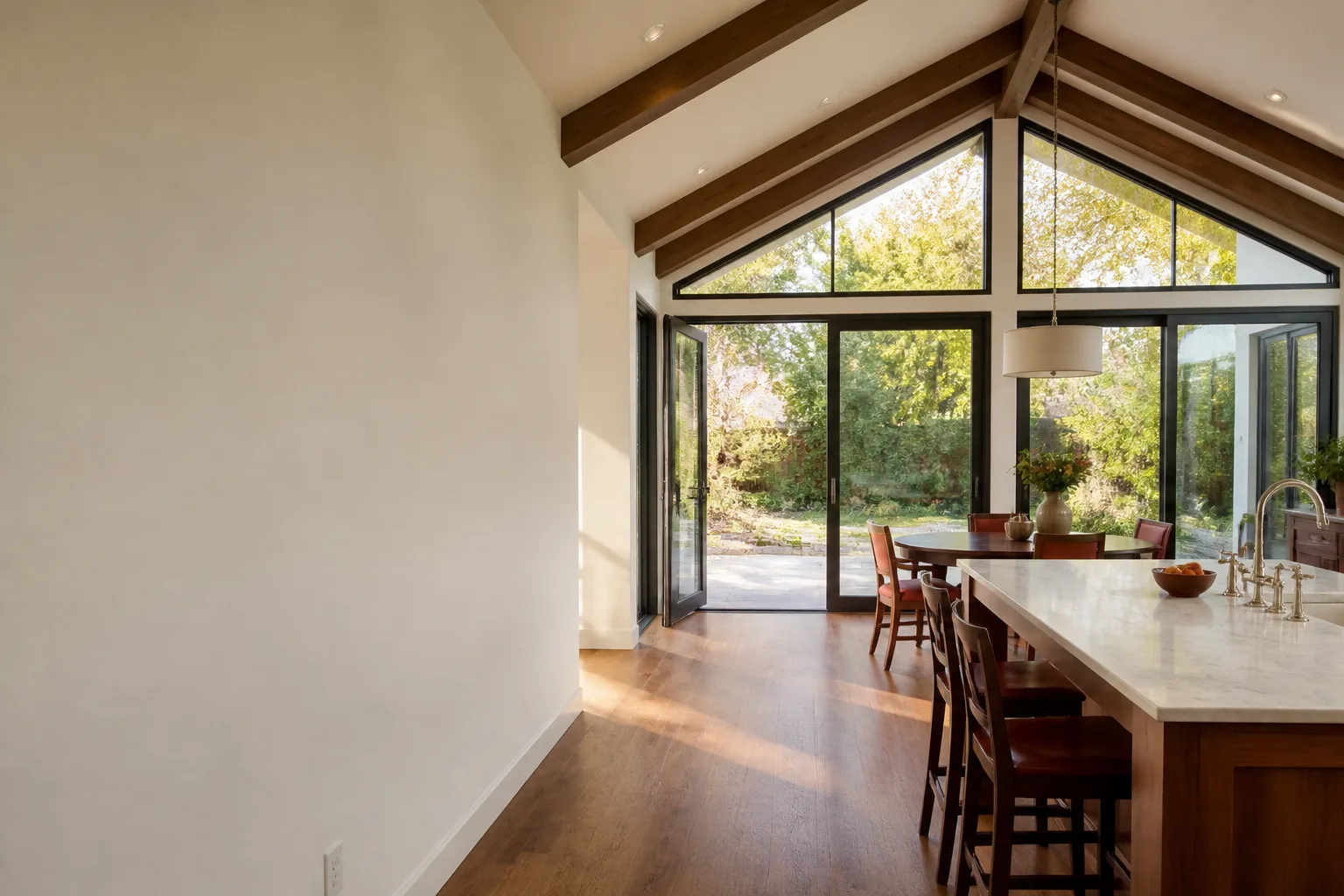
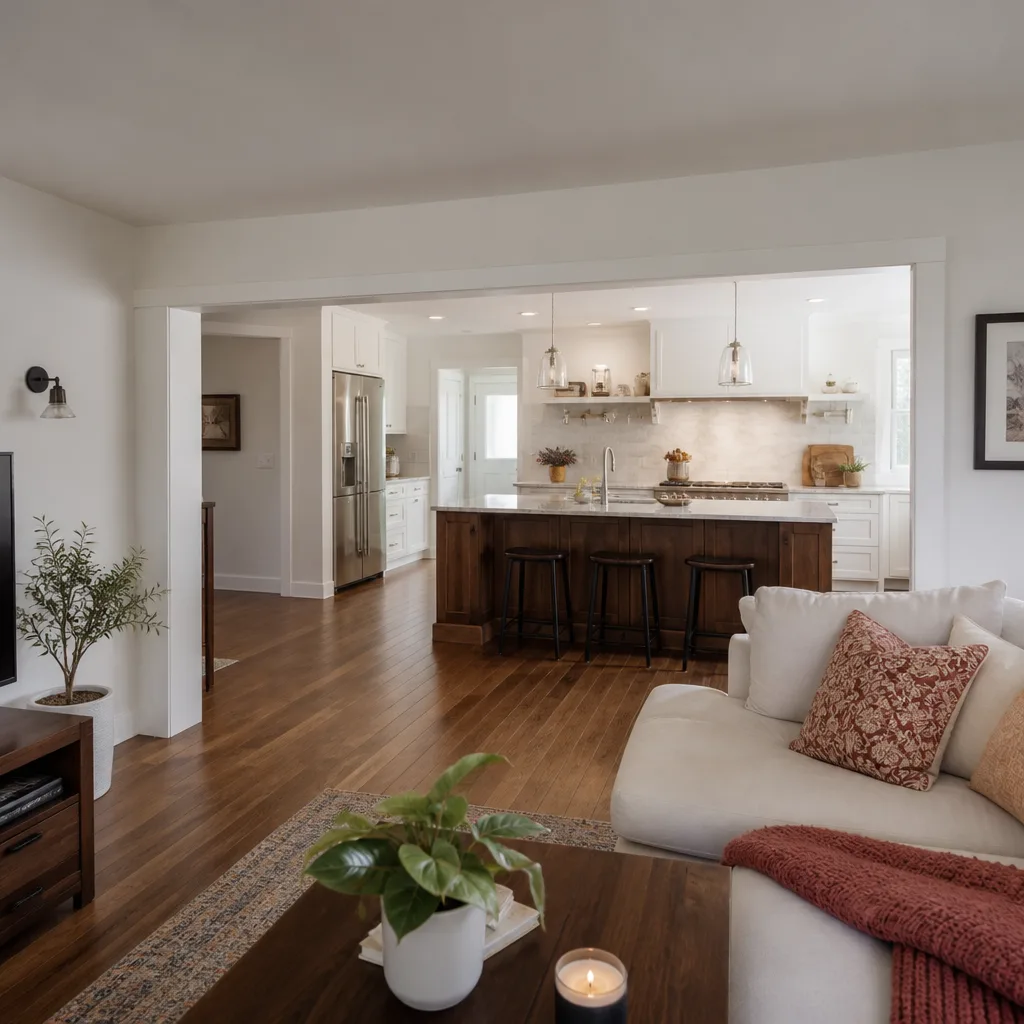
We install and replace CWS-compatible home additions and ADU components across Miami, with complete CWS home additions and ADU projects typically running $53,100 – $153,400 depending on structural scope, foundation work, permits, and finish level. Most homeowners call us after noticing cracked drywall at the original structure’s seam, sagging rooflines where the addition ties in, or water staining at the transition point between the existing home and the addition. The failure pattern we see most often in Miami is a flashing failure at that transition point, followed by subtle settling that pulls the addition away from the primary structure by a quarter inch or so.
Penhallow Remodeling Miami is an independent service provider. We’re not affiliated with CWS, but we work on and install their addition and ADU systems, and we match materials, framing, and tie-in details to the existing construction so the finished work holds up to Miami’s humidity, storm season, and shifting soil conditions.
Which CWS Models This Applies To
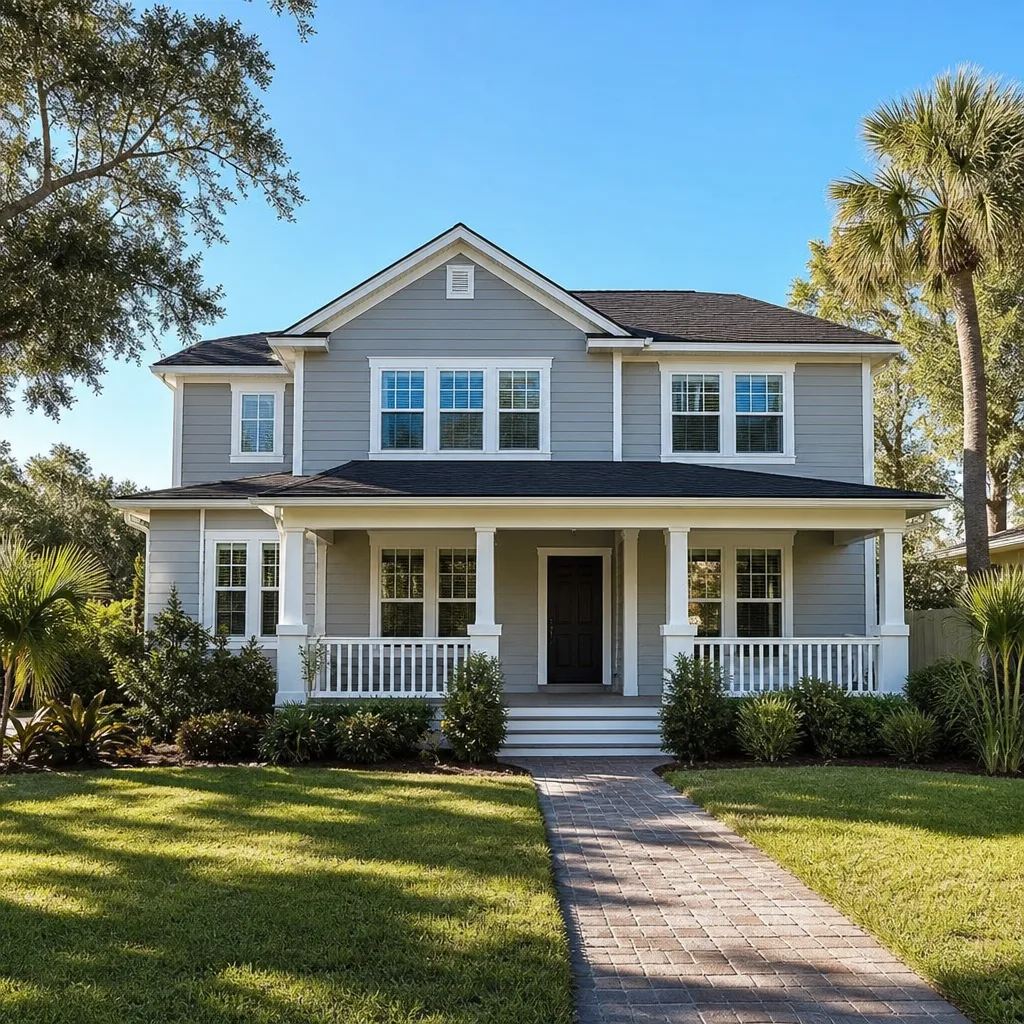
CWS home additions and ADU components are not universal. The tie-in hardware, ledger flashing, and truss connectors differ between series, and matching the wrong one creates exactly the kind of slow failure that brings homeowners to us in the first place. When we walk a job, the first thing we do is check the stamp on the original permit paperwork, then verify the existing framing dimensions. CWS addition systems from the mid-2000s through present use varying wall assembly thicknesses, and a 2×4 wall addition does not marry cleanly to a 2×6 CWS frame without a properly detailed transition.
For Miami homeowners, the practical compatibility gotcha is this: if your original addition was permitted before 2012, it was likely framed with different uplift strapping than what current Miami-Dade wind load codes require. That matters when you’re replacing a rotted ledger or re-tieing a roofline. We specify the current code-compliant connector and build the transition so it holds through the next hurricane season, not just until the next inspection.
On parts, we source OEM CWS fasteners, flashings, and connectors where they’re available and the best choice. Where a quality aftermarket equivalent performs equal or better at lower cost, we say so plainly and put the brand and spec on your written estimate. We stock common CWS tie-in parts on the truck: galvanized ledgers, structural screws, joist hangers, hurricane straps, and peel-and-stick flashing.
Styles & brands we work with







Signs Your CWS Home Additions & ADU Is Failing
- Cracking at the seam where the addition meets the original house. This is the classic symptom. The addition settles at a slightly different rate than the original slab, and the drywall at that joint cracks first. It can be cosmetic, but it’s usually the first signal that the tie-in is moving.
- Water staining or soft drywall at the transition point. Flashing at the addition’s roofline-to-wall intersection fails before anything else. In Miami’s afternoon downpours, a failed flashing channels water straight into the wall cavity, and by the time you see the stain, the framing behind it has been wet for months.
- A door or window inside the addition that now sticks or won’t latch. That’s structural movement, not humidity. If the floor framing settles or the header deflects, the rough opening gets slightly out of square and the door binds. It won’t fix itself, and planing the door only masks the problem.
- Sagging at the roofline where the addition roof ties into the original roof. The hip or valley where the two roof planes meet carries concentrated load. If the original connector was under-specified or now corroded, that line starts to dip. In heavier storms, that’s where leaks start.
- A visible gap at the exterior where the two wall planes meet. In Miami, the exterior transition should be caulked and sealed with a flexible joint. When the seal dries, shrinks, or splits, you’ll see daylight or feel drafts. That gap is also a water path, which means rot starts in the wall sheathing.
See the difference
 Before
 After
After Before
 After
After Before
 After
AfterReplacement Cost & What’s Included

For Miami, a complete CWS home addition runs $53,100 – $153,400 installed. That range covers everything from a modest single-room bump-out with simple tie-in work to a full ADU with its own electrical panel, plumbing rough-in, kitchen, and bath. A partial repair, like replacing a failed flashing system and repairing the damaged framing behind it, runs $4,720 – $15,340 depending on how far the rot has spread and whether we’re re-roofing that section.
What drives the cost up or down: foundation type (slab-on-grade versus elevated, which matters in flood-prone parts of Miami), the structural complexity of the tie-in, the finish package, and whether we’re pulling permits against current wind-load codes. What’s always included: a written price before any work starts, a defined arrival window, permits pulled and inspections scheduled where required, and our 365-Day Done Right Promise in writing. If the work fails inside a year, we come back and make it right at no charge.
DIY or Call Us?
A homeowner can safely do some inspection work: look for visible cracks at the seams, check for water staining on interior ceilings near the transition, and look for exterior caulking that has split or pulled away. What you shouldn’t do is attempt structural repair yourself. Re-shimming a settled addition, replacing a ledger, or re-tieing roof framing involves working with loaded structural members. Get the temporary jacking wrong and you can crack the slab, the walls, or both. We’ve seen one homeowner in Coconut Grove try to “just tighten” a sagging connection and put a crack through the original home’s exterior wall in under an hour.
If you suspect a tie-in problem or a failing flashing, call (850) 988-7559. We’ll inspect it, tell you what’s actually wrong, and give you a written number before any tools come off the truck.
FAQs

A properly built and flashed CWS addition lasts 40 – 60 years in Miami, but the flashing and exterior sealants at the tie-in point typically need replacement every 10 – 15 years due to UV exposure and driving rain. Call (850) 988-7559 if your addition is past that age and you’re seeing any of the warning signs above.
In most cases, yes. The failure we see is almost always localized: failed flashing, rotted sheathing, or a compromised connector. We cut out the damaged section, reframe what’s rotted, and re-tie the structure. Full replacement is only needed when the movement has been ignored for so long that the framing has twisted. Call (850) 988-7559 for an honest assessment and a written repair quote.
A flashing replacement with minor framing repair usually takes 2 to 3 days. A full tie-in reinforcement or a partial roof-structure repair runs 5 to 10 days depending on scope and weather. We give you a written arrival window before any work starts, and we stick to it. Call (850) 988-7559 to schedule an inspection.
We stock common CWS-compatible tie-in parts on our trucks: galvanized ledgers, structural screws, joist hangers, hurricane straps, and flashing. Specialty connectors and full wall assembly components are ordered for your specific project, usually arriving within 3 to 5 business days. Call (850) 988-7559 and we’ll tell you what’s on the truck and what needs to be ordered before we quote the job.
Written by Trevor Nash, Owner, Penhallow Remodeling Miami at Penhallow Remodeling Miami, serving Miami and nearby areas.


