


Free written scope consultation - allowances, timeline, and change-order rules on paper before a single trade is scheduled
Master Halco Home Additions & ADU: The Miami Owner’s Guide
We handle Master Halco home additions and ADU projects throughout Miami, with full-room additions running $53,100 – $153,400 and standalone ADUs starting around $106,200. Most homeowners only discover a problem after noticing a door that won’t close square, hairline cracks tracing across the drywall, or a roofline that’s started to droop. When that happens, you need to know whether the issue is cosmetic or structural, and what a repair versus a full replacement actually costs in this market.
Here’s the reality of Miami construction: the same heat and humidity that makes your garden explode also works on wood framing and fasteners. A Master Halco structure that’s seen ten-plus Miami summers will show it in the connections first. We’ve walked through homes in Coconut Grove where the addition was built well but the original tie-downs had rusted through, and the homeowner had no idea until a wind event made it obvious. That’s the kind of thing Trevor Nash looks for on every walkthrough.
Which Master Halco Models This Applies To
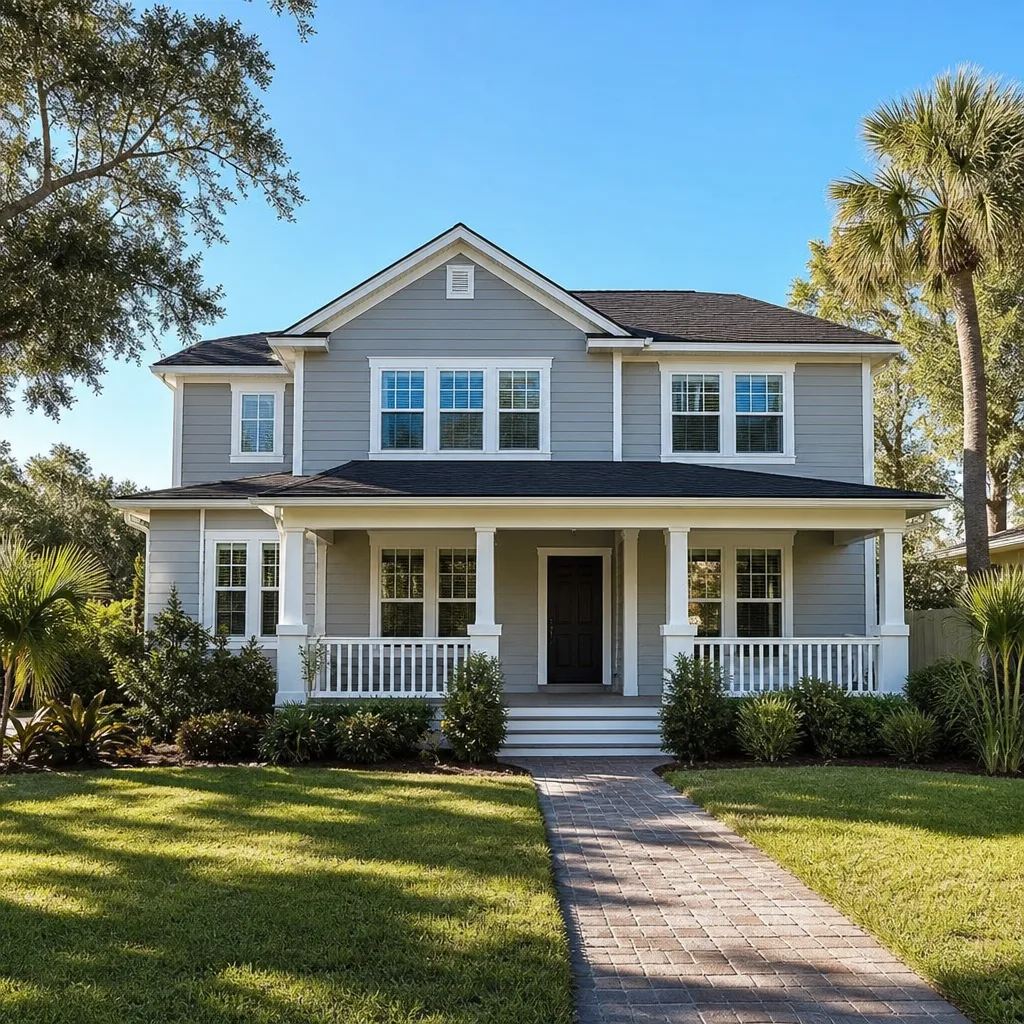
Master Halco builds several structural lines used in home additions and ADUs across Miami, most commonly their post-frame systems, treated lumber packages, and fence/rail products that double as structural finishes. The compatibility gotcha most owners hit is that Master Halco changed their treated lumber treatment process in the last decade, and newer components don’t always match older fasteners. If your addition predates 2015, mixing new hangers with old lumber can cause galvanic corrosion at the connection point.
Identifying your specific components is easier than most people think. Look for the Master Halco stamp on exposed lumber ends in the attic or crawl space, or on the post bases if you have a pier foundation. Measure the actual dimensional lumber, not what the label says: a nominal 2×6 may actually be 5½” wide in newer stock but 5⅝” on older mill runs. That quarter-inch matters when you’re sistering joists or replacing a rotted sill plate.
When it comes to OEM versus aftermarket for Master Halco components, the honest answer depends on the part. For structural connectors like post caps and tension ties, we use manufacturer-specified equivalents that meet the same load ratings, because Master Halco doesn’t manufacture most of those items directly. For treated lumber, we buy Master Halco or equal-grade from the same distributors Miami lumberyards use. The warranty lives with the installation, not the piece of wood.
Styles & brands we work with







Signs Your Master Halco Home Additions & ADU Is Failing
- Doors and windows that suddenly stick or won’t latch. This usually means the header or king stud has moved, often from moisture swelling or fastener corrosion. Wood doesn’t fail overnight; it fails over years, and the door is the first thing to tell you.
- Drywall cracks that keep opening after patching. If you patch a crack and it returns in six weeks, the framing behind it is moving. In Miami, that’s frequently a sign of foundation settlement or a rim joist that’s lost its connection to the sill plate.
- A roofline that’s visibly concave between peaks. This indicates a rafter or truss has weakened, typically from a roof leak that soaked the top chord. By the time you see sag from the street, you’re months past an easy repair.
- Soft spots in exterior walls near the base. South Florida humidity and heavy rains mean any gap in flashing lets water sit against the bottom plate. If a screwdriver sinks into the sill with light pressure, that section of wall is no longer carrying its load.
- Separating at the seam where the addition meets the original house. All additions settle differently than the original structure, but if you can see daylight through the seam or caulk keeps splitting, the connection needs real attention, not more sealant.
Replacement Cost & What’s Included

In Miami, a full home addition using Master Halco-compatible structural components lands between $53,100 and $153,400. An ADU construction project runs $106,200 to $259,600 depending on size, foundation work, and whether you’re tying into the original home’s utilities or running new lines from the street.
What drives the number: foundation type (slab on grade is usually cheapest, piers and elevated are more, and anything requiring soil remediation in Miami’s sandy lots adds real cost), roofline complexity, electrical service capacity, and whether the existing home’s panel can handle the added load or needs an upgrade. Our written price includes the framing lumber, structural connectors, sheathing, fasteners, labor, and cleanup. If your project requires engineered drawings, we coordinate that separately and tell you up front so there’s no surprise line item.
Every home addition and ADU we build carries the 365-Day Done Right Promise. If something fails inside that year, we come back and fix it at no charge. It’s in writing before we pick up a tool.
See the difference
 Before
 After
After Before
 After
After Before
 After
AfterDIY or Call Us?
A homeowner can safely do three things before calling: check for visible water staining on exposed framing, look for rust on metal connectors in the crawl space, and note which doors or windows have started binding. That gives us a starting point.
Beyond inspection, this work is not a DIY project. Replacing a load-bearing wall member or tension tie involves temporarily supporting the structure above it. If that support shifts, the failure is sudden and it involves the part of the house holding the roof up. It also involves building permits in every Miami jurisdiction. We pull permits on every structural job, and the inspections that follow are part of what you’re paying for.
If you’re seeing any of the symptoms above, call (850) 988-7559. Trevor will walk the site, give you a number first, then pick up the tools. Free estimates, written line-item pricing, and no pressure to decide on the spot.
FAQs

A properly built Master Halco home addition in Miami should last 40 to 60 years with regular maintenance, but the fasteners and flashing typically need attention every 15 to 20 years due to salt air and humidity. Call (850) 988-7559 and we’ll tell you the honest condition of yours before recommending any work.
In many cases, yes. Isolated rotted sill plates can be sectioned out, and individual rafters can be sistered rather than replaced. A full replacement is only necessary when multiple members have lost structural integrity. We’ll show you exactly what condition each piece is in before quoting anything.
A home addition takes four to eight months from permit to final inspection. Smaller ADU conversions can be done in three to five months when the garage shell is sound and you’re not moving utility lines. Miami’s permitting offices add time compared to less regulated markets, and we’ve been through that process often enough to know the realistic timeline.
We don’t warehouse full lumber loads on site, but we pull materials from the same Miami lumberyards and distributors that supply every Master Halco-compatible project in the region. Structural connectors, treated lumber, fasteners, and sheathing are typically on hand within 48 hours of contract signing.
Contact Penhallow Remodeling Miami
If your Master Halco home addition or ADU is showing signs of failure, the fastest way to a straight answer is a phone call. A live person answers at (850) 988-7559 every time, day or night. We’ll schedule a walkthrough, give you a written price before any work starts, and show up in the window we said we would. Background-checked, uniformed technicians on every visit, every time. Penhallow Remodeling Miami is an independent contractor and is not affiliated with Master Halco.
Written by Trevor Nash, Owner, Penhallow Remodeling Miami at Penhallow Remodeling Miami, serving Miami and nearby areas.


