




Free written scope consultation - allowances, timeline, and change-order rules on paper before a single trade is scheduled
Oldcastle Home Additions & ADU: The Miami Owner’s Guide
If you’re researching an Oldcastle home addition or ADU in Miami, the installed cost typically runs $53,100 – $153,400 depending on square footage, site prep, and structural work. Penhallow Remodeling Miami installs and services Oldcastle-compatible additions and ADUs, and we can usually schedule a site visit within a few days of your call. Most owners contact us after noticing one of a few things: a listing corner pulling away from the main house, moisture staining at the roofline, a door that suddenly binds in its frame, or a floor that has developed a soft spot near the addition’s edge.
We’re an independent Miami contractor, not a division of Oldcastle, but we work with their product lines regularly and know how these additions behave in South Florida’s heat, humidity, and hurricane-season rainfall. Trevor Nash has been candid with homeowners about what these structures need here: proper flashing at the tie-in, hurricane-rated anchoring, and a foundation that can handle Miami’s shifting soil. Give you a number first, then pick up the tools.
Which Oldcastle Models This Applies To

Oldcastle’s home addition and ADU lines span a few distinct series, and the compatibility gotcha is real: the anchor bolt pattern and sill plate dimensions changed between the early 2010s builds and the current generation. The older series used 1/2-inch wedge anchors at 48-inch centers; the newer lines moved to 5/8-inch anchors at 32-inch centers with a wider treated sill. If you’re replacing a failing section or tying into an existing slab, that bolt pattern matters, and it’s not listed on any single label. We measure it on site.
To identify what you have, look for a stamped metal tag on the bottom track or sill plate, usually near the original hinge corner. It will carry a four-digit series code. The two most common in Miami are the 7800 series (older, narrower sill, prone to seal failure at the tie-in) and the 9200 series (current, wider sill, better drainage plane detail). Aftermarket sill gaskets and flashing kits are available for both, but any structural tie-in repair should use OEM-grade hardware. The aftermarket stuff that shows up at big-box stores is fine for sealing, not for anchoring.
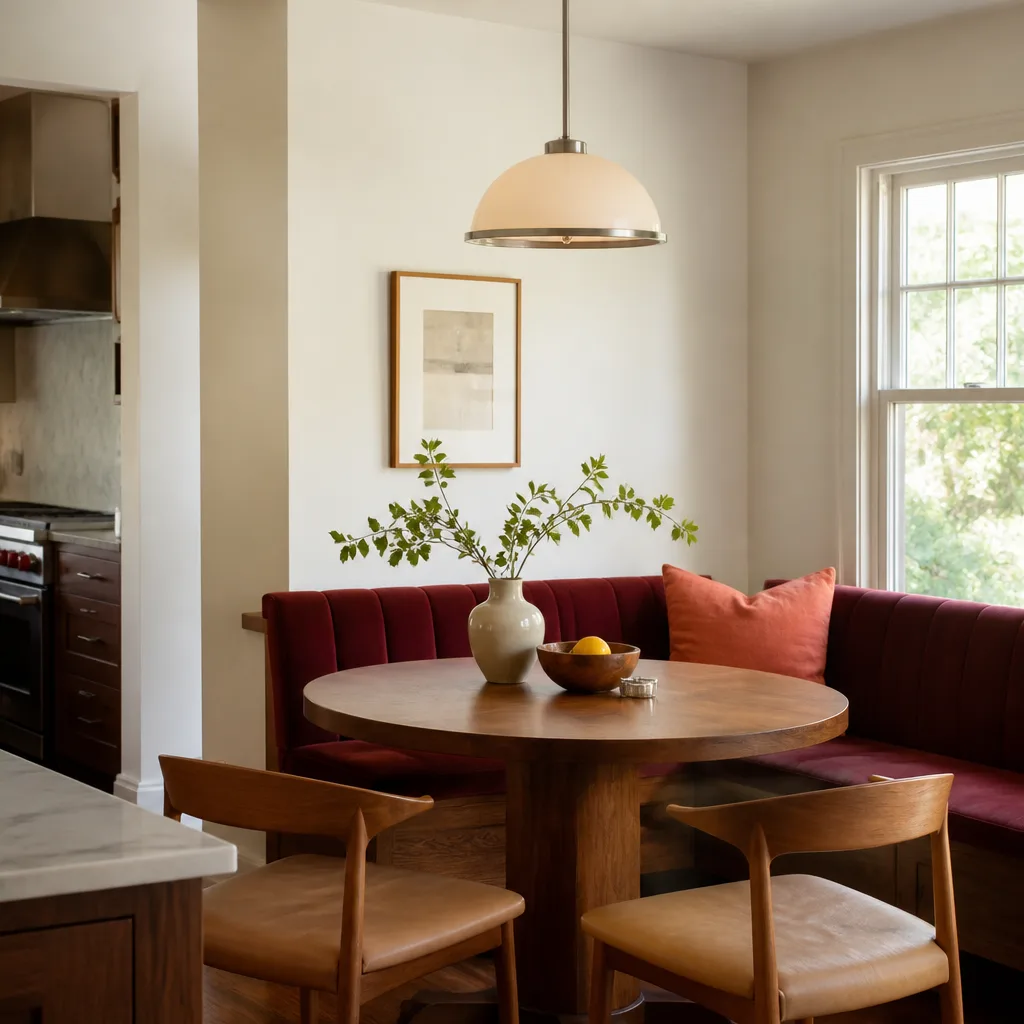
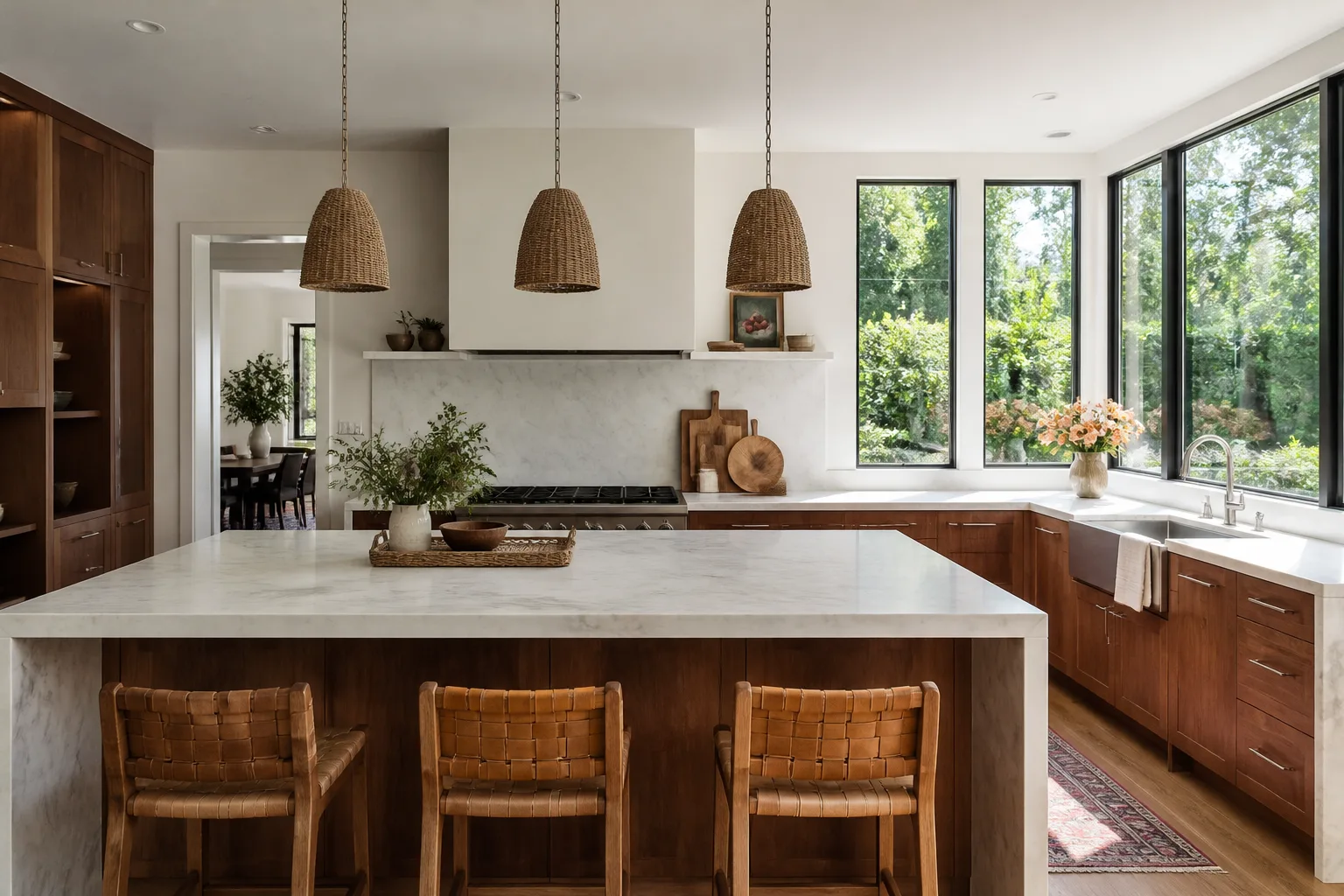
We also stock compatible parts for KraftMaid, Cambria, and Silestone installations when a kitchen or bath happens to be part of the same project.
Styles & brands we work with







Signs Your Oldcastle Home Additions & ADU Is Failing
- Separation at the tie-in joint. You see daylight or a widening gap where the addition’s wall meets the original house. This is almost always foundation movement or a failed anchor pattern. In Miami, expansive clay and seasonal water table shifts make this the most common failure we see, especially in Coconut Grove’s older lots.
- Doors or windows that stick seasonally. A door that binds in summer and frees up in winter points to frame racking. The addition is settling unevenly. It’s not the door’s fault, and planing it down will only mask the structural shift underneath.
- Musty smell or staining at the baseboard. Water is finding its way in at the sill plate or through the flashing at the roof tie-in. Oldcastle’s older 7800 series had a habit of trapping moisture behind the bottom track in humid weather. Miami’s summer humidity turns a small leak into mold quickly.
- Soft spots in the floor near exterior walls. Subfloor rot, usually from that same sill-level water intrusion. By the time you feel a soft spot, the damage beneath is further along than most people expect.
- Popping or creaking sounds during temperature swings. Thermal expansion is normal, but a rhythmic pop that happens in the same spot every morning or evening suggests a metal connector that has worked loose. Left alone, it chews the hole bigger every cycle.
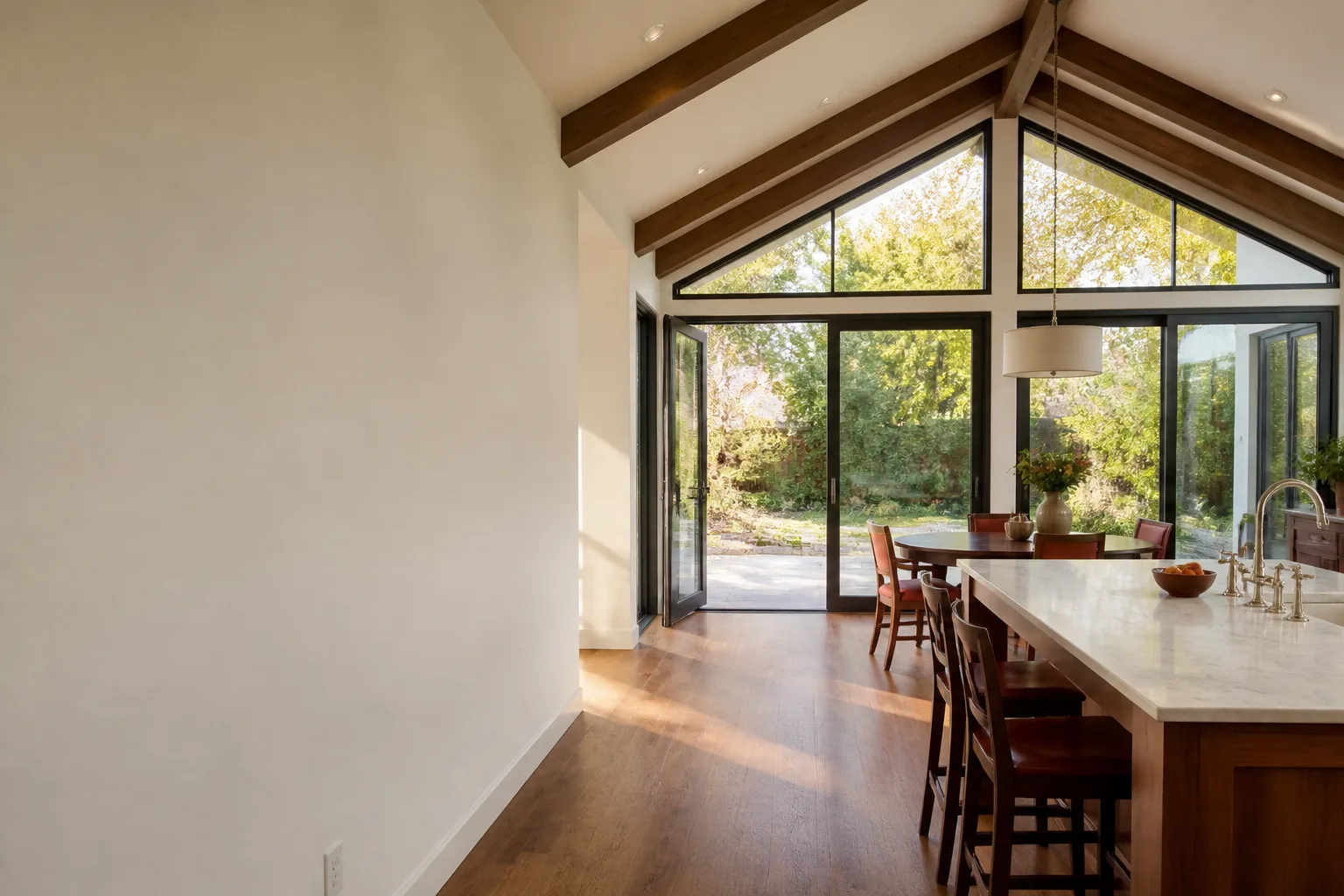
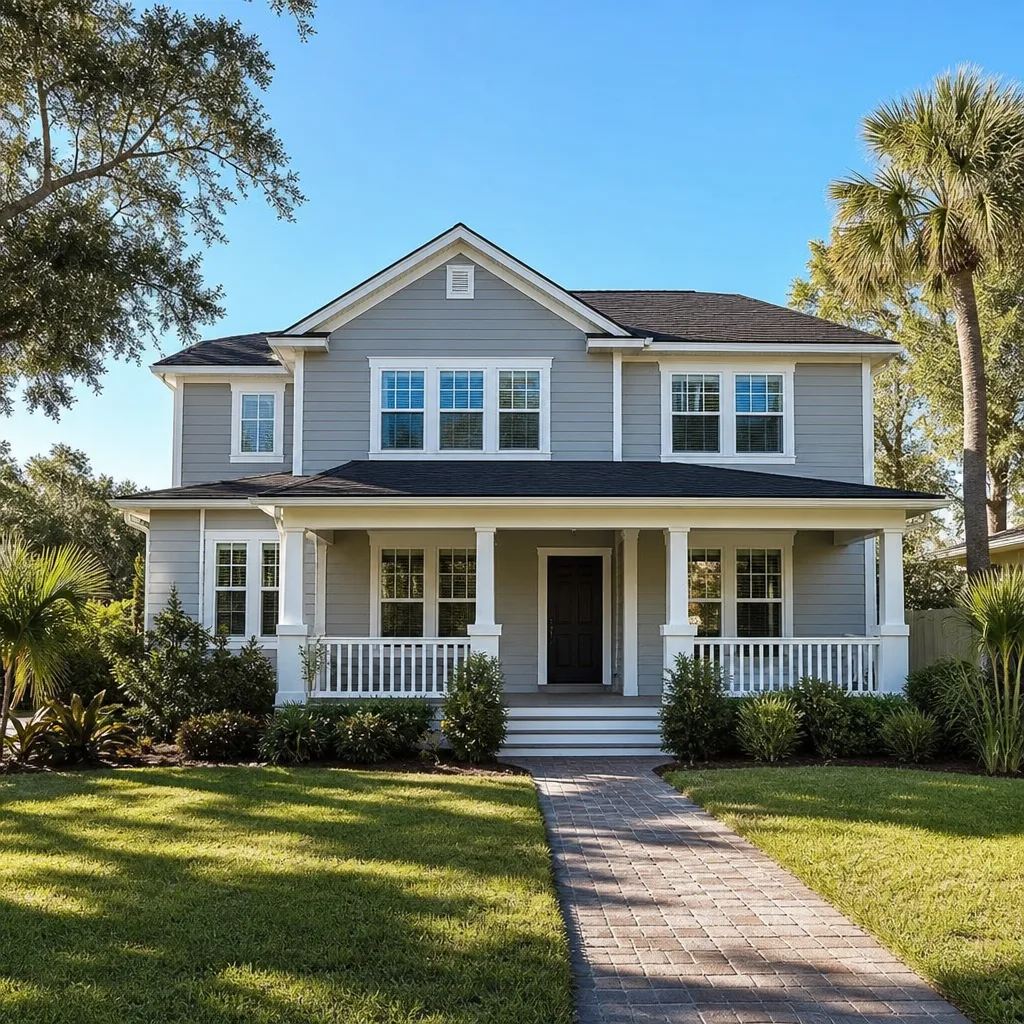
See the difference
 Before
 After
After Before
 After
After Before
 After
AfterReplacement Cost & What’s Included

For a full Oldcastle-compatible home addition or ADU replacement in Miami, the installed range is $53,100 – $153,400. At the lower end, you’re looking at a straightforward rebuild of a small addition (300 – 500 square feet) with standard finishes and no major foundation repair. The upper end includes larger ADUs, structural foundation work, updated hurricane tie-downs, and higher-end interior finishes. Where your project lands depends on three things: square footage, what we find when we open the walls, and how much site work the slab needs.
Every quote we give is written before work starts. You’ll see the parts cost, the labor, the permit fees if applicable, and the allowance for finish materials, all itemized. There are no change orders invented mid-project, and if we find something we didn’t budget for, we stop and talk to you before spending another dollar. The work carries our 365-Day Done Right Promise in writing: if something fails inside a year, we come back and fix it at no charge.
DIY or Call Us?
There are things an owner can check safely: look for visible gaps at the tie-in, run a level across the floor at the addition’s outer corners, note whether doors stick in a seasonal pattern. That’s useful information to have when you call.
What you shouldn’t do is attempt structural repairs, sill replacement, or re-anchoring without the right equipment and a permit. These sections are under continuous load, and removing the wrong anchor sequence can shift the entire addition. That’s a five-figure problem made worse, not better. If your Oldcastle addition or ADU is showing separation or moisture signs in Miami, call (850) 988-7559 and we’ll schedule a site visit. The estimate is free, and you’ll get a written number you can hold us to.
FAQs
A properly installed Oldcastle addition or ADU typically lasts 40 – 60 years structurally in Miami’s climate, but the original tie-in flashing and sill seals often need attention by year 15 – 20. Miami’s combination of heavy summer rain, high humidity, and hurricane winds ages the weatherproofing details faster than the framing. Call (850) 988-7559 if you’re seeing early separation or moisture issues, and we’ll assess what’s actually failing.
Yes, in many cases. If the framing is sound and the issue is isolated to the tie-in flashing, anchor bolts, or sill plate, a targeted repair can return the addition to full function for a fraction of replacement cost. The decision comes down to what we find when we expose the affected area. Estimates for those repairs are free, and we’ll show you exactly what we found before quoting anything.
Most full replacements in Miami run four to eight weeks from permit approval to final inspection. Smaller structural repairs at the tie-in or sill line usually finish in three to seven working days. You’ll get a written schedule with your written price, including the arrival window for our crew, so you know what to expect before we start.
We keep the common failure-point parts on hand: sill gaskets, anchor hardware, flashing kits, and tie-in brackets for both the 7800 and 9200 series. Specialty structural components are ordered directly from the manufacturer or a Miami distributor, typically arriving within a few days. Call (850) 988-7559 and we can check our truck stock while you’re on the phone.
Written by Trevor Nash, Owner, Penhallow Remodeling Miami at Penhallow Remodeling Miami, serving Miami and nearby areas.


