



Free written scope consultation - allowances, timeline, and change-order rules on paper before a single trade is scheduled
Silestone Home Additions & ADU: The Miami Owner’s Guide
Silestone-compatible home additions and ADU projects in Miami typically run $53,100 – $153,400 when we handle the full scope, from framing and rough-in through countertop fabrication and finish work. The number lands where it lands based on square footage, foundation condition, whether we’re tying into existing plumbing, and how much Silestone surface you want in the finished space. Most homeowners contact us because the addition they planned around an existing Silestone kitchen or bath suddenly requires matching slabs, seam work, or edge profiles that a general remodeler can’t source properly. That’s the part nobody warns you about until the wall comes down.
We’re an independent remodeling contractor serving Miami and nearby communities. We’re not affiliated with Silestone (that’s a Cosentino brand), but we fabricate and install their quartz surfaces regularly, which means we know exactly how the material behaves during a structural addition: how it shims, how it seams, how it reacts to Miami’s humidity during the cure window. That knowledge matters more than most people expect.
Which Silestone Models This Applies To
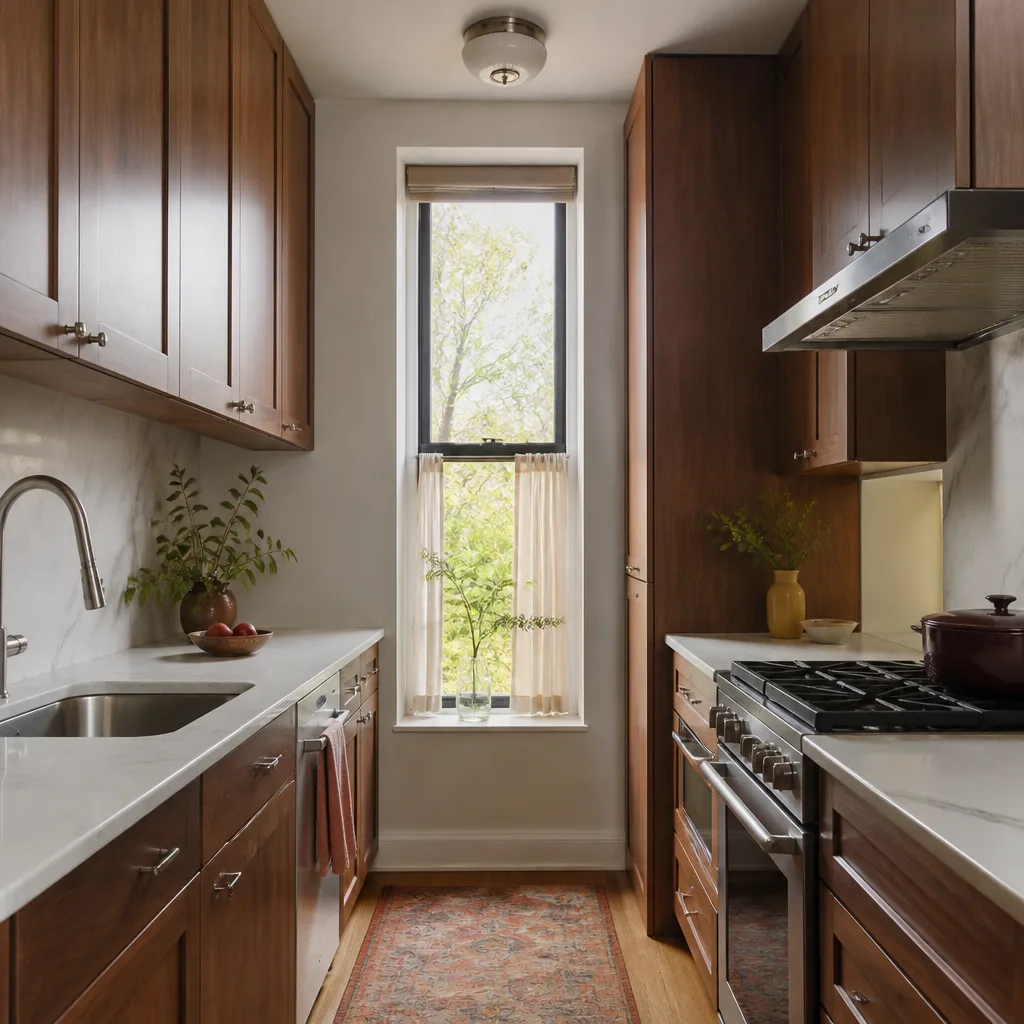
Silestone isn’t a single product line. It’s a quartz family that spans dozens of colors and three finish categories: polished, suede (matte), and volcano (textured). For additions and ADUs, the compatibility question isn’t about a model number stamped on your existing countertop. It’s about matching the color lot, thickness, and edge profile of what’s already in your home. Silestone slabs come in 2cm and 3cm thicknesses. The 3cm is what most Miami fabricators, including us, recommend for kitchen islands and heavy-use surfaces because it doesn’t need a plywood subtop. The 2cm saves weight but almost always requires lamination at the edge to build the visual bulk.
Here’s the compatibility gotcha most homeowners miss: Silestone discontinues colors without much warning. If your existing Silestone is a retired color, a seamless match may be impossible, and you’re left either finding a close cousin in the current lineup or replacing the whole run so the addition doesn’t look like a patch job. We check that before we give you a price. For OEM versus aftermarket: the slab is always OEM Cosentino product. The sink, fixtures, and hardware can be OEM or quality equivalents like Kohler and Moen, which we source regularly. There’s no legitimate “aftermarket Silestone.” If someone offers you that, walk away.
Styles & brands we work with







Signs Your Silestone Home Additions & ADU Plan Is Failing Before It Starts
- Your original fabricator won’t return calls about matching your existing color: This is the most common failure point. Silestone color lots shift slightly between production runs, and only a fabricator with a current Cosentino account can pull the exact lot information. We handle this before framing starts.
- The addition’s floor height doesn’t match the existing slab elevation: Miami homes on crawl spaces settle differently than homes on slab. If your addition is planned 3/4-inch off from the existing kitchen floor, the countertop run will show it. We laser-level every existing Silestone surface before we pour or frame.
- Humidity damage at the seam of your existing Silestone: Miami’s average humidity sits near 75% most of the year. If the original seam wasn’t sealed with the right adhesive, moisture works into the joint and darkens it. An addition that bumps into that seam will fail the same way unless the adhesive is redone.
- Your existing countertop has a hairline crack radiating from a sink cutout: Quartz is tough but not indestructible. A stress crack near the sink means the original fabricator cut the corner too tight or didn’t radius the inside corner properly. When we tie a new run into that area, the crack has to be addressed or it travels.
- The contractor you’re talking to hasn’t asked which way your existing Silestone runs: Slab patterns have directionality. Veined colors like Et Marquina and Eternal Charcoal read differently depending on how the slab was cut. A competent addition plan accounts for grain direction across the seam. If they haven’t asked, they haven’t done this before.
See the difference
 Before
 After
After Before
 After
After Before
 After
AfterReplacement Cost & What’s Included

For a full home addition or ADU in Miami, the $53,100 – $153,400 range covers the project from the first inspection to the final Silestone wipe-down. What moves the number: your foundation type (slab is cheaper than raised), roofline complexity (a simple gable costs less than tying into an existing hip roof), and how many linear feet of Silestone surface you want fabricated. The Silestone itself typically runs $55 – $110 per square foot fabricated and installed, depending on color tier and edge treatment. A standard kitchen’s worth of Silestone in an ADU adds roughly $4,000 – $9,000 to the project.
Every quote from Penhallow Remodeling Miami is written before we start. It includes the demolition, haul-away, framing, drywall, plumbing rough-in, electrical, flooring tie-in, cabinet installation if needed, Silestone fabrication and install, and cleanup. The number on the written estimate is the number on the invoice. If something changes mid-project, we tell you in writing before the change happens, not after. And the work carries our 365-Day Done Right Promise: if the Silestone seam separates, the addition settles, or anything we touched fails inside the guarantee period, we come back and fix it at no charge. That’s in writing on every project we touch in Miami.
DIY or Call Us?
Here’s the honest split. You can measure your existing Silestone thickness with a tape measure, note the color name from the underside label if it’s still legible, and send us photos of the seam and sink cutout. That helps us bid accurately before we ever set foot in your home. What you shouldn’t do is attempt to remove, cut, or re-seam quartz yourself. Silestone is dense and heavy. A full slab weighs close to 900 pounds in a typical kitchen run. The diamond tooling required to cut it cleanly costs more than the fabrication labor we’d charge, and a botched cut ruins a $1,200 slab in seconds. The dust from dry-cutting quartz contains silica, which is a serious respiratory hazard. This is one of those jobs where the tooling, the handling, and the risk are why professional fabrication exists.
If you have a failed Silestone seam, a cracked run, or an addition that’s throwing your whole kitchen out of level, call Trevor and the team at (850) 988-7559. We’ll come out, look at what you have, and give you a number first. Then we’ll pick up the tools.
FAQs
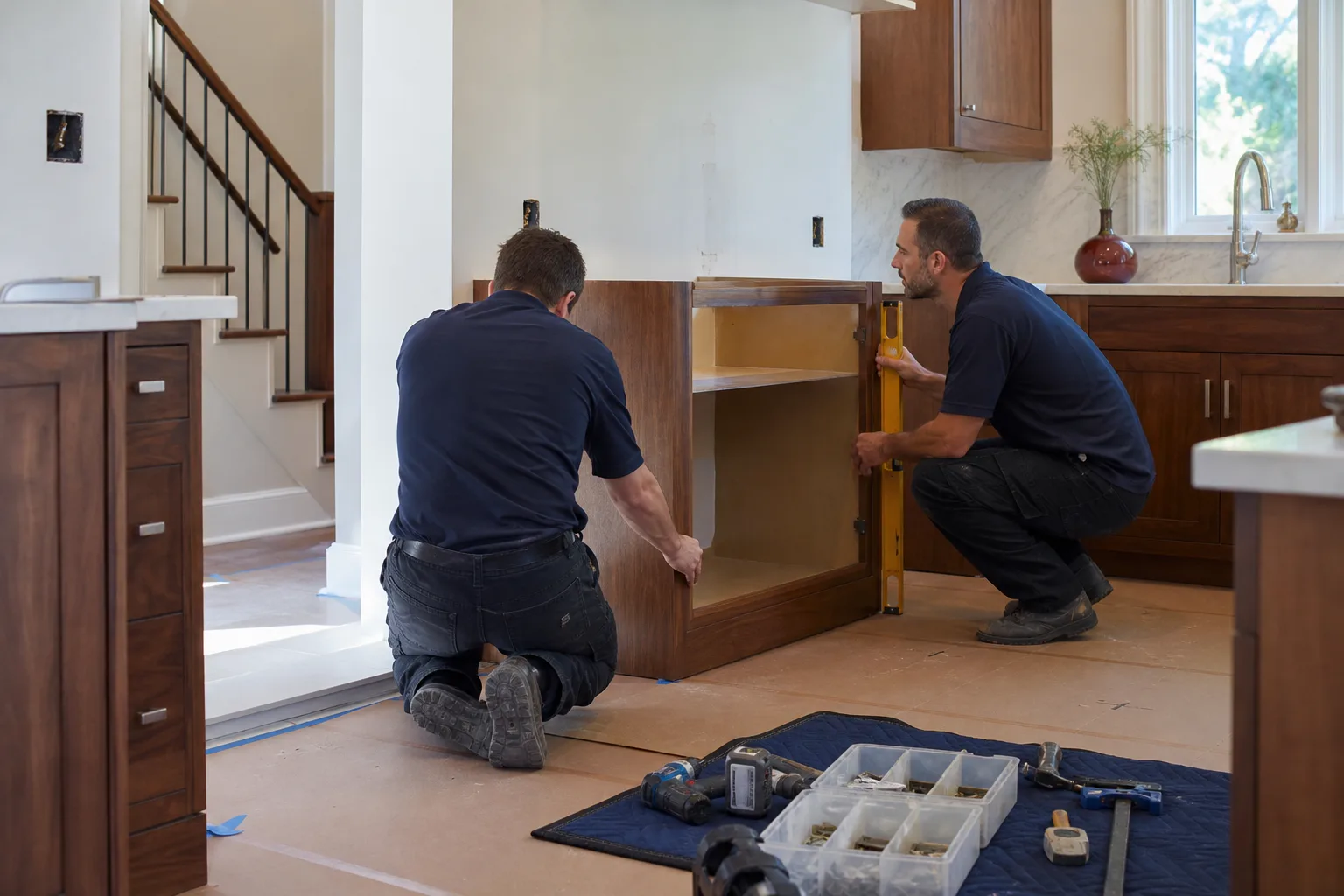
Silestone quartz is rated for 25+ years of residential use, and in Miami’s climate the main threats are UV exposure in unshaded sunroom additions and moisture at seams. Properly sealed and fabricated, a Silestone run in an ADU should outlast the cabinetry beneath it. Call (850) 988-7559 and we’ll assess what you have.
Hairline cracks can sometimes be filled with color-matched epoxy, but structural cracks radiating from a sink cutout or across a seam almost always spread. The repair is temporary. If the crack is through the full thickness of the slab, replacement is the only permanent fix. We’ll tell you which situation you have before anyone picks up a tool.
A straightforward garage conversion runs 6 – 10 weeks. A ground-up ADU runs 4 – 7 months, with Silestone fabrication scheduled in the final two weeks after cabinetry is set and field-measured. Weather in Miami can shift the framing phase, but the Silestone install itself is usually a one-day template and one-day install.
We don’t warehouse slabs, but we pull from Cosentino’s Miami distribution regularly, which means most current colors are available within a week. Discontinued colors are the wildcard. That’s why we check color availability before we bid your project, not after you’ve signed. Call (850) 988-7559 and we’ll check your exact color while you’re on the phone.
If you’re planning a home addition or ADU in Miami and want Silestone surfaces handled by a team that knows the material, call Penhallow Remodeling Miami at (850) 988-7559. We’ll schedule a walkthrough, give you a written price, and stand behind the work for a full year. That’s the deal, and it’s in writing before the first nail goes in.
Written by Trevor Nash, Owner, Penhallow Remodeling Miami at Penhallow Remodeling Miami, serving Miami and nearby areas.


