
Free written scope consultation - allowances, timeline, and change-order rules on paper before a single trade is scheduled
Toto Home Additions & ADU: The Miami Owner’s Guide
If you’re planning a home addition or ADU in Miami and want Toto fixtures and products specified into the build, we handle that from the first framing inspection to the final caulk bead. A home addition in Miami typically runs $53,100 to $153,400 installed, and an ADU starts around $106,200 depending on foundation work, plumbing rough-in, and whether you’re tying into existing sewer or running new lines. Most homeowners call us after they’ve realized their existing bathroom can’t handle a second living space, or they’ve already bought Toto fixtures and need a contractor who will actually install them to spec rather than improvising.
Here’s the reality: Toto makes excellent plumbing fixtures. We install Toto toilets, Toto washlets, and Toto tubs in additions and ADUs across Miami regularly. But the part that fails first in a new addition isn’t the Toto product. It’s the work around it. Bad rough-in measurements, improper venting, or a slab pour that wasn’t checked for level before the fixture set. That’s where the real money gets wasted in Miami additions, and it’s why we write the price down before anything gets ordered.
Which Toto Models This Applies To
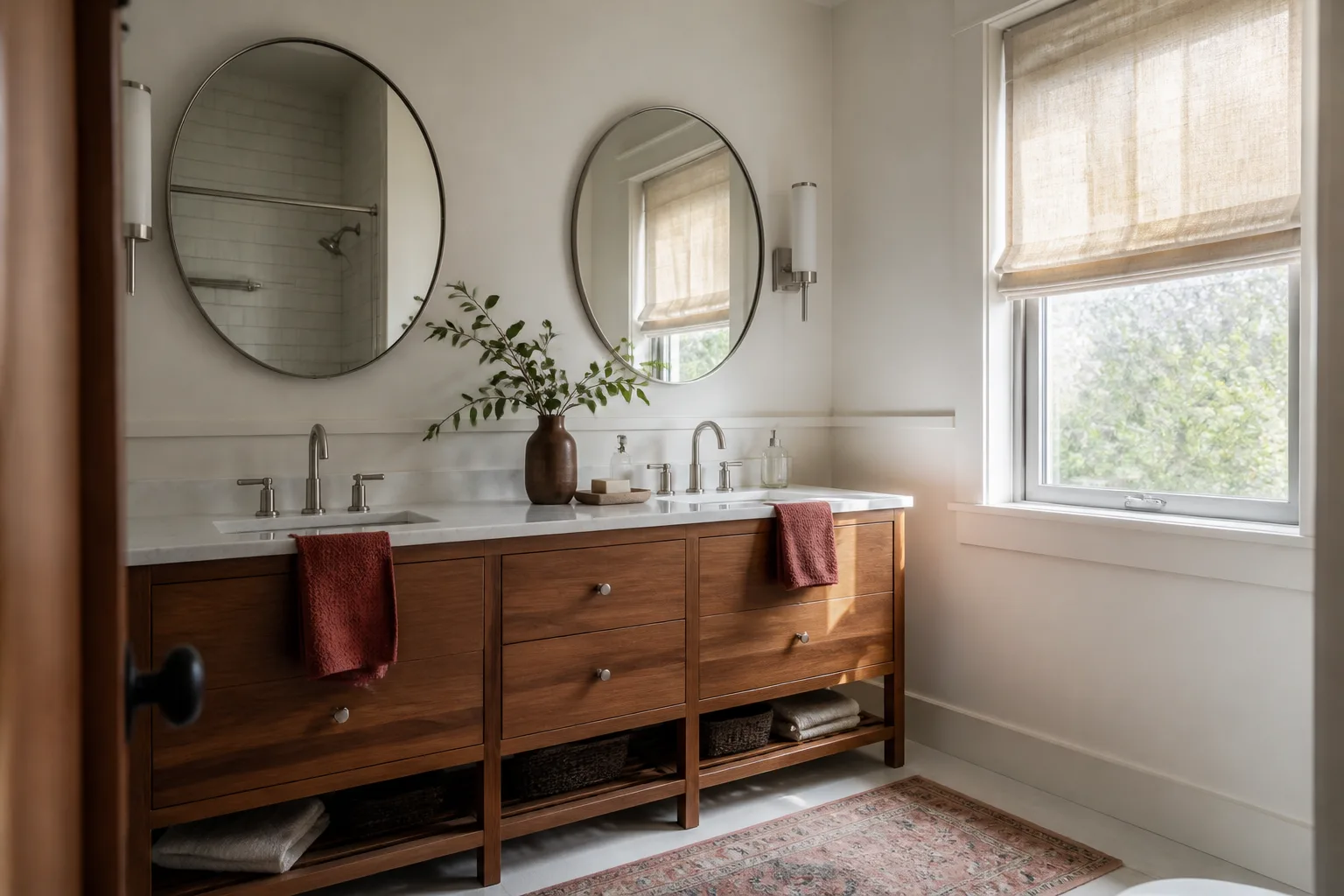
For a home addition or ADU, the Toto products most Miami homeowners specify fall into three groups:
- Toto Drake and Drake II toilets – the most common spec for ADU bathrooms because they’re reliable, widely available, and the parts are easy to source. The Drake II uses Toto’s Tornado Flush system; if you have an older Drake, make sure the rough-in measurement is 12 inches from the finished wall to the center of the waste flange. A lot of Miami additions get this wrong on paper and the toilet lands 1.5 inches off the wall.
- Toto Washlet seats (C200, C500, S550e) – these need a GFCI outlet within 3 feet of the toilet, on its own circuit if you’re running a heated seat and instant water heating simultaneously. We’ve had to open walls in Coconut Grove additions where the electrician roughed in a standard outlet on a shared circuit and the washlet tripped the breaker every morning.
- Toto tubs and lavatory bowls – Toto’s cast-iron and acrylic tubs are heavier than most homeowners expect. A Toto cast-iron soaking tub can weigh 180 to 300 pounds dry. That means floor joist spacing and subfloor thickness matter before the tub ever arrives. In older Miami homes getting an addition, we check joist span tables before we quote the job.
Penhallow Remodeling Miami is an independent contractor. We’re not affiliated with Toto, but we install their products often enough to know the compatibility quirks. For OEM Toto parts – fill valves, flush tower gaskets, washlet filters – we order through Toto’s trade supply network rather than gambling on aftermarket generics. For structural components in the addition itself – valves, P-traps, supply lines – we’ll use OEM or quality aftermarket equivalents where it doesn’t affect the Toto warranty. If you have a Toto product already sitting in a box or on order, bring us the model number stamped on the underside of the tank lid or the product label. That tells us what we’re working with before we write the quote.
Styles & brands we work with







Signs Your Toto Home Addition & ADU Is Failing
Sometimes the Toto fixture isn’t the failure. The addition around it is. Here’s what we see when a Miami addition or ADU was built sloppy the first time:
- Toilet rocks or shifts on the floor – the flange was set too high, too low, or the slab wasn’t leveled. A rocking toilet cracks the wax seal and leaks sewer gas and water into the subfloor. By the time you smell it in Miami’s humidity, the subfloor is already compromised.
- Washlet seat trips the GFCI or won’t heat – the original electrician undersized the circuit or buried a junction box behind the wall. Code requires an accessible outlet near the toilet for a reason. You can’t fix this without opening drywall.
- Sewer smell in the ADU bathroom or kitchenette – improper venting or a drain line with no P-trap. Miami’s flat grade and high water table make drain slope critical. A 2-inch drain line needs ¼ inch of fall per foot. Less than that and waste sits in the pipe.
- Water hammer whenever a Toto fill valve closes – high water pressure entering the addition with no pressure-reducing valve or insufficient air chambers. Miami municipal pressure runs high in some neighborhoods, around 60 to 80 PSI. Toto fill valves are rated for it, but the piping around it may not be.
- Floor feels soft near the tub or toilet – water has been wicking under the tile or vinyl because the pan liner wasn’t installed with the required slope, or the fixture seal failed months ago. In Miami’s climate, that moisture doesn’t dry out. It feeds mold and rots the joists.
None of these are Toto’s fault. They’re installation failures. And they’re exactly what we fix when we rebuild a Miami addition or ADU the right way.
See the difference
 Before
 After
After Before
 After
After Before
 After
AfterReplacement Cost & What’s Included
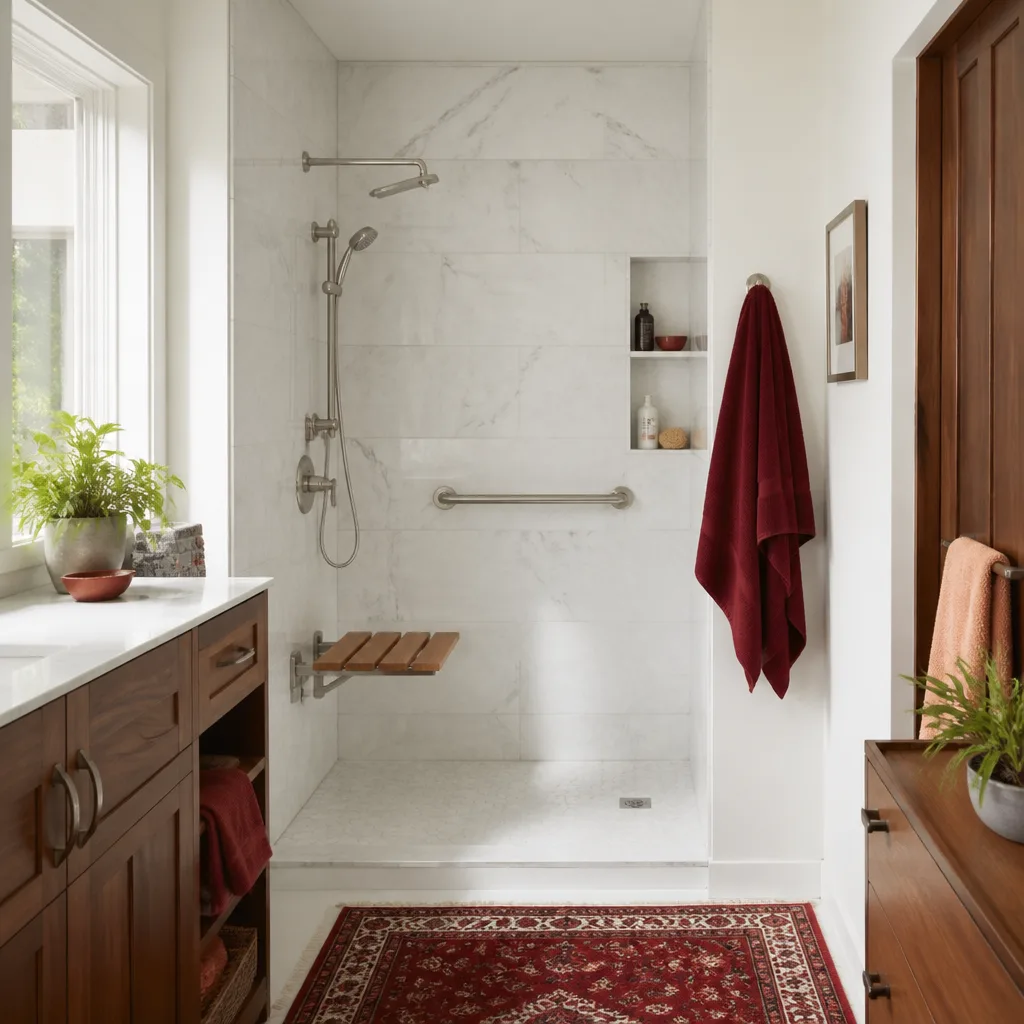
For a full home addition in Miami with Toto fixtures specified, plan on $53,100 to $153,400 depending on square footage, foundation type, and how much plumbing and electrical the space needs. A smaller ADU build runs $106,200 to $259,600 when you include permitting, foundation, utility connections, and finishes. If you’re just replacing a failed Toto component inside an existing addition – a washlet that died, a toilet that keeps running, a tub surround that’s leaking – that’s a different scope: expect $945 to $3,540 for a vanity-level fixture swap, and $5,310 to $14,160 if we’re opening walls or replacing a shower or tub surround.
What drives the number up on a Miami addition: soils work and pile depth near the coast, impact-rated openings, new electrical sub-panel, and upgrading the sewer line to handle the extra fixture count. What drives it down: a single-story build on a stable slab with a short plumbing run and an existing panel with spare capacity. We write the price before any work starts. Not a range, not a ballpark. A number you can hold us to. And every project carries the 365-Day Done Right Promise: if it’s not done right, we make it right. In writing, on every job.
DIY or Call Us?
There’s an honest line between what a Miami homeowner can check themselves and what needs a licensed contractor. You can check a Toto toilet for a failing fill valve by listening for constant hissing or checking the water level in the tank. You can inspect the caulk line around a Toto tub for gaps. You can reset a GFCI outlet feeding a washlet and see if it holds. Those are safe checks.
What you shouldn’t do is pull a toilet and attempt a flange repair without knowing what you’re looking at under it. Or open a wall to chase a wire if you’re not sure what’s inside. Or attempt any sewer or drain line work in Miami without a permit, because the city will catch it at resale inspection and the fix costs double. If you’re not sure, call a licensed contractor. This is the part of the job where Trevor Nash has spent three decades learning what not to do, and he’d rather tell you the truth than bill you twice. Call (850) 988-7559 and we’ll give you a number first, then pick up the tools.
FAQs
A Toto Drake toilet will last 20 to 30 years with routine fill valve and flapper replacement every 4 to 6 years. A Toto washlet seat runs 5 to 10 years in Miami’s humidity before the heating element or pump typically fails. The addition structure itself should last decades if the plumbing and moisture barriers were done correctly the first time. Call (850) 988-7559 if you want us to inspect what you have before you spend on a rebuild.
Yes, in most cases. Fill valves, flush tower gaskets, washlet filters, and supply lines are all replaceable parts. We stock common Toto repair components on the truck for Miami calls – Drake fill valves, universal flappers, washlet filters, and bowl gaskets. If the porcelain is cracked or the washlet circuit board is fried, replacement makes more sense than repair. We’ll tell you which before you spend a dollar.
A bathroom addition inside an existing Miami home takes 3 to 6 weeks from permit to punch list. A full ADU with its own kitchenette and bath runs 4 to 8 months including foundation, utility hookups, and inspections. The Toto fixture installation itself is usually a one-day job. The work framing, plumbing, and tiling around it is what takes the time, and our written quote breaks that out line by line so you know exactly where the weeks are going.
We stock the most common Toto fill valves, flush tower gaskets, washlet inlet filters, and bowl-to-flange gaskets on our trucks serving Miami. For less common Toto part numbers, we order through Toto’s trade network and typically have them in hand within a few business days. We also work with other trade brands in the same projects – KraftMaid and Wellborn cabinetry, Cambria and Silestone countertops – so your addition is protected by warranties that stack with ours. Call (850) 988-7559 for a free estimate and we’ll confirm the part before we schedule.
Written by Trevor Nash, Owner, Penhallow Remodeling Miami at Penhallow Remodeling Miami, serving Miami and nearby areas.


